TECHNIQUE
Indirect-fire kamado recipes
Indirect fire is the mode in which the kamado becomes a ceramic oven: deflector in place, vents half closed and the temperature pinned between 150 and 200 °C for hours. It's the technique that respects the moisture of a whole chicken, holds the crust of a rustic loaf and lets a rack of ribs cook without drying out. In this section we publish the recipes we use most on our terrace in Torrevieja during the long Costa Blanca autumn, when the kamado stays lit all afternoon and the result depends more on patience than on flame.
44 recipes published
Indirect cooking on a kamado puts the ceramic deflector between the coals and the grate, so the fire never sees the food. The kamado works as a convection oven: surrounding heat between 150 and 200 °C, with the bottom vent partly open and the top vent set a quarter to half a turn open.
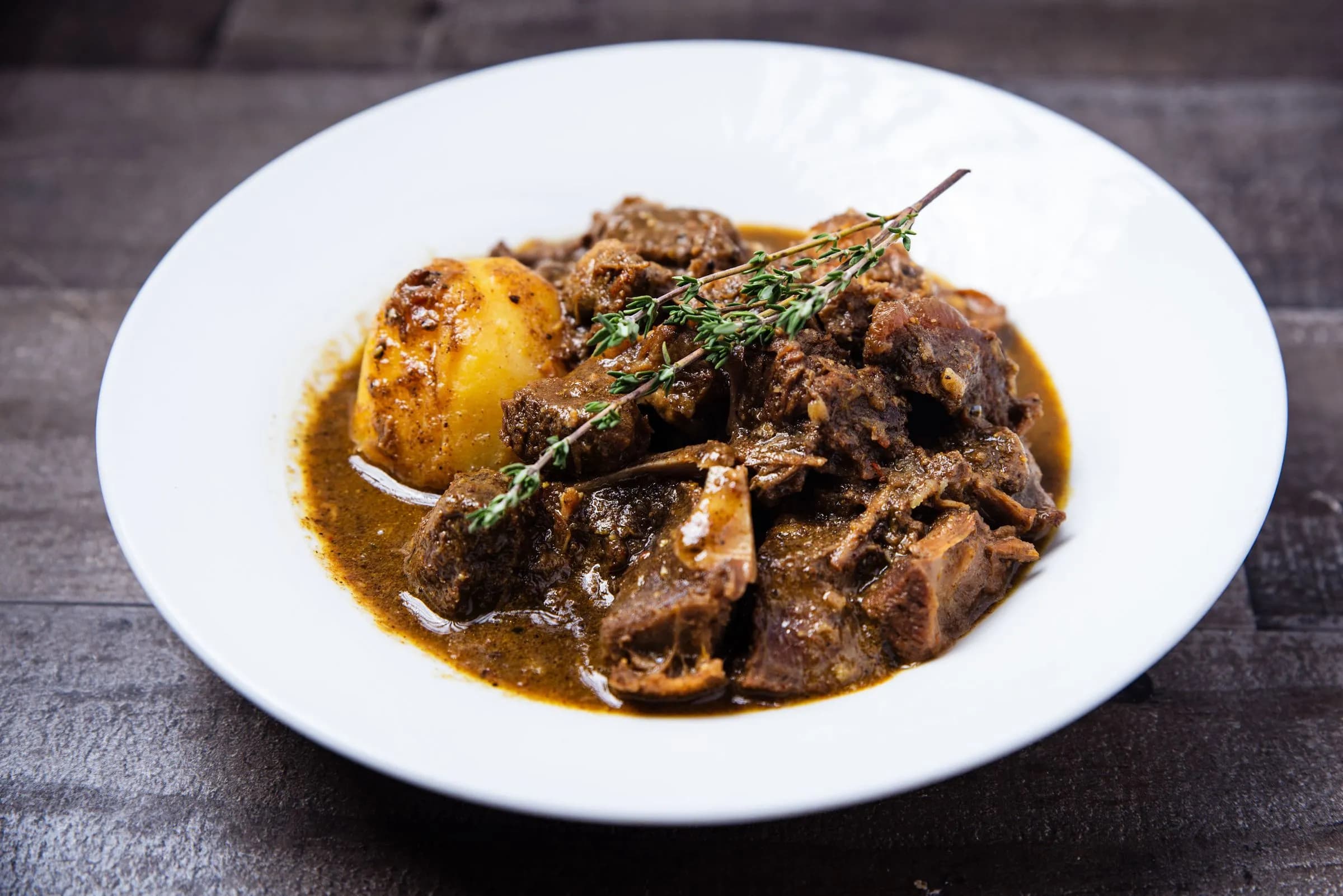
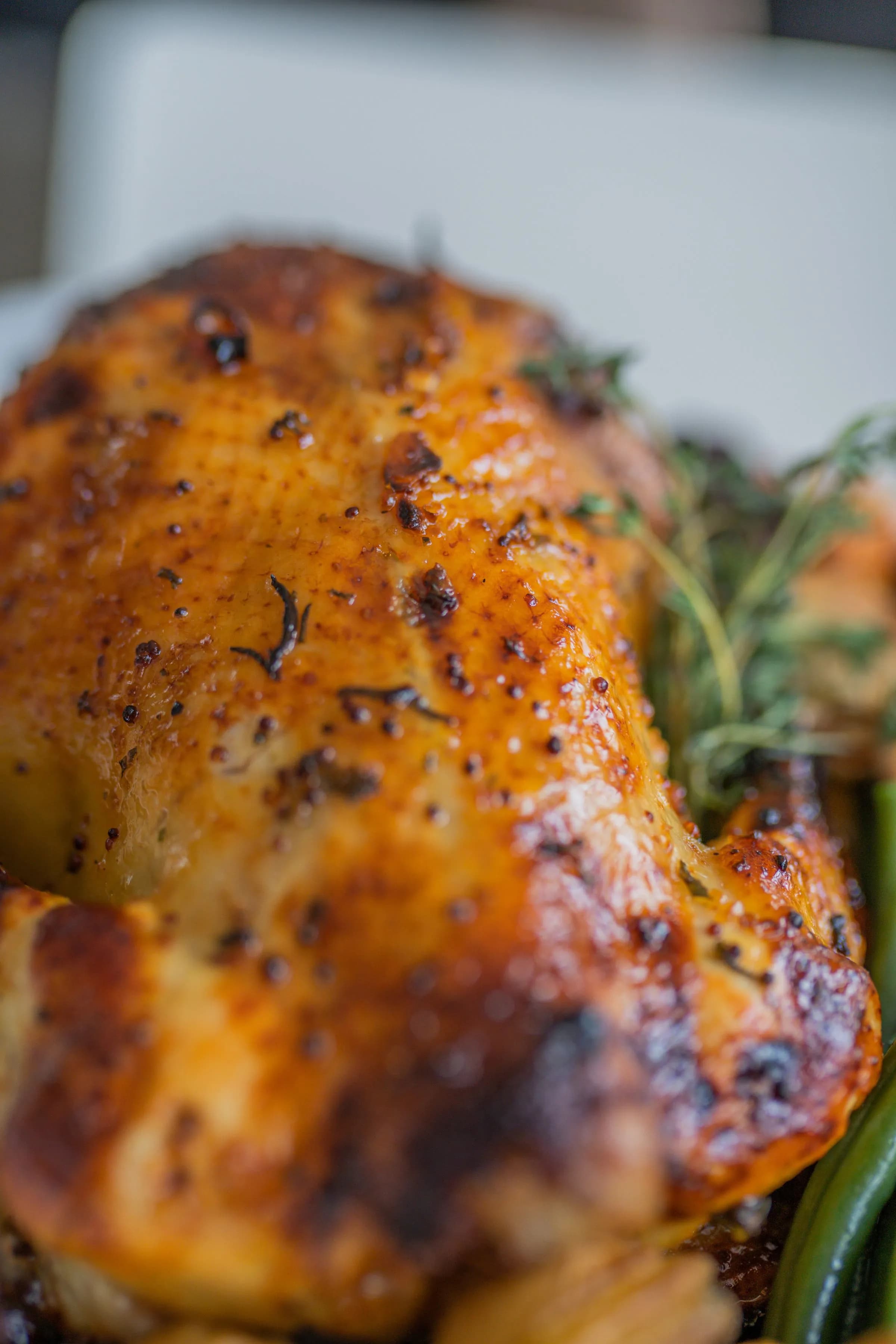
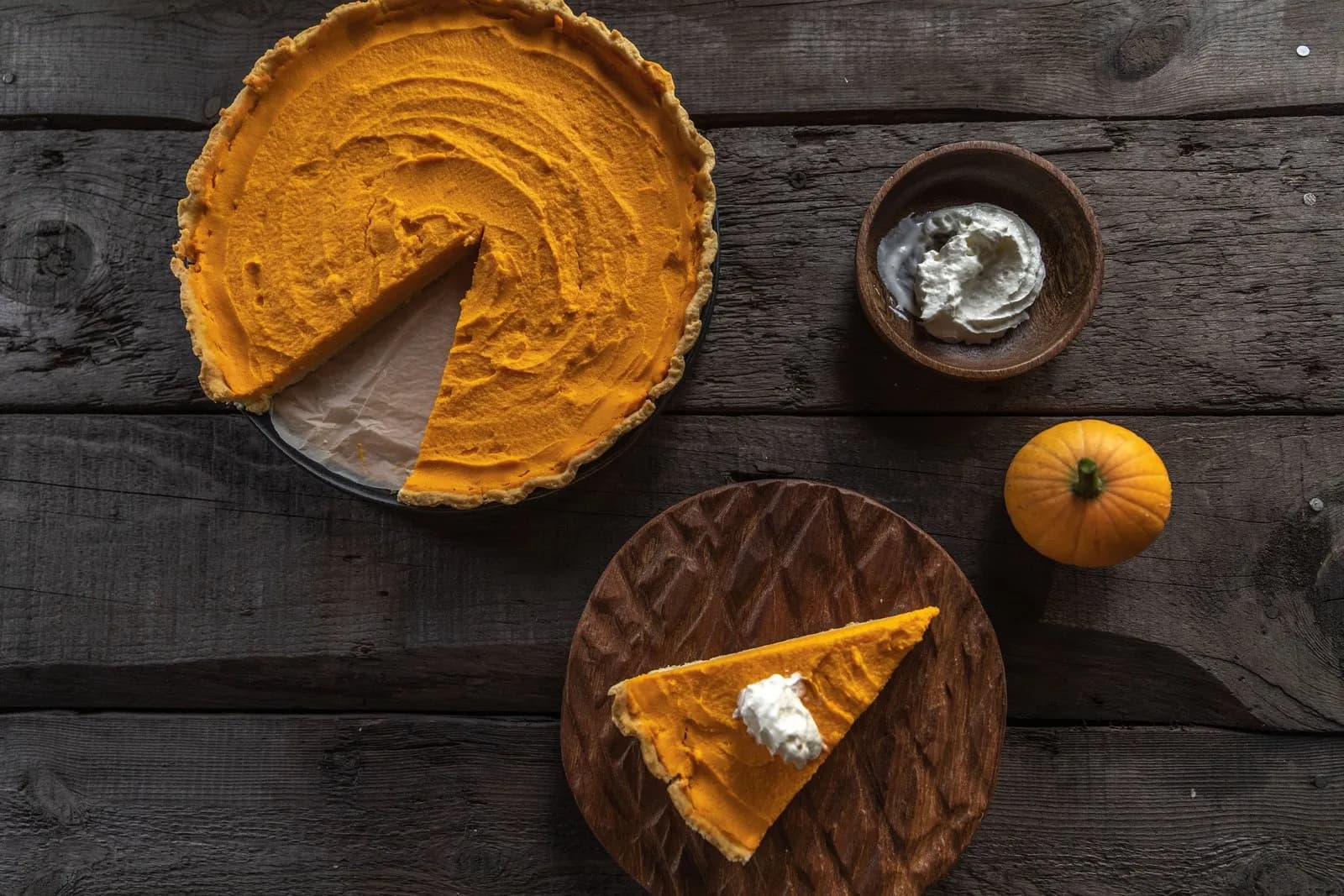
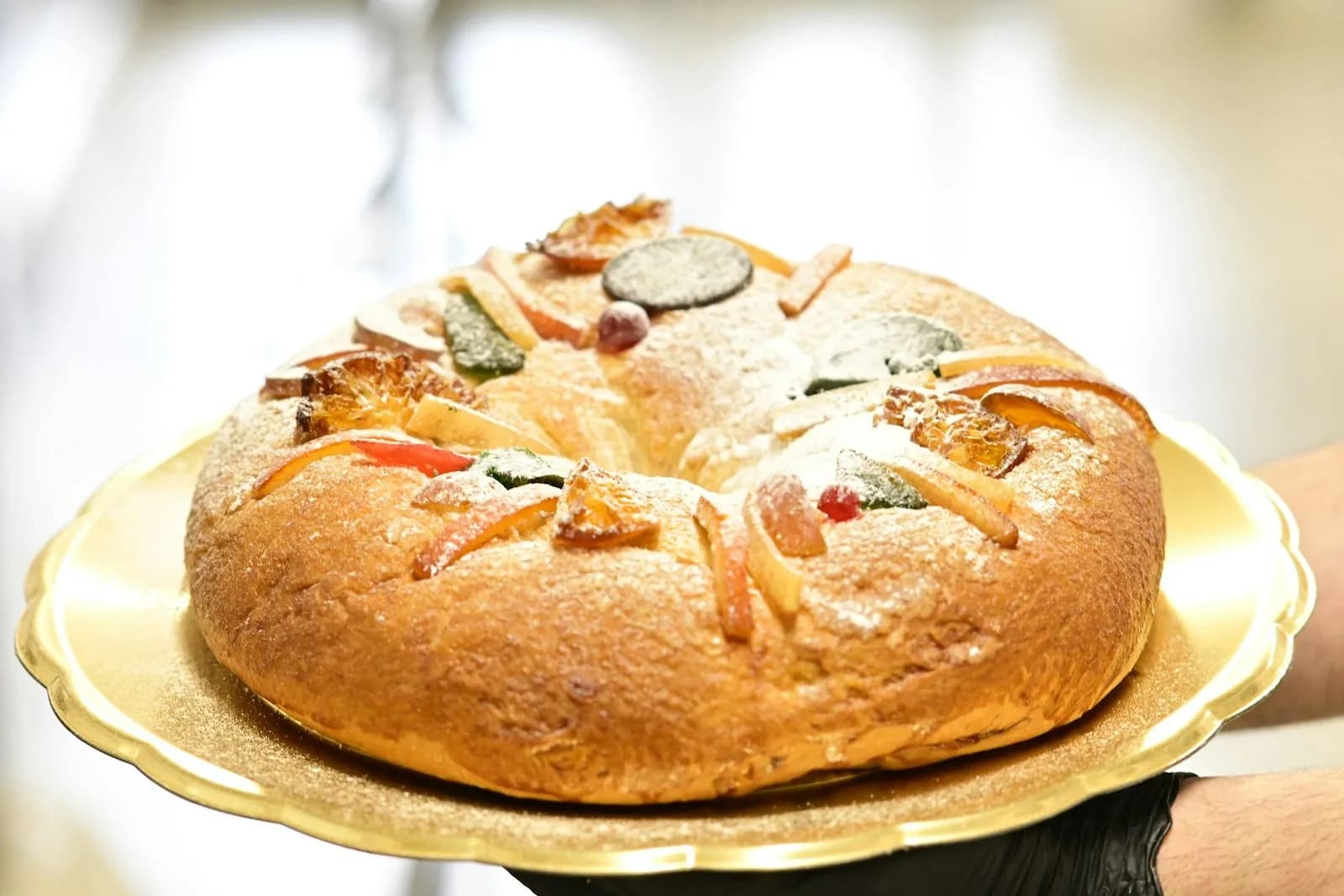
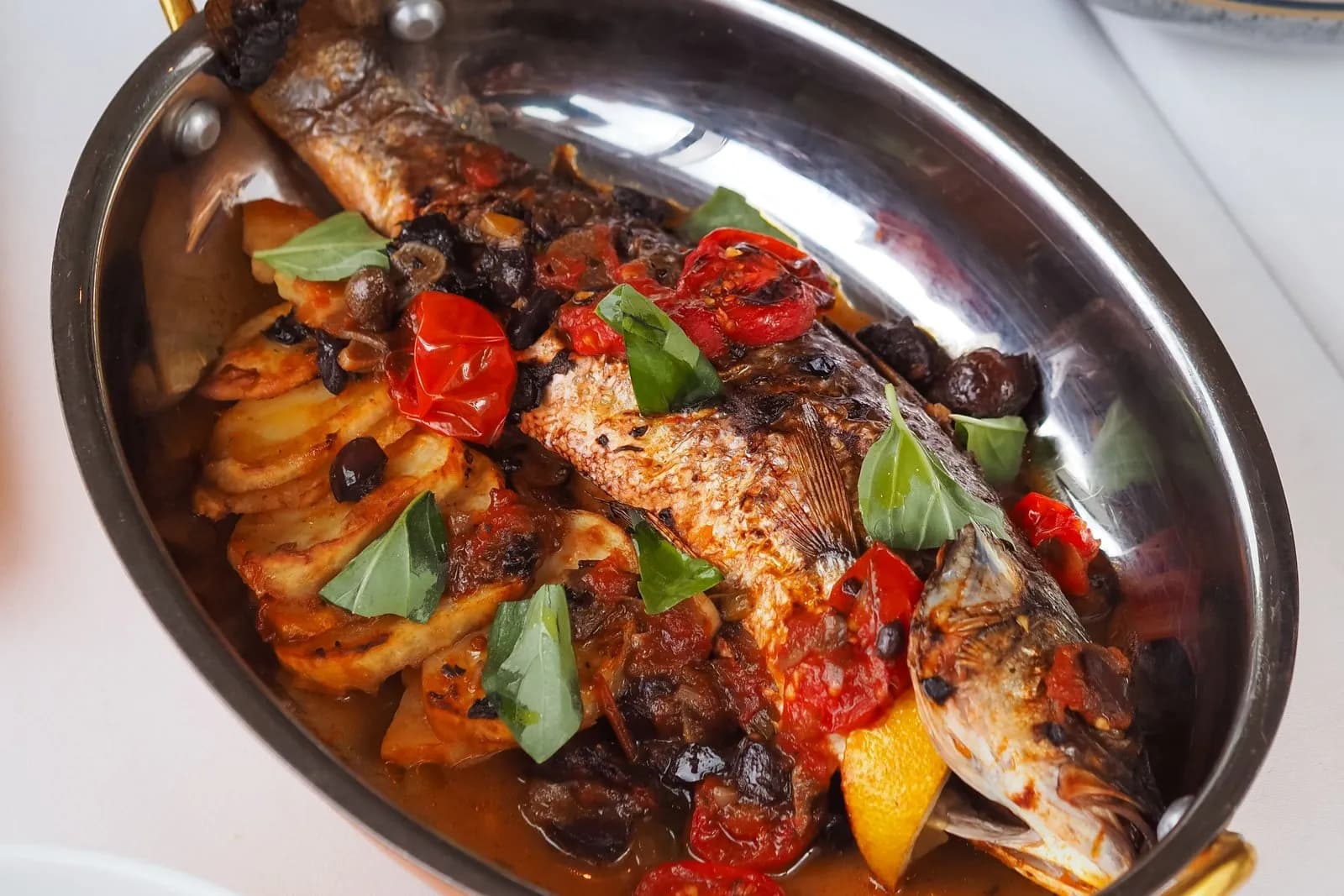
It's the method for anything that spends more than twenty minutes on the fire and needs to cook through without burning. The spatchcock chicken comes out with even skin; the red-wine pork cheeks braise in a cocotte for hours; the salt-baked sea bass stays juicy; the Alicante oven rice cooks in a clay dish as in a wood oven; and breads and desserts such as pan de cristal or Basque burnt cheesecake thrive on that steady heat.
On our terrace in Torrevieja the mistake we see most is overshooting the temperature and then chasing it. Ceramic stores heat and is slow to cool: if you drift from 180 °C to 230 °C, you won't get back within half an hour. Close the vents about 25 °C before your target and let the chamber settle for ten minutes before the food goes in. Set-up and numbers are in direct vs indirect cooking.