Recipe · Indirect · Medium
Whole spatchcock chicken on the kamado, even crispy skin
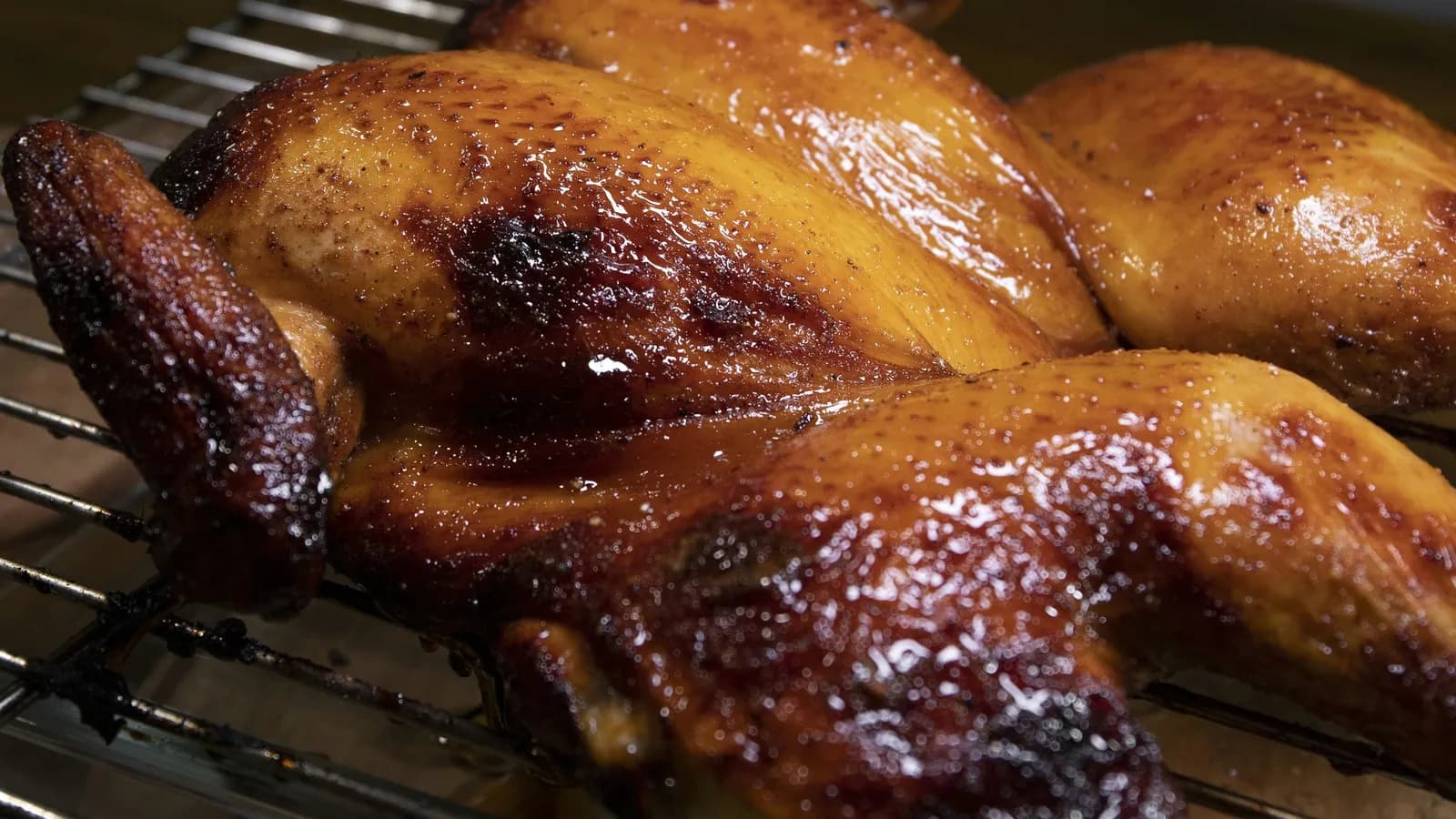
A 1.6 kg chicken butterflied flat, roasted at 180°C indirect over a deflector. Golden crackling skin end to end, juicy meat, ready in an hour: the Sunday roast I actually cook on my Torrevieja terrace.
Season:All year
Quick answer
Spatchcock chicken on the kamado roasts butterflied open at 180 °C indirect with a deflector, 55 to 65 minutes. Pull it when the breast reads 74 °C and the thigh 82 °C internal. Drying the skin with a dry-salt rub the night before is what makes it crisp. Rest it for 10 minutes uncovered so the skin doesn't soften.
One big step at a time, screen kept on and built-in timers.
- Prep
- 20 min
- Cook
- 60 min
- Servings
- 4 servings
- Temperature
- 180 °C
What time do you want to eat?
Pick a time and we'll tell you when to start.
12:00
Start the prep
12:20
Light the kamado
12:50
Onto the kamado
14:00
Serve
Estimate: it includes lighting and settling the kamado plus a margin for large cuts. If the recipe asks you to marinate or salt ahead, add that time.
Fire setupIndirect
- Dome
- 180 °C
- Deflector
- Yes
- Grate
- Standard height
- Bottom vent
- Half open
- Top vent
- A crack
- Fuel
- Charcoal
- Wood
- One apple or cherry wood chunk (optional)
- Setup
- Deflector
Temperature curve
1:52 h from lighting
Kamado domeInside the meat (probe)
| # | From | Phase | Dome | Internal |
|---|---|---|---|---|
| 1 | 0:00 | Light the charcoalDeflector with the grate on top, bottom vent half, top a quarter | 20 → 180 °C | no probe |
| 2 | 0:30 | StabiliseHold 10 min steady; apple chunk if smoking | 180 °C | no probe |
| 3 | 0:40 | Put the food inSkin up, probe in the breast away from bone, lid shut | 180 → 160 °C | 18 °C |
| 4 | 0:42 | Cook55-65 min; breast 74 °C and thigh 82 °C | 160 → 180 °C | 18 → 74 °C |
| 5 | 1:42 | Rest10 min uncovered so the skin stays crisp | 180 → 120 °C | 74 → 76 °C |
| 6 | 1:52 | Serve | off | no probe |
0:00 is the moment you light the charcoal. Internal temperatures are the ones the recipe gives; without a probe, go by the times. Turn these times into clock times with the planner
For this recipe
Ingredients
- whole free-range chicken, 1.5-1.7 kg1
- coarse kosher salt (not fine)1 tbsp
- freshly ground black pepper1 tsp
- sweet Pimentón de la Vera (smoked paprika)1 tsp
- extra-virgin olive oil2 tbsp
- garlic cloves, crushed (skin on)4 cloves
- lemon (half to roast, half to serve)1
- fresh thyme sprigs4 sprigs
- flaky sea salt, Maldon-style (to finish)1 pinch
Another cut
Got a different cut? Here is how the recipe changes
For 4 people the recipe uses 1.8 kg of whole chicken: indirect at 190 °C, 1 h 30 min plus 15 min rest. If the shop had something else:
- Cornish hen (picantón)Buy 1.8 kg (4 pieces)
- Fire
- Indirect · 190 °C
- Time
- 50 min
- Rest
- 10 min
Light 45 min later
Same recipe, scaled down. Indirect at 190 °C, just like the chicken; pull at 74 °C in the breast and 77-79 °C in the thigh. One per person.
- Chicken thighs and drumsticksBuy 1.75 kg
- Fire
- Indirect · 180 °C
- Time
- 50 min
- Rest
- 5 min
Light 50 min later
Just the juicy part, and a single probe target: 77-79 °C in the meat, clear of the bone. A slightly cooler dome at 180 °C, skin side up.
- Bone-in turkey breastBuy 1.5 kg
- Fire
- Indirect · 165 °C
- Time
- 1 h 15 min
- Rest
- 20 min
Light 10 min later
Turkey instead of chicken, breast only. Drop the dome to 165 °C and probe the thickest part, clear of the bone: off at 74 °C, as lean meat dries out fast.
- Whole duckBuy 2.4 kg
- Fire
- Indirect · 180 °C
- Time
- 2 h 24 min
- Rest
- 20 min
Light 1 h 20 min earlier
Fattier: prick the skin. Indirect at 180 °C with a drip tray below for the fat; pull at 74 °C in the breast and 82 °C where the leg meets the body.
Times are a guide, based on the How much to buy figures; follow the recipe first. Full fire plan for 4 people: Cornish hen (picantón), Chicken thighs and drumsticks, Bone-in turkey breast, Whole duck.
Allergens
None of the 14 mandatory-declaration allergens in the ingredients.
Based on the recipe's ingredients. Always check the label of every product you buy.
The gear for this recipe
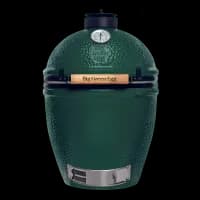 Big Green Egg LargeThe Large has grate space to spare for the spatchcocked chicken at 180 °C indirect.
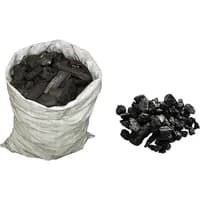 Orework Spanish Holm Oak Charcoal 15 kgHolm oak charcoal for a clean, steady hour at 180 °C.
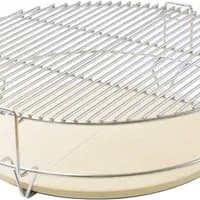 Onlyfire GCG-8552 Cooking System (2 grates + rack + 2 deflectors) for Large Kamado
Method
- 01
Remove the backbone
Lay the chicken breast-side down. With sturdy kitchen shears, cut along one side of the backbone, from tail to neck, then down the other side. Lift the whole backbone out (keep it for stock). It is the only technical part of the recipe and takes two minutes.
- 02
Flatten the butterfly
Flip the chicken skin-side up and open both halves. Place your palm on the centre of the breast and press down firmly until you hear the breastbone give and the bird lies flat. Genuinely flat: if it stays domed, thigh and breast will cook at different rates again.
- 03
Dry-salt and dry the skin
Pat the chicken dry on both sides. Season with coarse kosher salt all over: skin, back and crevices. Leave it uncovered on a rack for at least 1 hour at room temperature, better overnight in the fridge. The salt seasons deep and the skin dehydrates: that drying is what makes it crisp when it roasts.
- 04
Set deflector and stabilise 180°C
Light the charcoal, set the deflector and the grate on top. Stabilise the kamado at 180°C with the bottom damper half open and the top vent a quarter. Wait until the temperature holds steady for 10 minutes. If you are smoking, add an apple or cherry chunk over the coals now.
- 05
Dress and load skin up
Brush the chicken with olive oil, pepper and paprika. Tuck the crushed garlic, thyme and half lemon underneath. Lay the chicken on the grate skin side up and spread flat. Sink the probe into the thickest part of the breast, avoiding bone. Close the lid and leave it shut.
- 06
Roast at indirect heat
Cook without touching the chicken. At 180°C indirect it takes 55 to 65 minutes. Pull when the breast reads 74°C internal and the thigh, at its thickest by the bone, reaches 82°C. If the skin browns too early, close the vents a notch; you never need to flip anything.
- 07
Rest and carve
Move the chicken to a board and let it rest 10 minutes uncovered (covering it softens the skin). Carve by separating thighs and drumsticks, then cut each breast off the sternum and into thick slices. Finish with Maldon flakes, the roasted lemon squeezed over and the fresh half in wedges.
About this recipe
Spatchcock (a whole chicken butterflied flat with the backbone removed) is the best way I know to roast a whole bird on the kamado without fighting raw thighs and dry breast. Flattening the bird puts all the meat at the same height over the coals: it cooks faster and far more evenly, and the whole skin is exposed to brown uniformly. At 180°C indirect over a deflector, a 1.6 kg chicken is done in about 55-65 minutes.
Why butterflying changes everything
A whole un-spatchcocked bird is a geometry problem: the breast is done at 74°C while the thigh, denser and next to the bone, is still at 65°C. Wait for the thigh and the breast dries out. Spatchcock fixes it by flattening the bird: snip out the backbone with kitchen shears, open the chicken like a book and press on the breastbone until it lies flat. Now breast and thighs take heat at the same time, the bird loses a couple of centimetres of height and hot air circulates underneath. Dry-salt generously an hour ahead (or overnight, uncovered in the fridge) to season deep and dry the skin.
Indirect heat, deflector and vent control
This is always indirect: deflector in, grate above it. A whole chicken drips far too much fat to run direct without charring the skin and triggering flare-ups. Stabilise the kamado at 180°C with the bottom damper half open and the top vent a quarter; at that temperature the skin dehydrates and browns slowly while the subcutaneous fat renders. Lay the bird skin side up and never flip it: the skin faces the hot dome the whole time. A probe in the thickest part of the breast takes the guesswork out.
In 30 seconds
Snip out the backbone and flatten the bird (butterfly). Dry-salt 1h ahead, skin nice and dry. Kamado 180°C indirect with deflector. Chicken skin up, no flipping. Pull when the breast reads 74°C and the thigh 82°C (~55-65 min). Rest 10 min before carving. Serves 4, even crispy skin.
Will it fit your kamado?
Small
33-40 cm · Joe Jr, MiniMax
Tight
Opened out it measures about 30-35 cm: probably tight; a ~1.2 kg chicken fits more easily.
Medium
46-51 cm · Classic, Large
Fits
One spatchcocked chicken fits; two would probably be tight.
Large
56-61 cm · Big Joe, XL
Fits
Probably two spatchcocked chickens fit.
What to serve with it
- Wine
- Barrel-fermented Rioja white or Campo de Borja Garnacha
- Beer
- Lager or pale ale
- Alcohol-free
- Rosemary lemonade
Leftovers and storage
- In the fridge
- Carved and airtight, in the fridge within 2 hours: 3-4 days.
- Freezing
- Boned and portioned, 2-3 months. Thaw in the fridge; do not refreeze.
- Reheating
- Low oven, covered with a little stock, to 74 °C in the centre; uncover at the end for the skin.
- Using them up
- Croquettes or a pulled chicken sandwich; simmer the bones and backbone for stock.
Cool and refrigerate within 2 hours. When in doubt, throw it out.
Leftover embers
You still have embers: what to do with the leftover heat
For 1 h at 180 °C in a classic kamado you load about 800 g of charcoal and burn 400 g: when you serve, about 380 g of live embers remain. Before you shut the vents, that is still enough for:
Without touching the vents
180 °Cdessert while you eat
1 h 20 minof embers
- Chestnuts and Sweet Potato Roasted in the Kamado Embers45 min · 180 °C
- Cornbread in an Iron Skillet on the Kamado, with Brown Butter45 min · 200 °C
- Whole roasted cauliflower on the kamado with saffron aioli1 h · 180 °C
No recipe needed
- Yesterday's bread with oil and garlic, on the grate (10 min)
- Corn cobs in their husks (30 min)
- Whole apples with a slit in the skin (45 min)
Closing the vents almost fully and waiting for it to drop
100-130 °Ca short smoke
2 h 25 minof embers
- Hot-Smoked Whole Mackerel on the Kamado45 min · 120 °C
No recipe needed
- Coarse salt on a tray, with a wood chunk: smoked salt for months (1-2 h)
- Almonds or walnuts on a rack (45 min)
- Whole heads of garlic, for spreading (1 h)
Opening the vents almost fully
210-270 °Cgrilled vegetables
30 minof embers
- Grilled Corn Mexican Elote Style on the Kamado15 min · 230 °C
- Rum-glazed grilled pineapple on the kamado14 min · 220 °C
- Bacon-Wrapped Dates on the Grill14 min · 210 °C
No recipe needed
- Strips of courgette and aubergine, char-marked (5 min)
- Pita or naan from shop dough, on the grate (3 min each)
- Halved tomatoes, cut side down, for a sauce (10 min)
Before opening the lid, crack it open for a few seconds first; if you raise the heat, stir the ash so the coals can breathe. And if you are not going to use them: once the food is out, close the bottom and top vents. The charcoal that does not burn (about 380 g) can be used next time. Different size of kamado? Work out your load for 1 h 30 min of fire, lighting included.
Editor's tips
- Drying the skin matters more than any last-minute trick. Salting it uncovered in the fridge overnight is what separates genuinely crackling skin from a leathery one. If you are pressed for time, at least 1 hour at room temperature and a thorough pat-down with paper before loading.
- Probe in two places, not one. The breast rules at 74°C, but the thigh needs 82°C for the collagen to soften so it is not rubbery by the bone. A two-channel probe (or an instant-read you stick in both spots) makes sure neither place comes up short.
- Don't bin the backbone: with the carcass, leftover garlic and lemon you have a homemade chicken stock in an hour. On the kamado it even picks up a smoky note you won't get from the kitchen hob.
Gear for this recipe
As an Amazon Associate, mikamado.es earns from qualifying purchases. At no extra cost to you.
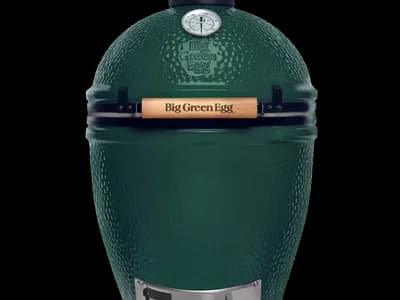
Big Green Egg Large
The Large has grate space to spare for the spatchcocked chicken at 180 °C indirect.
€2,099
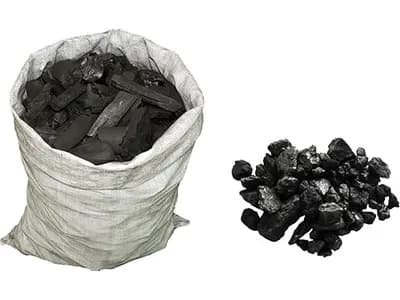
Orework Spanish Holm Oak Charcoal 15 kg
Holm oak charcoal for a clean, steady hour at 180 °C.
€45
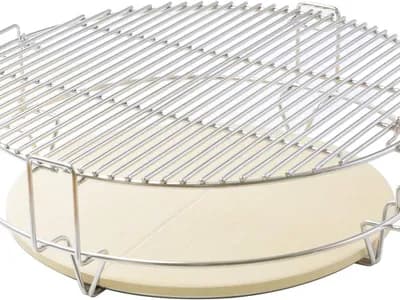
Onlyfire GCG-8552 Cooking System (2 grates + rack + 2 deflectors) for Large Kamado
€95
Have you made it?
Tell us how it turned out on your kamado. We review every rating before publishing it.
No published ratings yet. Be the first!
FAQ
How do I butterfly a chicken by removing the backbone?
Lay the chicken breast-side down. With sturdy kitchen shears, cut along one side of the backbone, from tail to neck, then down the other side; lift the whole backbone out. Flip it over, open it like a book and press your palm on the breastbone until it gives and lies flat. Keep the backbone for stock. A boning knife works too, but shears are safer and faster.
Why does spatchcock cook faster and more evenly?
Because it removes height. A trussed bird is a thick mass whose centre takes ages to reach temperature, so the surface overcooks waiting for it. Butterflied flat, all the meat sits at a similar height over the coals while hot air circulates underneath too: breast and thighs reach their target almost together, and the skin, now fully exposed, browns evenly instead of staying pale in the folds. You cut total time by roughly 25-30% versus a closed bird.
At what internal temperature is the chicken done, and where do you measure?
Food safety calls for 74°C at the coldest spot, which on a chicken is the thickest part of the breast: that is where you sink the probe, avoiding bone. The thigh, richer in collagen, is better a touch higher, 80-82°C by the bone; that is why you measure both. Pull when the breast reads 74°C, as the rest still carries it up a couple of degrees. An instant-read or two-channel probe makes this trivial.
Direct or indirect for crispy skin that doesn't burn?
Indirect, with a deflector, no debate. A whole chicken renders a lot of fat, and over direct heat it drips onto the coals, flares up and chars the skin before the meat is done. With the deflector in at 180°C, the skin dehydrates and browns gradually while the subcutaneous fat renders slowly: that is the real crackling mechanism. Even browning comes not from direct heat but from drying the skin well with the dry salt and holding a steady temperature. For extra colour, open the vents for the last 5 minutes.
Do I need smoking chunks, or is it better with charcoal alone?
Good lump charcoal alone already gives you a complete roast: the chicken picks up a gentle live-fire backbone the oven can't, and the lemon, garlic and thyme carry the aroma. For a layer of smoke, go mild: a single apple or cherry chunk is enough. Avoid mesquite or hickory with chicken, too aggressive for such delicate meat and they turn it bitter. My everyday version is charcoal only; the apple chunk I save for guests.
Can I make this recipe with a different cut instead of whole chicken?
Cornish hen and chicken thighs keep the same indirect heat; turkey breast needs a lower dome and duck needs pricked skin and a drip tray. In every case the probe decides: 74 °C in the breast and more in the thigh.
What do I do with the embers left after making Whole spatchcock chicken on the kamado, even crispy skin?
After 1 h at 180 °C in a classic kamado about 380 g of live embers remain: 1 h 20 min more at 180 °C without touching the vents, 2 h 25 min at 100-130 °C closing the vents or 30 min at 210-270 °C opening the vents. If you are not going to use them, close both vents and keep the charcoal for next time.
More kamado recipes
KEEP READING
Go deeper on this dish
- Recommended kamado
Big Green Egg Large
The Large has grate space to spare for the spatchcocked chicken at 180 °C indirect.
- Editorial guide
How to light a kamado: the step-by-step method
No petrol, no weird tablets and no 45-minute waits. The cone method, airflow control and the mistakes that prevent 80% of the frustration.
- Glossary term
Heat deflector
Ceramic plate placed between the coals and the grate to turn direct fire into indirect cooking.
- Related comparison
big green egg large vs kamado joe classic iii
The classic kamado matchup: the Big Green Egg Large, the indestructible pioneer with the widest accessory network, agai…