Recipe · Indirect · Medium
Valencian coca de recapte on the kamado, escalivada and sardine
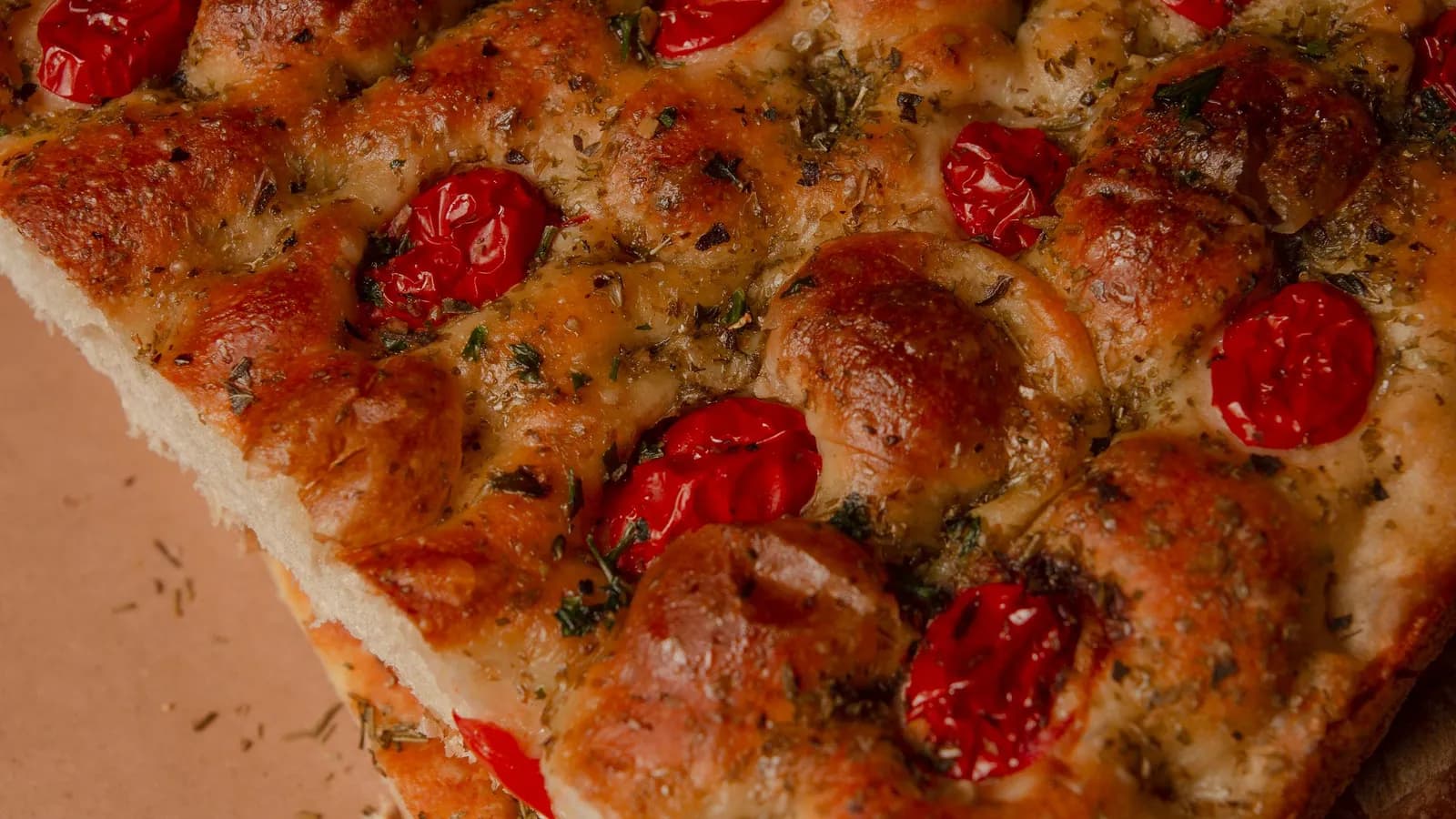
A thin oil-dough savoury coca topped with red-pepper and aubergine escalivada and salted sardine strips. Indirect at 250°C on stone, crisp base. No cheese, the Levante way. Serves 6.
Quick answer
Coca de recapte bakes on the kamado with a deflector and stone at 250°C indirect. Roast pepper and aubergine for the escalivada, drain it well, dress the thin oil dough with the vegetables and salted sardine, no cheese, and bake 18-25 minutes until the base is golden and crisp.
- Prep
- 30 min
- Cook
- 25 min
- Servings
- 6 servings
- Temperature
- 250 °C
Ingredients
- medium-strength bread flour (or a mix of bread and plain flour)300 g
- extra-virgin olive oil (+ extra to dress and brush)60 ml
- warm water160 ml
- fresh yeast (or 1 g dry)3 g
- large red peppers (for the escalivada)2 ud
- large aubergine (for the escalivada)1 ud
- salted sardines or anchovy fillets8 ud
- garlic clove (for the escalivada, optional)1 diente
- sweet Vera paprika (optional, for the dressing)1 cdita
- chopped fresh parsley (to finish)1 puñado
- salt (for the dough and the escalivada)1 pizca
- fine semolina or flour (for the peel, so the coca slides)1 puñado

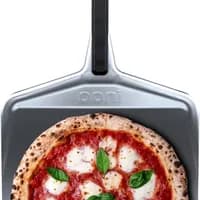
Method
- 01
Roast the vegetables direct for the escalivada
Set the red peppers and the aubergine whole on the grate over direct, fierce heat, and keep turning them until the skin blackens all over and the flesh yields when pressed, about 20-30 minutes. The charred skin is what gives escalivada its smoky sweetness, so don't be shy about letting it scorch. Move them to a bowl and cover.
- 02
Peel, cut into strips and drain
Let the vegetables sweat covered for 10-15 minutes: the steam loosens the skin. Peel them, seed the pepper and cut everything into strips lengthways. This is key: put the strips in a sieve with a pinch of salt and let them drain well, because a watery escalivada softens the coca's base. Dress it with EVOO and, if you like, a little crushed garlic.
- 03
Knead the thin oil dough and rest
Dissolve the yeast in the warm water. Mix the flour with a pinch of salt, add the water and the EVOO and knead for five minutes into a smooth, slightly greasy dough; it carries more oil than pizza dough, so it stays brittle, not airy. Cover it and rest 30 minutes at room temperature, just so it relaxes and rolls out without shrinking.
- 04
Set deflector and stone, stabilise 250°C
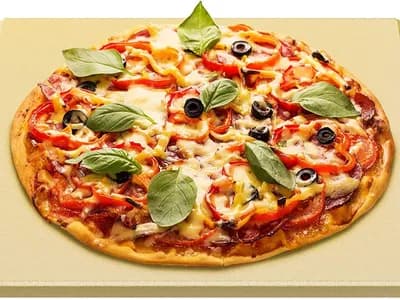
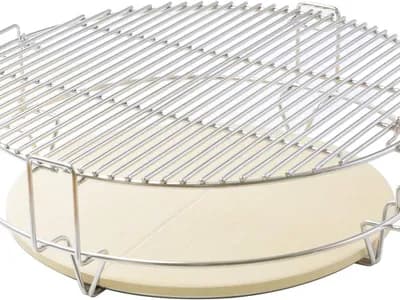
Place the deflector and, on top, the cordierite stone, and stabilise the kamado at 250°C indirect with a reliable probe, not the dome thermometer. Let the stone heat for at least 30-40 minutes: a genuinely hot stone is what bakes and dries the base from below from the first minute and leaves it crisp.
- 05
Roll paper-thin and dress the coca
Roll the dough paper-thin on baking paper or a semolina-dusted peel, rectangular or oval, the size of your stone. Brush with EVOO, spread the drained escalivada without crowding and lay the salted sardine or anchovy strips evenly. No cheese: traditional Levante coca doesn't carry it. Dust with paprika if you're using it.
- 06
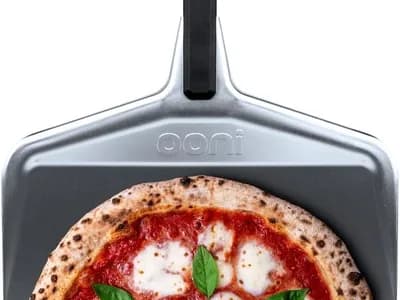
Bake on the stone 18-25 min
Slide the coca onto the stone with the peel and close the lid. At 250°C it takes 18-25 minutes: the coca doesn't puff like a pizza, it browns and dries out. Turn it halfway so it toasts evenly, because the back of the kamado always runs a touch hotter on one side. It's ready when the base is golden and crisp and the edges toasted.
- 07
Pull, dress and rest before cutting
Lift the coca with the peel and move it to a rack, not a plate, so the steam from the base escapes and it doesn't go soggy underneath. Drizzle with a good glug of Costa Blanca EVOO, scatter chopped parsley and rest 5 minutes. Cut into squares or strips with a pizza wheel or scissors. Eat it warm, which is when it's at its best.
About this recipe
The coca de recapte is the pizza of the Levante before pizza: a thin oil dough with no long proof, dressed with whatever the market garden and the salt-cure gave. On the kamado it works because we treat the ceramic as what it is here, a hearth oven at 250°C indirect over stone, not a barbecue. The difference between a memorable coca and a passable one isn't in the topping —the escalivada is textbook— it's in a dry, crisp base that holds the moisture of the roasted vegetables without going soggy underneath. That base comes from the preheated stone, not from a trick.
The escalivada first: well-roasted pepper and aubergine
Real recapte starts a day earlier, roasting the vegetables. The red pepper and the aubergine go whole on the grate over direct heat, turned until the skin blackens and the flesh gives way; that's where the sweet, smoky flavour that defines escalivada is born. They sweat covered, get peeled and cut into strips lengthways, then drained well: the escalivada that goes on the coca must be dry, because every drop of water it releases on top softens the dough underneath. You dress it with EVOO and a pinch of salt and nothing else. If you can roast them the day before, all the better: rested they concentrate the flavour and weep less liquid.
The thin oil dough and the stone at 250°C
Coca dough is not pizza dough: it carries more oil and less proof, rolls out very thin and turns brittle, almost like a savoury cracker, not airy. A handful of flour, water, a good glug of EVOO and the barest pinch of yeast; it rests half an hour, just enough to relax so you can roll it without it shrinking back. It goes on the stone preheated to 250°C with the deflector in place: the stone draws moisture from the base and bakes it from below in the first minutes, which is exactly what keeps it crisp. The kamado holds that 250°C like a wood oven, wrapping the coca from above and the sides.
The sardine, the Mediterranean touch and no cheese
What turns the coca into a coastal dish is the salt-cure: strips of salted sardine or, if you prefer it finer, anchovy, scattered without crowding. The sardine salts and bastes the sweet vegetables, and its fat melts in the heat; it needs no cheese —traditional Levante coca never carries cheese— because the oil and the fish already bring the richness. A hit of Costa Blanca EVOO on the way out, optional Vera paprika and chopped parsley. It's honest garden-and-sea food: pepper, aubergine, oil, salt-cure and a base that crunches. Full stop.
In 30 seconds
Roast red pepper and aubergine over direct heat until the skin blackens, peel, cut into strips and drain well (dry escalivada). Thin oil dough, plenty of EVOO and little proof, 30-min rest. Set the deflector and stone at 250°C indirect, properly preheated. Roll the coca paper-thin, dress with the escalivada and strips of salted sardine or anchovy, no cheese. Launch with the peel. 18-25 min until the base is golden and crisp and the edges toasted. EVOO on the way out. Serves 6.
Editor's tips
- A dry escalivada is the difference between a coca and a soggy pie. Roasted vegetables release a great deal of water, and if you lay them freshly peeled and wet on the dough, that water sinks to the base and leaves a raw, gummy bottom no matter how hot the stone is. Drain the strips in a sieve with salt for half an hour, or even roast them the day before: rested in the fridge they concentrate flavour and weep half the liquid. The coca rewards patience with the vegetables, not haste.
- Properly preheat the stone, not just the kamado. The trap of the crisp base is loading the coca when the dome thermometer already reads 250°C but the cordierite stone is still cold inside: it takes 30-40 minutes to charge with heat. A cold stone doesn't dry the base, it steams it in its own moisture and leaves it soft. Give the stone time, check with an infrared probe if you have one, and only then launch the coca.
- Salted sardine or anchovy, depending on how much salt you want. The salted sardine is meatier and more rustic, with a punchy cure that stands up to the sweet vegetables; the anchovy is finer, more unctuous and saline, scattered in small fillets. Either makes the coca a coastal dish, but don't mix them with cheese: the oil and the fish already bring the richness, and cheese buries the clean flavour of the escalivada. If it's too salty, soak the sardine in milk for ten minutes.
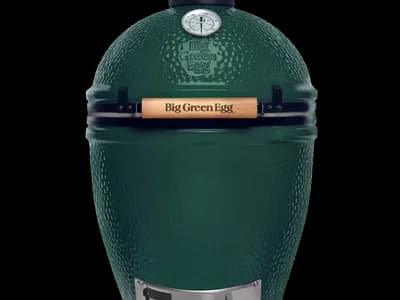
Gear for this recipe
As an Amazon Associate, mikamado.es earns from qualifying purchases. At no extra cost to you.
FAQ
Why does the coca need a stone instead of going straight on the grate?
Because the whole point of coca de recapte is the dry, crisp base, and only a solid preheated surface that bakes the dough from below delivers it. The cordierite stone stores heat during the preheat and, as you slide the coca on, transfers that heat at once to the bottom, evaporating the dough's moisture in the first minutes before the vegetables have time to soften it. On the bare grate, the thin dough would sag between the bars and get uneven heat, with raw spots and burnt ones. The stone, set over the deflector, also shields you from the direct radiant heat of the coals and turns the kamado into a true hearth oven, which is exactly what this dish asks for. If you have no stone, a thick preheated steel plate plays the same role.
Does coca de recapte have cheese? And how does it differ from a pizza?
No, traditional Levante coca de recapte carries no cheese, and that's one of the traits that set it apart from pizza. Neapolitan pizza is built on a base of tomato and mozzarella, with an airy, long-proofed dough and a puffed cornicione; the coca is another thing. Its dough is thin, brittle and loaded with oil, barely proofed, so it doesn't puff: it ends up like a crisp savoury cracker. And the topping is roasted vegetables and salt-cure —pepper and aubergine escalivada, sardine or anchovy, sometimes onion or tomato— with no cheese and no tomato-as-base logic. The richness comes from the EVOO and the fish fat, not from a melted dairy. It is, in essence, a peasant use-it-up recipe (recapte means exactly that, the provisions, what there is) that predates the pizza fashion, and dressing it in cheese denatures it.
Can I roast the escalivada in the kamado itself on coca day?
Yes, and it's actually ideal for flavour: the kamado over direct heat roasts the pepper and aubergine with a charcoal smokiness an electric oven can't match. The natural sequence is to roast the whole vegetables direct over fierce heat at the start of the session, while you light and load the kamado; you pull them to sweat covered, set the deflector and stone and let it climb to 250°C while you peel and drain the escalivada. By the time the stone is properly hot, the vegetables are peeled, cut and dressed. The one care is timing: the escalivada needs to drain well, so give it at least 20-30 minutes in the sieve, which lines up neatly with the stone's preheat. If you're rushed, roast it the day before and keep it in the fridge; you'll gain flavour concentration and it'll weep less water onto the dough.
Why does my coca stay soft underneath even though the stone was hot?
It's almost always excess moisture, not lack of heat. The three usual culprits: the escalivada went on too wet and released water onto the dough during the bake; you rolled the dough with too little oil and too thick, so the centre never dried out; or you rested the coca on a plate when you pulled it, where the steam from the base gets trapped and softens it within five minutes. The fix for all three is the same discipline: drain the escalivada thoroughly, roll the dough very thin and well oiled so it bakes fast, and always move the coca to a rack when it comes out, never a plate, so the steam escapes underneath. If it still resists, raise the stone a notch closer to the heat source or lengthen the preheat, but 90% of soft cocas are water, not temperature.
Can I prep the dough and escalivada ahead and assemble the coca to order?
Yes, and it's the best way to serve several cocas back to back without stress. The escalivada can be roasted, peeled and dressed up to two days ahead and kept in the fridge, well drained in a tub; it gains flavour and weeps less water, so getting ahead works in your favour. The dough takes two routes: either make it on the day and rest it 30 minutes, or knead it the night before and keep it in an oiled bowl in the fridge, taking it out an hour ahead so it tempers and rolls without tearing. What you shouldn't do is assemble the whole coca and let it wait raw, because however dry the escalivada is, it eventually dampens the dough if it sits too long. Assemble each coca just before baking, slide it onto the stone and, while it cooks, roll and dress the next one. That way you serve warm and crisp in a chain.
More kamado recipes
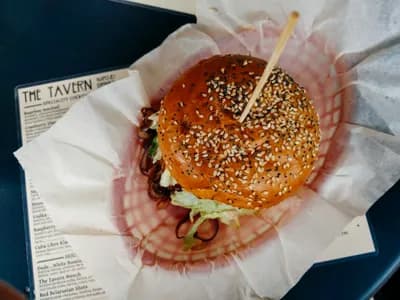
Brioche Burger Buns on the Kamado
Brioche burger buns baked on the kamado: a soft, buttery crumb, an egg-glazed shine and a scatter of sesame. The perfect cushion for your next homemade smash burger.
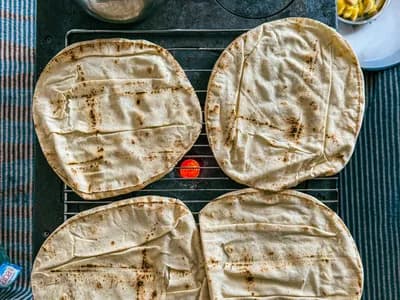
Kamado pita bread that puffs itself on the stone
Individual pita breads that balloon up into a perfect pocket on cordierite stone at 300°C, cooked indirect. Fresh, golden and steaming from the pocket: the party trick I pull on my Torrevieja terrace whenever there is hummus.
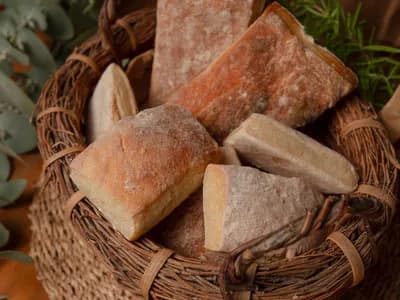
Olive Oil Ciabatta on the Kamado
A very wet poolish dough with a wild, open crumb and a thin, crackly crust. Baked on a cordierite stone with a burst of steam, this ciabatta comes out of the kamado like it left a hearth oven.
KEEP READING
Go deeper on this dish
- Recommended kamado
Big Green Egg Large
The classic kamado that defined the category
- Editorial guide
How to light a kamado: the step-by-step method
No petrol, no weird tablets and no 45-minute waits. The cone method, airflow control and the mistakes that prevent 80% of the frustration.
- Glossary term
Heat deflector
Ceramic plate placed between the coals and the grate to turn direct fire into indirect cooking.
- Related comparison
big green egg large vs kamado joe classic iii
The classic kamado matchup: the Big Green Egg Large, the indestructible pioneer with the widest accessory network, agai…