TECHNIQUE
Smoked kamado recipes
Smoking on a kamado means working at 100-130 °C for hours, with chunks or chips of noble wood — holm oak, apple, cherry — and patience as the main ingredient. The ceramic holds the moisture inside the chamber and the slow burn of the wood builds smoke ring, dark bark and that deep aroma no oven reproduces. In this section we publish the long smokes we've cooked on our Torrevieja terrace, with Costa Blanca winds for or against us, measuring every cook with probe and notebook. These are not recipes for a rushed afternoon: they're the ones you save for an unhurried Saturday.
14 recipes published
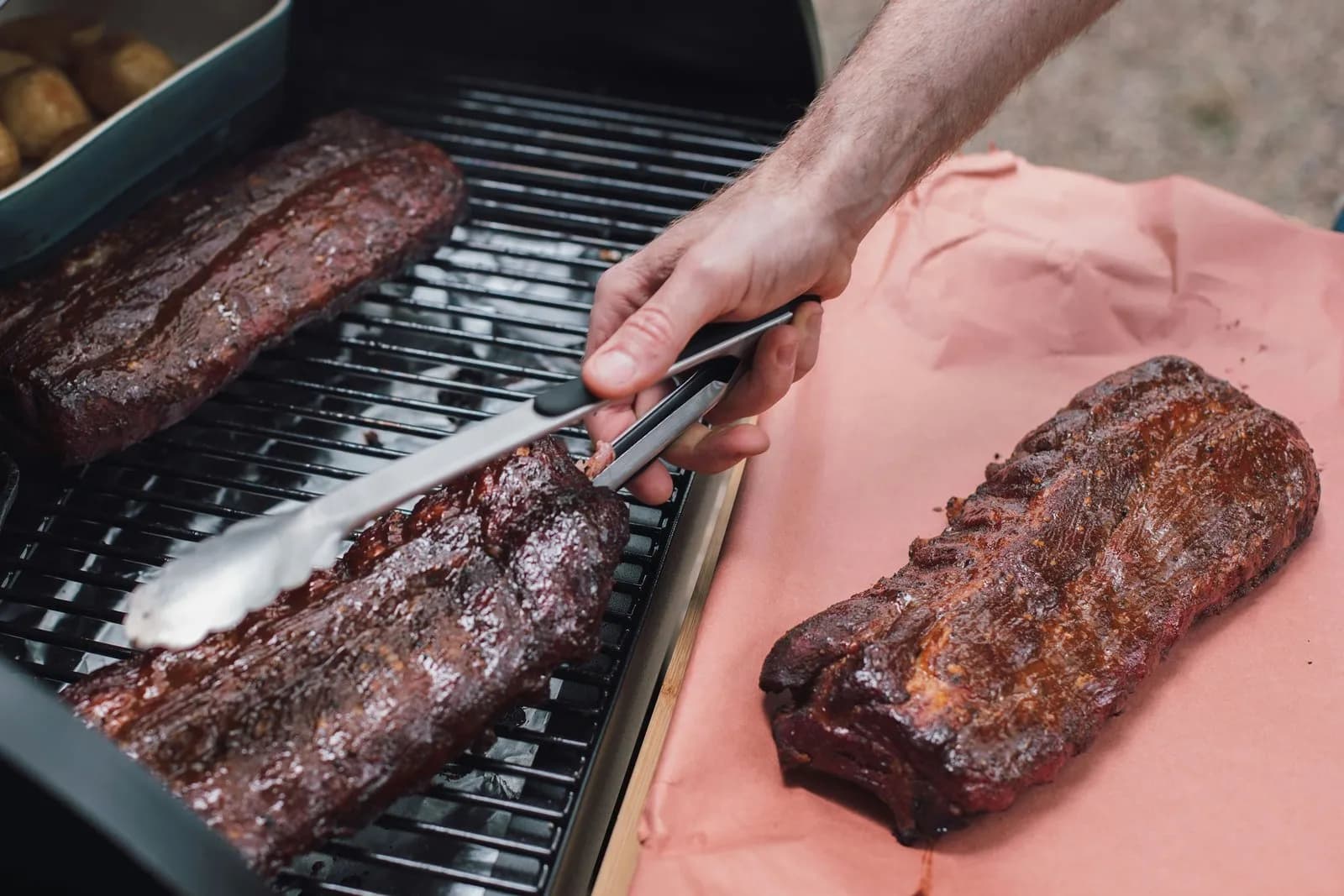
Smoking on a kamado means cooking indirect, with the deflector in, at 110-120 °C for hours, with a few wood chunks buried in the charcoal. The bottom vent is almost closed and the top one barely open; the charcoal is lit at one end using the Minion method so it burns slowly for 8 to 14 hours.
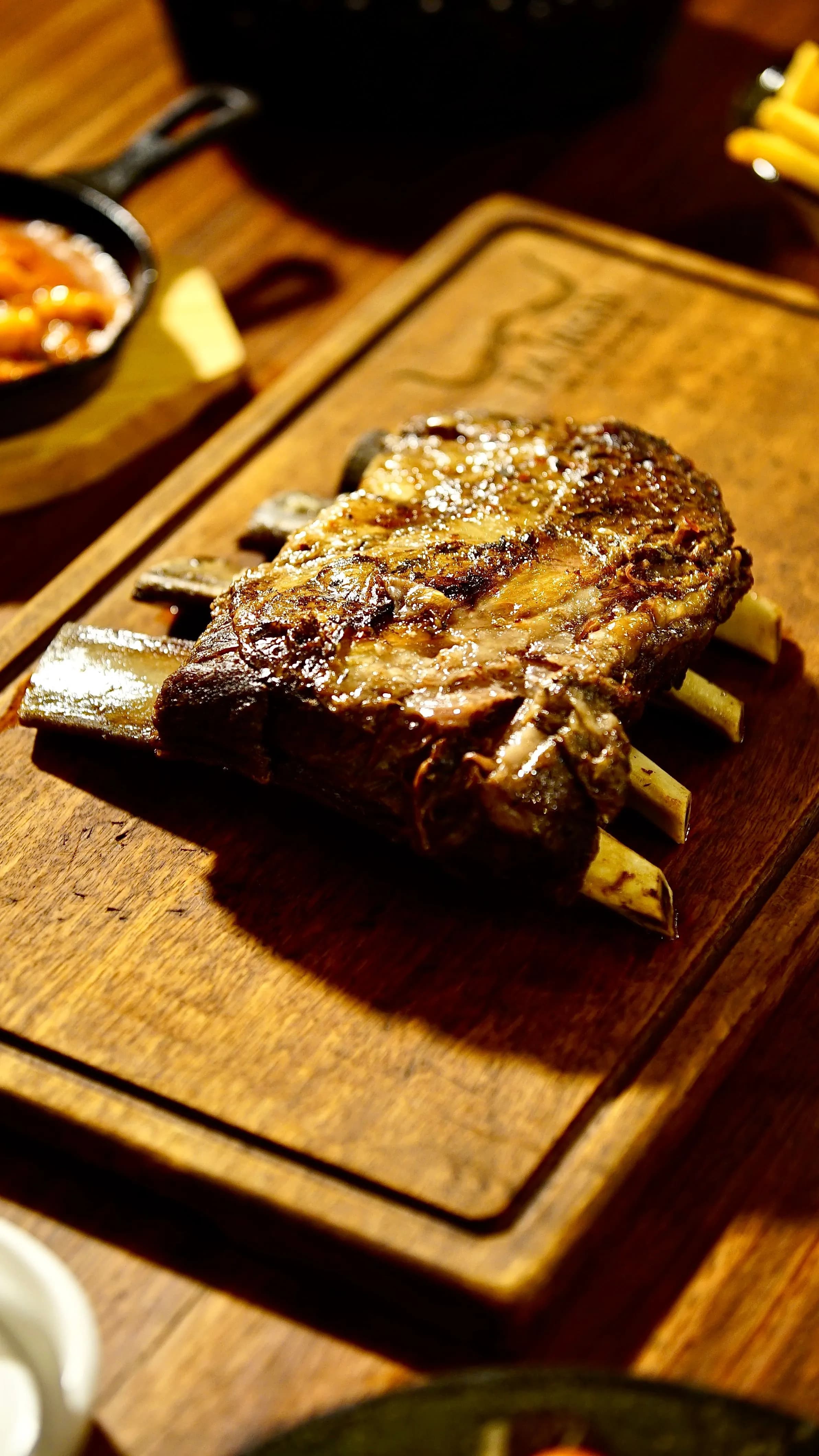
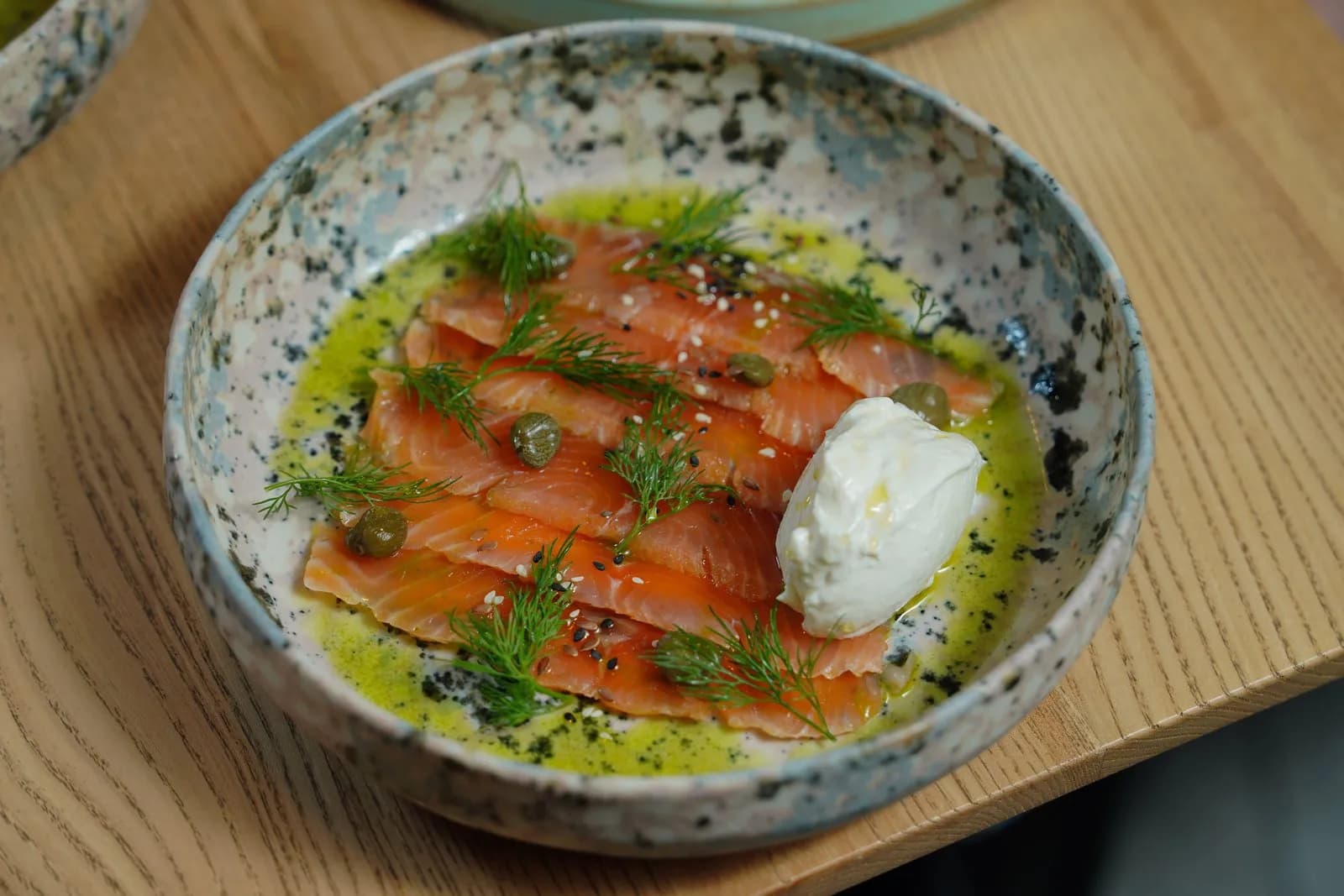
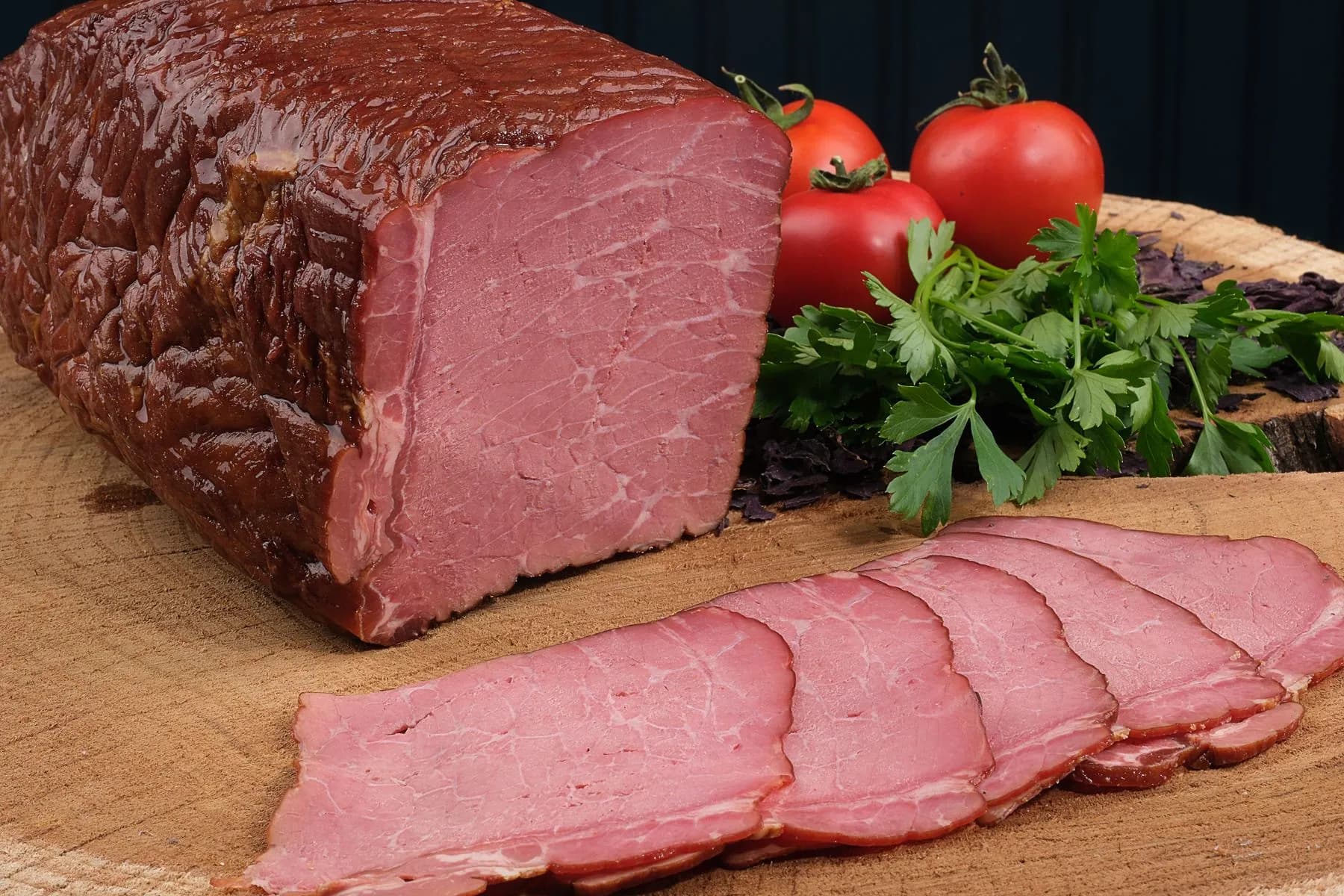
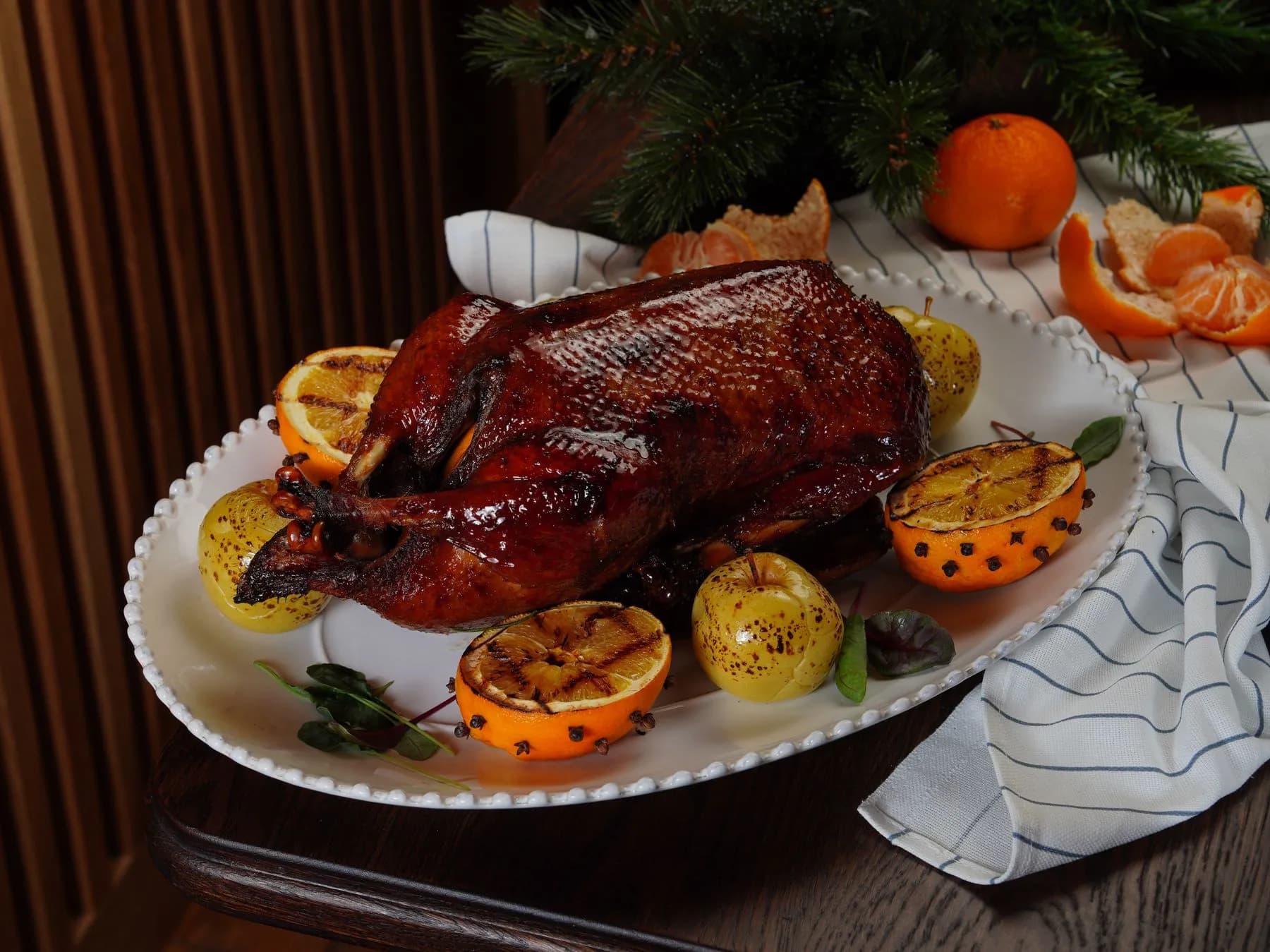
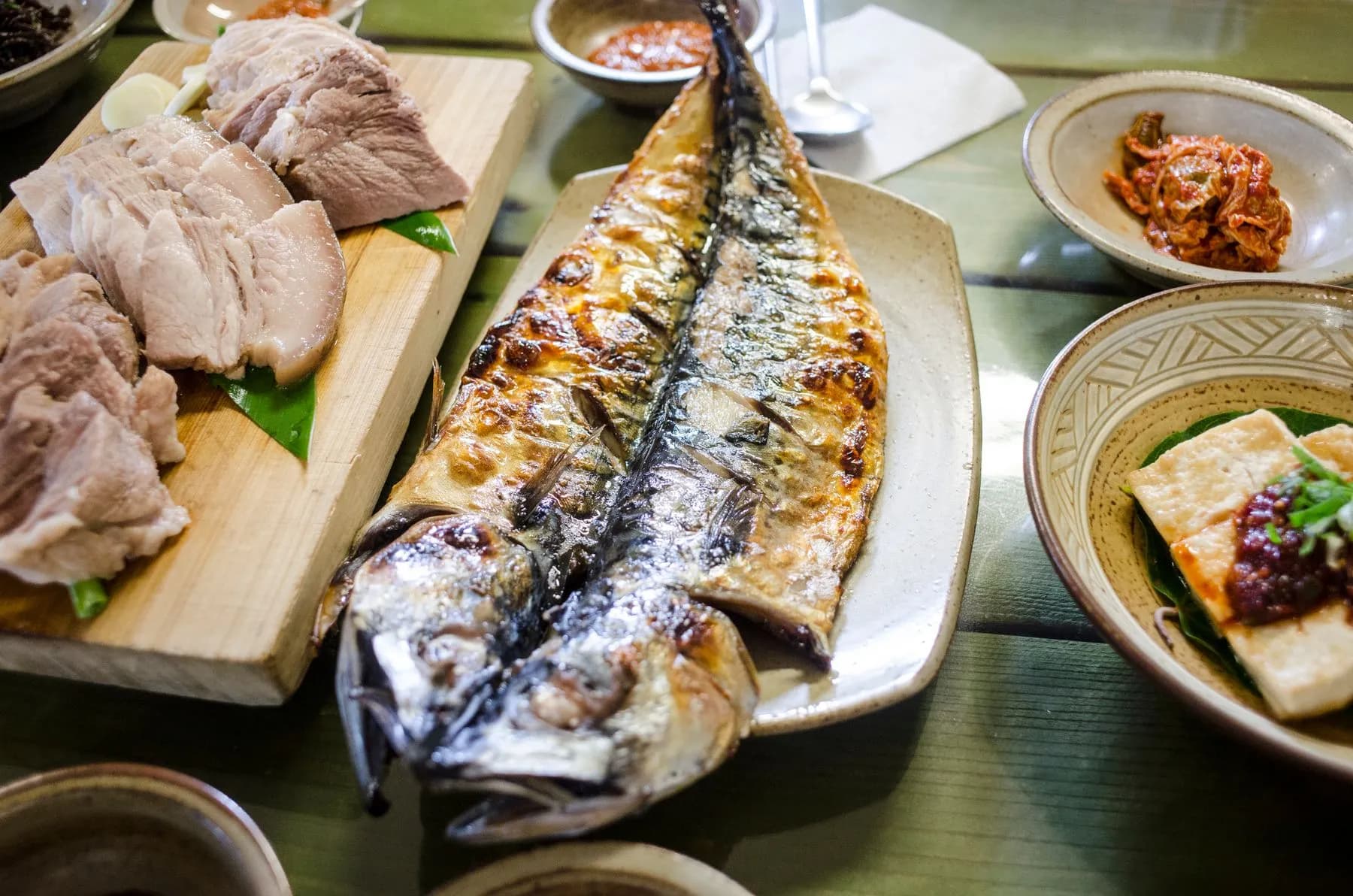
It's the technique for large, tough cuts, where collagen needs time to melt and smoke has hours to get in. The brisket is ready when the core hits 90-95 °C, not at a fixed hour; the Carolina-style pulled pork falls apart with two forks; the Levante leg of lamb pairs gentle smoke with Mediterranean herbs; the Christmas turkey stays juicy and the hot-smoked mackerel proves smoke works for fish too.
The Torrevieja lesson: wood is a seasoning, not a fuel. In a closed ceramic cooker smoke recirculates, so four or five chunks, about 200 grams, are enough for a full low and slow. The typical failure is overloading or soaking the wood and ending up with white smoke and a bitter, ashtray taste. Wait for thin, bluish smoke before the meat goes in. Which wood suits which food is covered in woods for smoking.