TECHNIQUE
Direct-fire kamado recipes
Direct fire is the kamado's oldest face: live coals just under the grate, vents wide open and the ceramic loaded between 200 and 300 °C. This is where a ribeye seared a finger above the charcoal and vegetables marked until their mineral sweetness returns all belong. In this section we gather the recipes we've cooked on our Torrevieja terrace, on the afternoons when the levante wind lets the coals breathe. We don't chase softness here: we chase crust, colour and the small margin of error that rewards the attentive cook.
43 recipes published
Direct cooking on a kamado puts the food on the main grate with the coals right underneath and no deflector. Heat arrives as dry, intense radiant heat: 250-350 °C at the grate with both vents fairly open. It suits thin cuts that cook through before the outside burns.
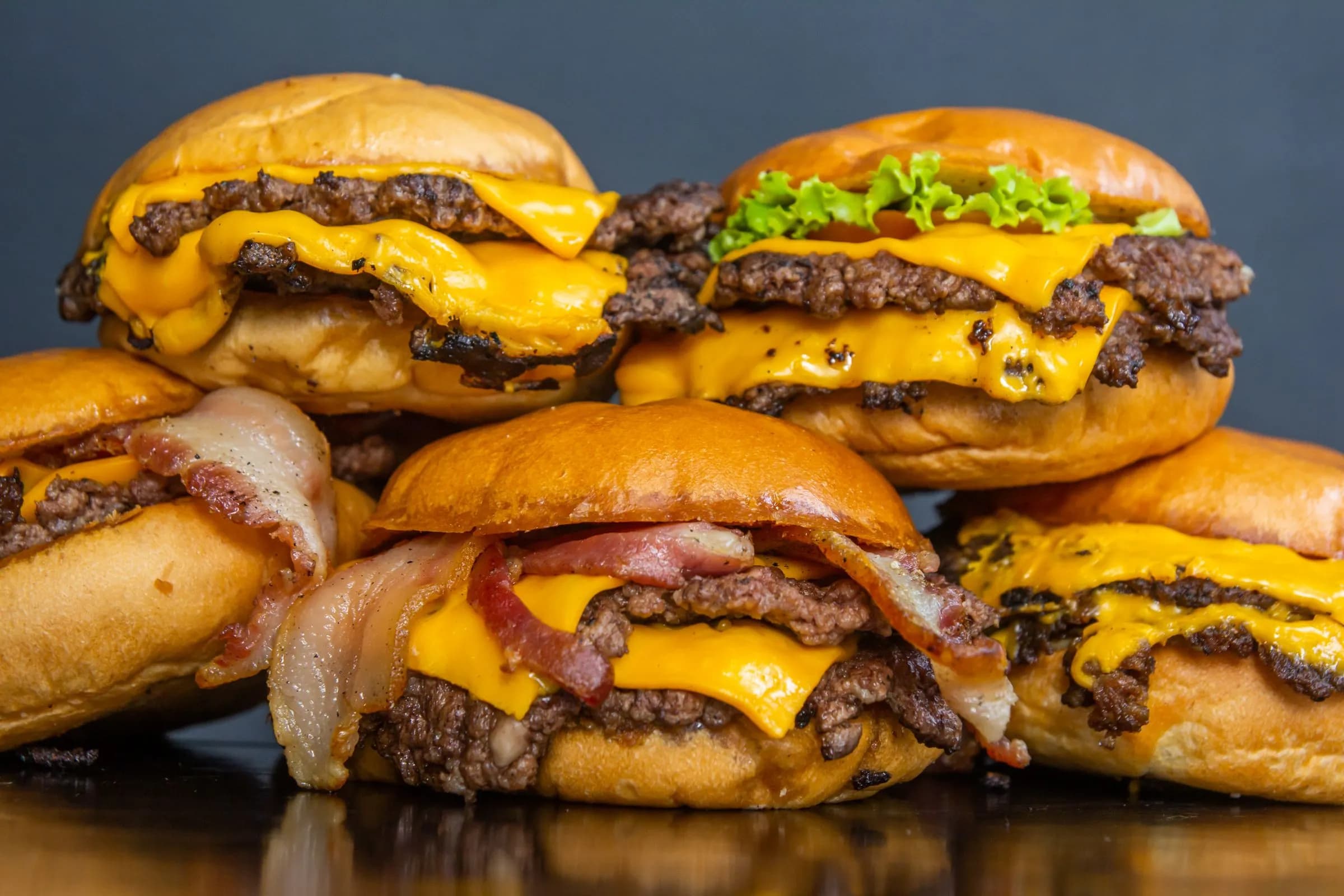
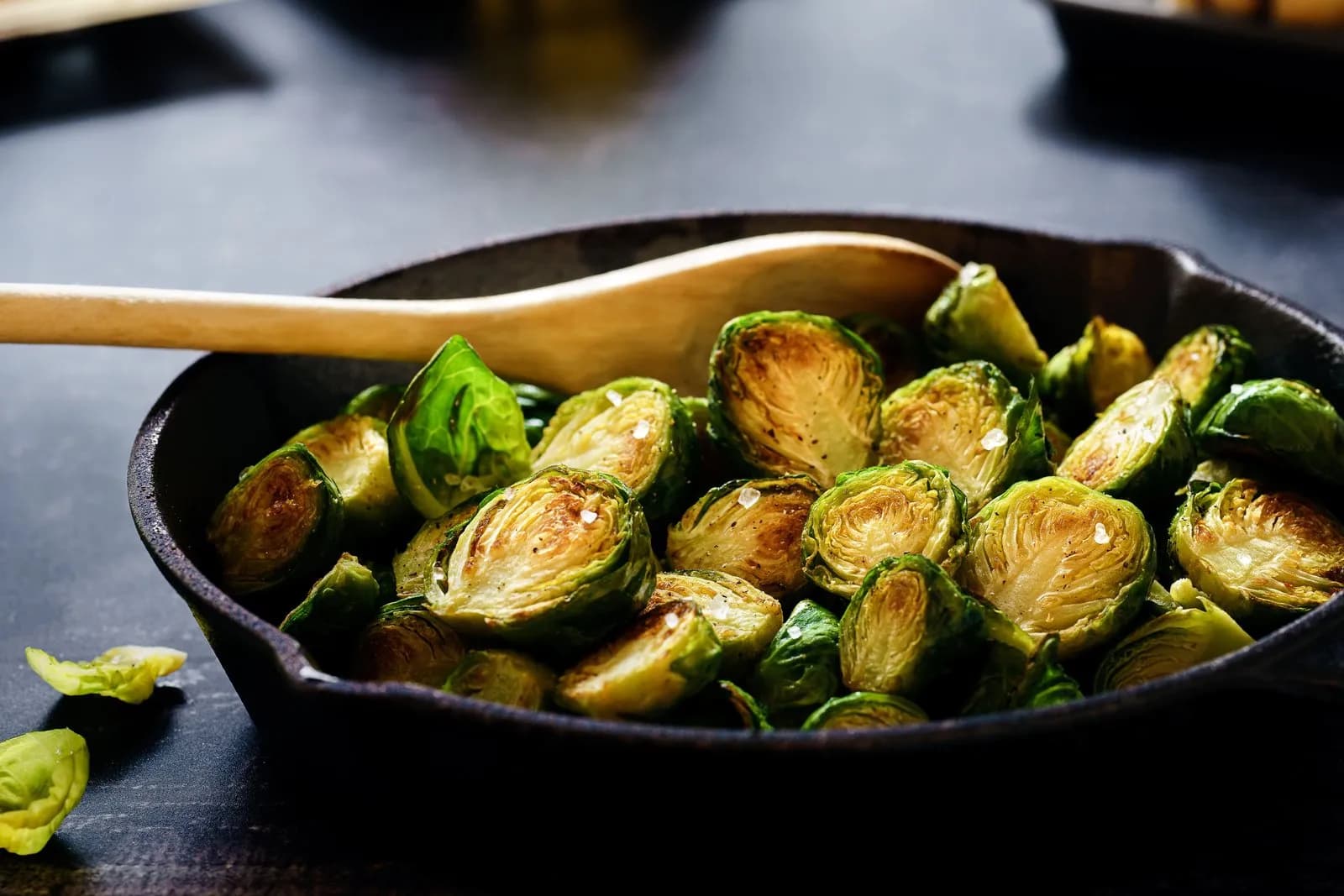
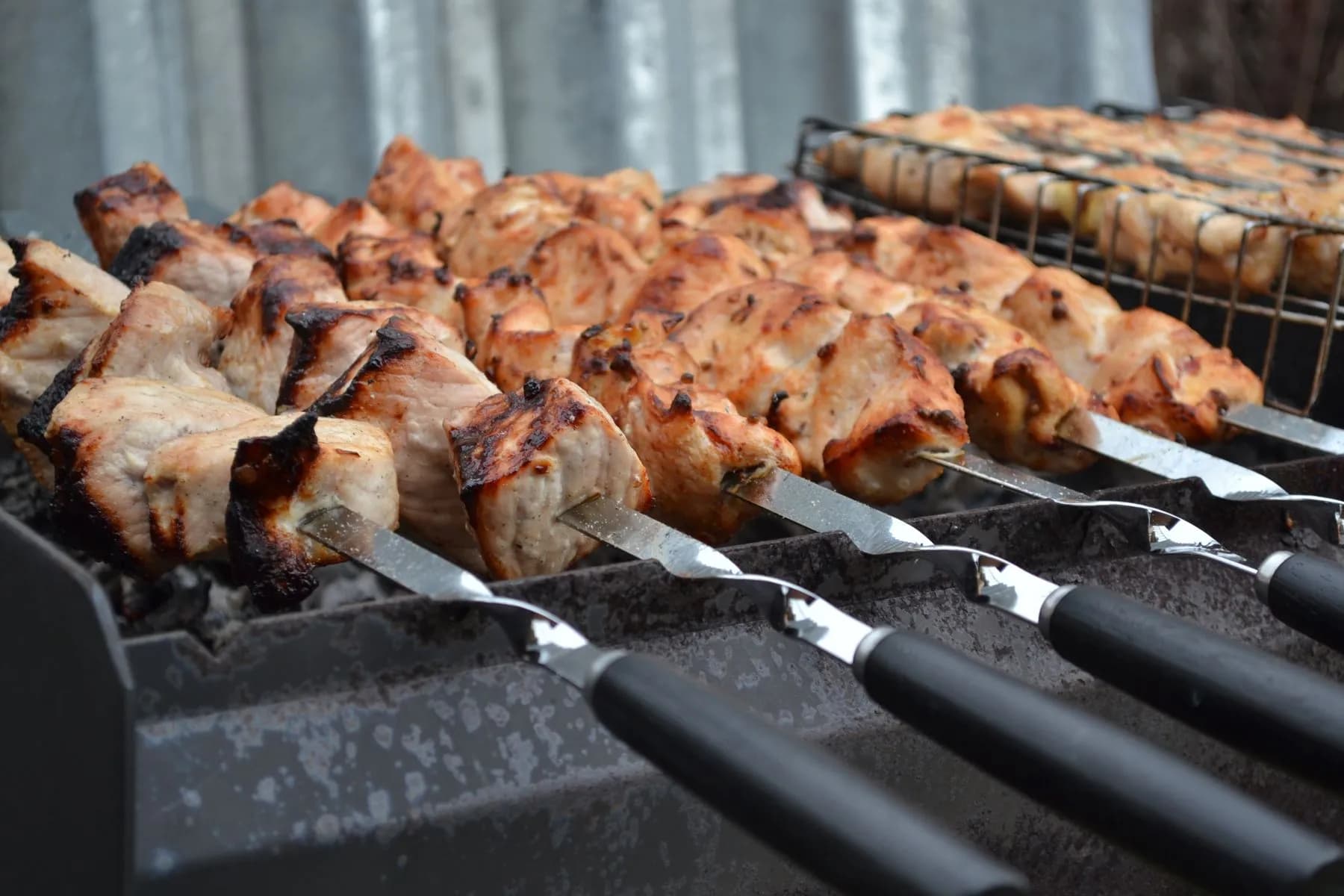
This is the technique for crust and colour. The Galician rib steak needs only a few minutes per side over live coals; the smash burger is pressed against hot iron so it browns edge to edge; the red prawns are done in six minutes; sardines on skewers and escalivada use the dry heat to concentrate flavour. Even dessert works: the rum-grilled pineapple caramelises right on the grate.
What we've learned in Torrevieja: if a cut takes more than twenty minutes, it doesn't go direct. The typical failure is putting a thick thigh or a rack of ribs over the coals and finding it black outside and raw by the bone. Another classic is flinging the lid open at 300 °C: lift it five centimetres for a couple of seconds first to avoid a flashback. When to switch methods is covered in direct vs indirect cooking.