Recipe · Direct · Medium
Sesame-Crusted Seared Bluefin Tuna on the Kamado (Tataki)
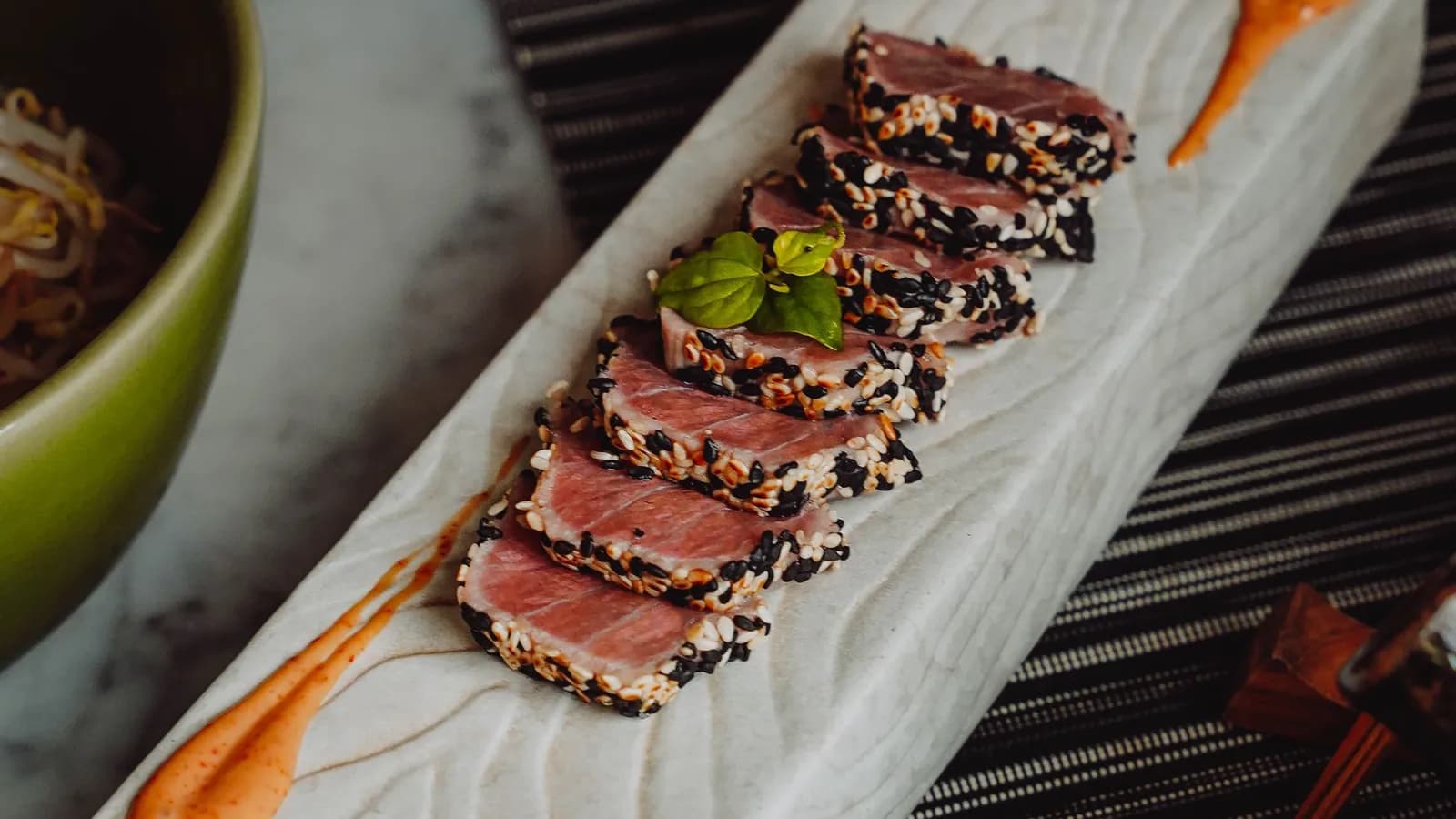
A bluefin tuna loin rolled in sesame and seared 30-45 seconds per side over a screaming-hot kamado: a toasted crust outside, a raw, juicy core, and a soy, ginger and lime sauce that wakes it all up.
Quick answer
Tataki bluefin tuna is seared on a kamado over very high direct heat, with the griddle or grate at 250-280 °C. Roll the loin in sesame and sear it 30-45 seconds per side: you get a crisp crust outside and a raw, red, juicy centre. Serve with soy, ginger and lime sauce.
One big step at a time, screen kept on and built-in timers.
- Prep
- 20 min
- Cook
- 4 min
- Servings
- 4 servings
- Temperature
- 280 °C
What time do you want to eat?
Pick a time and we'll tell you when to start.
13:06
Start the prep
13:26
Light the kamado
13:46
Onto the kamado
14:00
Serve
Estimate: it includes lighting and settling the kamado plus a margin for large cuts. If the recipe asks you to marinate or salt ahead, add that time.
Fire setupDirect heat
- Dome
- 280 °C
- Deflector
- No
- Grate
- Low
- Bottom vent
- Open
- Top vent
- Open
- Fuel
- White quebracho lump charcoal
- Setup
- 28 cm square cast-iron griddle
Temperature curve
0:26 h from lighting
Kamado dome
| # | From | Phase | Dome |
|---|---|---|---|
| 1 | 0:00 | Light the charcoalDirect, no deflector, cast-iron griddle on top | 20 → 280 °C |
| 2 | 0:20 | Sear30-45 s per side, four long sides, no moving | 280 → 260 °C |
| 3 | 0:24 | RestOn a board, 2 min; slice 1 cm thick | 260 → 250 °C |
| 4 | 0:26 | Serve | off |
0:00 is the moment you light the charcoal. Internal temperatures are the ones the recipe gives; without a probe, go by the times. Turn these times into clock times with the planner
For this recipe
Ingredients
- bluefin tuna loin in one rectangular piece (sushi-grade)600 g
- sesame seeds (white and black mix)4 tbsp
- soy sauce3 tbsp
- lime (juice and zest)1
- fresh grated ginger15 g
- toasted sesame oil1 tbsp
- extra virgin olive oil2 tbsp
- flaky sea salt1 pinch
Another cut
Got a different cut? Here is how the recipe changes
For 4 people the recipe uses 800 g of bluefin tuna: direct at 260 °C, 4 min plus 2 min rest. If the shop had something else:
- Salmon (fillet)Buy 1 kg
- Fire
- Indirect · 190 °C
- Time
- 25 min
- Rest
- 3 min
Light 30 min earlier
Salmon is not seared rare like tuna: it goes indirect at 190 °C, skin down with the sesame on top, and comes off at 50-57 °C in the centre, just opaque. No longer a sear.
- CuttlefishBuy 1.5 kg
- Fire
- Direct · 260 °C
- Time
- 7 min
- Rest
- no rest
Same lighting time
Same hot fire, opposite doneness. Direct at 260 °C with the cuttlefish opened flat; done when the flesh is white and firm, not rubbery. No raw centre here.
- Duck breast (magret)Buy 1.44 kg (4 pieces)
- Fire
- Indirect · 180 °C
- Time
- 18 min
- Rest
- 10 min
Light 30 min earlier
Not fish, but it gives the same pink slice. Score the skin, cook indirect at 180 °C and pull at 54 °C for rare or 61 °C for medium. Sesame suits it well.
Times are a guide, based on the How much to buy figures; follow the recipe first. Full fire plan for 4 people: Salmon (fillet), Cuttlefish, Duck breast (magret).
Allergens
- Gluten
- Fish
- Soy
- Sesame
Soy sauce usually contains wheat; gluten-free tamari avoids it.
Based on the recipe's ingredients. Always check the label of every product you buy.
The gear for this recipe
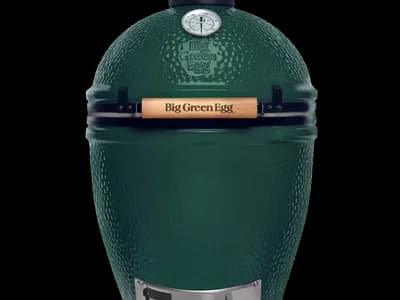
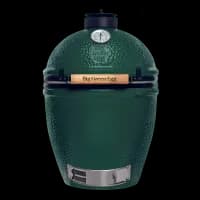 Big Green Egg LargeTataki lives on dry, steady heat, and here the ceramic of the Big Green Egg Large plays in another league: it holds temperature when you lift the lid to put the tuna on, so the griddle doesn't crash at the very moment of the sear. With the vents open it cruises to the 280 °C dome you need to toast the sesame in 30-45 seconds per side. The Large size gives plenty of room to sear several blocks at once without crowding them.
 Jealous Devil 100% White Quebracho lump charcoal 15.8 kg
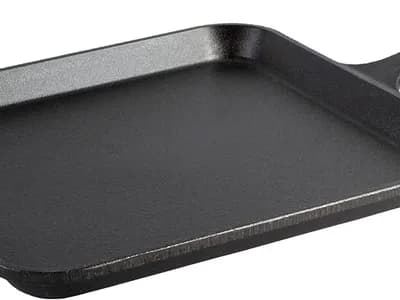
 Lodge Square Cast Iron Griddle 11" (28 cm)For such a short sear you need a flat, heavy surface that stores heat and gives it back in one hit; a grate leaves bars but won't cover the whole sesame crust. Lodge's square cast-iron griddle (28 cm) does exactly that: fully heated, it browns all four faces of the tuna completely and evenly, with no seeds slipping between bars. Preheat it inside the kamado with the lid shut and you'll have a stable 250-280 °C base ready for the tataki blast.
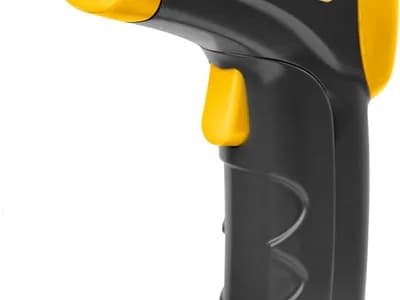
 Ooni Digital Infrared Pizza Oven ThermometerIn tataki the surface temperature is everything, and the kamado's lid thermometer reads the air in the dome, not the iron. Ooni's infrared thermometer lets you point straight at the griddle and confirm you're at a real 250-280 °C before the tuna goes on: the difference between a crisp crust and a fish that cooks through. It's an instant, no-contact reading that turns the 30-45 second sear into something repeatable instead of a gamble.
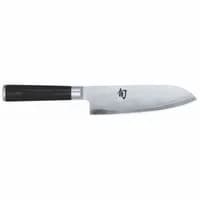 Kai Shun Classic DM-0702 – 18 cm Japanese Santoku in VG-MAX Damascus Steel
Method
- 01
Temper the tuna
Take the tuna out of the fridge 15 minutes ahead and pat it very dry: a wet surface won't hold the sesame and steams on the griddle. Trim it into rectangular blocks about 4-5 cm thick, which sear more evenly than an irregular piece.
- 02
Citrus sauce
Whisk the soy sauce, lime juice and zest, grated ginger and toasted sesame oil. Taste and adjust: it should be sharp and fresh, not salty. Set it aside for the end; used as a marinade it would scorch its sugars during the sear.
- 03
Sesame crust
Brush each block with a little olive oil and a pinch of flaky salt. Spread the sesame on a plate and press the tuna onto all four long faces until evenly coated. Press, don't sprinkle: the crust must stick so it doesn't fall off on the griddle.
- 04
Coals glowing
Set the kamado up for direct heat, no deflector, grate low with a cast-iron griddle on top. Open the vents and bring the dome to 280 °C. The griddle is ready when a drop of water dances and vanishes instantly; an infrared thermometer should read 250-280 °C at the surface.
- 05
Sear 30-45 s
Lay the blocks on the griddle and sear them 30-45 seconds per side, turning to toast all four long faces. Don't fidget with them while they sear. The centre must stay raw, red and cool: go past a minute per side and the tuna starts to cook through and loses the point.
- 06
Rest and slice
Move the tuna to a board and let it rest 2 minutes so residual heat settles the crust. With a very sharp knife, cut 1 cm slices against the grain. Fan them out, spoon over the citrus sauce and finish with sesame or chives. Serve at once.
About this recipe
Tataki is one of the most rewarding techniques you can pull off on a kamado: it leans on the fierce, dry heat that ceramic holds better than almost any other grill. The idea is simple but nerve-wracking: a sesame-crusted bluefin tuna loin goes in and out of the searing zone in under three minutes, just long enough to toast the crust without letting the heat reach the centre.
A 30-45 second sear per side only works if the surface is genuinely glowing: we're talking 250-280 °C. With the lid shut until the last moment and a cast-iron griddle fully heated, the kamado reaches and holds that temperature without crashing the instant you open it. That's exactly what separates a crisp crust from tuna that's boiled outside and sad within.
Bluefin tuna (Thunnus thynnus) is governed by strict ICCAT quotas, and the almadraba trap fishery of the Gulf of Cádiz is one of the most selective and traceable methods around. Buy a piece with clear provenance and, if you're eating it raw, follow the local rules on prior freezing to deal with anisakis. Buying well here isn't posturing: it's what keeps tuna in the water.
In 30 seconds
Cast-iron griddle at 250-280 °C over direct coals. Whole-piece bluefin tuna, rolled in sesame, seared 30-45 s per side, raw in the middle. Rest 2 minutes, slice 1 cm thick, serve with soy, ginger and lime sauce. Freeze the tuna beforehand if eating it raw.
Served as slices on the board itself, with a drizzle of sauce and a few shoots, it's one of those dishes that looks like restaurant work yet comes together at home in the time it takes the coals to ash over. A summer starter that floors everyone.
Will it fit your kamado?
Small
33-40 cm · Joe Jr, MiniMax
Tight
The 28 cm griddle (≈40 cm diagonal) may not fit a 33 cm grid; with a smaller one, two batches.
Medium
46-51 cm · Classic, Large
Fits
The griddle fits with room to spare; same timing, one batch.
Large
56-61 cm · Big Joe, XL
Fits
Fits easily; the griddle covers only the centre, so slightly less charcoal may do.
What to serve with it
Sides
- Steamed Japanese rice
- Wakame and cucumber salad
- Grilled wild asparagus
- Wine
- Albariño from Rías Baixas or a well-chilled Jerez fino
- Beer
- Dry Japanese-style lager or pilsner
- Alcohol-free
- Iced green tea with a hint of lime
Leftovers and storage
- In the fridge
- Raw inside: airtight into the fridge within 2 h and eat within 24 h at most.
- Freezing
- Does not freeze well once seared: the crust softens and the slices lose texture.
- Reheating
- Not for reheating: eat it cold, taken out of the fridge 10 minutes ahead.
- Using them up
- Dice and serve over rice with avocado and the citrus dressing, poke-style.
Cool and refrigerate within 2 hours. When in doubt, throw it out.
Leftover embers
You still have embers: what to do with the leftover heat
For 4 min at 280 °C in a classic kamado you load about 800 g of charcoal and burn 500 g: when you serve, about 350 g of live embers remain. Before you shut the vents, that is still enough for:
Without touching the vents
280 °Cfull heat, direct
20 minof embers
- Red prawns over live fire on the kamado in 6 minutes6 min · 280 °C
- Iberian pork tenderloin grilled with Pedro Ximénez glaze8 min · 280 °C
No recipe needed
- Pita or naan from shop dough, on the grate (2 min each)
- Whole peppers until the skin blackens, for peeling (8 min)
- Pineapple or peach slices, char-marked (3 min)
Closing the vents a little and waiting for it to drop
210-270 °Cgrilled vegetables
20 minof embers
- Grilled Watermelon with Feta, Mint and Balsamic Reduction10 min · 250 °C
- Bacon-Wrapped Dates on the Grill14 min · 210 °C
- Grilled Corn Mexican Elote Style on the Kamado15 min · 230 °C
No recipe needed
- Strips of courgette and aubergine, char-marked (5 min)
- Pita or naan from shop dough, on the grate (3 min each)
- Halved tomatoes, cut side down, for a sauce (10 min)
Before opening the lid, crack it open for a few seconds first; if you raise the heat, stir the ash so the coals can breathe. And if you are not going to use them: once the food is out, close the bottom and top vents. The charcoal that does not burn (about 350 g) can be used next time. Different size of kamado? Work out your load for 30 min of fire, lighting included.
No kamado?
How to make it without a kamado: oven, gas grill or pellets
Tataki needs very hot iron and 30-45 seconds a side so the centre stays raw. The griddle matters, not the smoke, so your stovetop will do.
Home oven
Not recommended
An oven cannot sear in 30-45 s; use a smoking cast-iron pan on the hob
Gas grill
- Temp.
- Burners on high, cast-iron griddle at 280-300 °C
- Time
- 30-45 s a side, same as on the kamado
- Preheat the griddle 15 minutes with the lid down; a drop of water should dance
- Sear with the lid open so the tuna does not cook through
- If the griddle loses heat, sear the blocks two at a time
SmokeBarkJuicinessSame as on the kamado if the iron is properly hot
Pellet grill or electric smoker
Not recommended
Pellets cannot get the iron hot enough to sear without cooking it through
Temperatures and times are a guide; the original recipe is the kamado one. Tempted? which kamado to choose for what you cook
Editor's tips
- Buy tuna with traceable provenance, ideally almadraba, and ask for sushi-grade. To avoid anisakis, AESAN rules require freezing it at -20 °C for 24 hours (or -35 °C commercial blast-freezing) before eating it raw or rare.
- Drying is non-negotiable. Wet tuna won't grip the crust, drops the griddle temperature and ends up steaming in its own moisture instead of toasting. Paper towel it thoroughly right before coating.
- Always slice against the grain with a very sharp knife: a dull blade crushes the fibre and wrecks the crust. A fish knife or a Japanese santoku gives clean slices in a single pass.
Gear for this recipe
As an Amazon Associate, mikamado.es earns from qualifying purchases. At no extra cost to you.
Big Green Egg Large
Tataki lives on dry, steady heat, and here the ceramic of the Big Green Egg Large plays in another league: it holds temperature when you lift the lid to put the tuna on, so the griddle doesn't crash at the very moment of the sear. With the vents open it cruises to the 280 °C dome you need to toast the sesame in 30-45 seconds per side. The Large size gives plenty of room to sear several blocks at once without crowding them.
€2,099

Jealous Devil 100% White Quebracho lump charcoal 15.8 kg
€206
Lodge Square Cast Iron Griddle 11" (28 cm)
For such a short sear you need a flat, heavy surface that stores heat and gives it back in one hit; a grate leaves bars but won't cover the whole sesame crust. Lodge's square cast-iron griddle (28 cm) does exactly that: fully heated, it browns all four faces of the tuna completely and evenly, with no seeds slipping between bars. Preheat it inside the kamado with the lid shut and you'll have a stable 250-280 °C base ready for the tataki blast.
€51
Ooni Digital Infrared Pizza Oven Thermometer
In tataki the surface temperature is everything, and the kamado's lid thermometer reads the air in the dome, not the iron. Ooni's infrared thermometer lets you point straight at the griddle and confirm you're at a real 250-280 °C before the tuna goes on: the difference between a crisp crust and a fish that cooks through. It's an instant, no-contact reading that turns the 30-45 second sear into something repeatable instead of a gamble.
€29
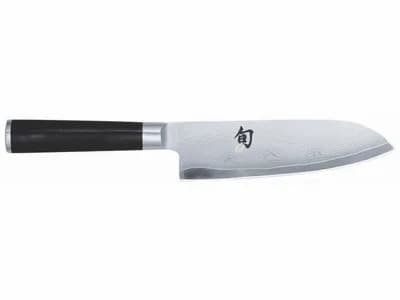
Kai Shun Classic DM-0702 – 18 cm Japanese Santoku in VG-MAX Damascus Steel
€150
Have you made it?
Tell us how it turned out on your kamado. We review every rating before publishing it.
No published ratings yet. Be the first!
FAQ
What temperature do you sear tataki tuna at on a kamado?
Over very high direct heat, with the griddle or grate at 250-280 °C. At that temperature you sear 30-45 seconds per side and the centre stays raw. If the surface is cooler, heat penetrates and the tuna cooks through instead of toasting.
How do I avoid anisakis if I'm eating the tuna raw?
AESAN requires fish eaten raw or rare to be frozen at -20 °C for at least 24 hours (or -35 °C in commercial freezers). If you buy tuna frozen at sea or labelled sushi-grade, it already meets this requirement.
Which cut of bluefin tuna is best for tataki?
The loin or central fillet, in a compact rectangular piece with no sinew or skin. That shape sears evenly on all four faces and slices cleanly afterwards. Avoid thin or irregular offcuts: they cook through before they toast.
Is cooking bluefin tuna sustainable?
It can be, if you choose well. Atlantic bluefin tuna is governed by ICCAT quotas and its stocks have recovered. The almadraba trap of the Gulf of Cádiz is a selective, traceable fishing method; look for that provenance or responsible-fishing certifications.
Direct or indirect heat for searing the tuna?
Direct, with no deflector and the grate set low, as close to the coals as possible. Tataki needs a brief, intense blast of heat; indirect cooks with gentle ambient heat, exactly the opposite of what you want here.
Can you make seared bluefin tuna tataki without a kamado?
Yes: on a gas grill with a cast-iron griddle on full it turns out the same, or in a smoking cast-iron pan on the hob. The oven and pellets do not work, as they cannot sear in 30-45 seconds without cooking the centre.
Can I make this recipe with a different cut instead of bluefin tuna?
Cuttlefish keeps the hot direct fire but is cooked through, white and firm. Salmon and duck breast move to indirect heat and come off by probe. The probe or the cut decides, not the clock.
What do I do with the embers left after making Sesame-Crusted Seared Bluefin Tuna on the Kamado (Tataki)?
After 4 min at 280 °C in a classic kamado about 350 g of live embers remain: 20 min more at 280 °C without touching the vents or 20 min at 210-270 °C closing the vents. If you are not going to use them, close both vents and keep the charcoal for next time.
More kamado recipes
KEEP READING
Go deeper on this dish
- Recommended kamado
Big Green Egg Large
Tataki lives on dry, steady heat, and here the ceramic of the Big Green Egg Large plays in another league: it holds temperature when you lift the lid to put the tuna on, so the griddle doesn't crash at the very moment of the sear. With the vents open it cruises to the 280 °C dome you need to toast the sesame in 30-45 seconds per side. The Large size gives plenty of room to sear several blocks at once without crowding them.
- Editorial guide
How to light a kamado: the step-by-step method
No petrol, no weird tablets and no 45-minute waits. The cone method, airflow control and the mistakes that prevent 80% of the frustration.
- Glossary term
Heat deflector
Ceramic plate placed between the coals and the grate to turn direct fire into indirect cooking.
- Related comparison
big green egg large vs kamado joe classic iii
The classic kamado matchup: the Big Green Egg Large, the indestructible pioneer with the widest accessory network, agai…