Recipe · Direct · Easy
Red prawns over live fire on the kamado in 6 minutes
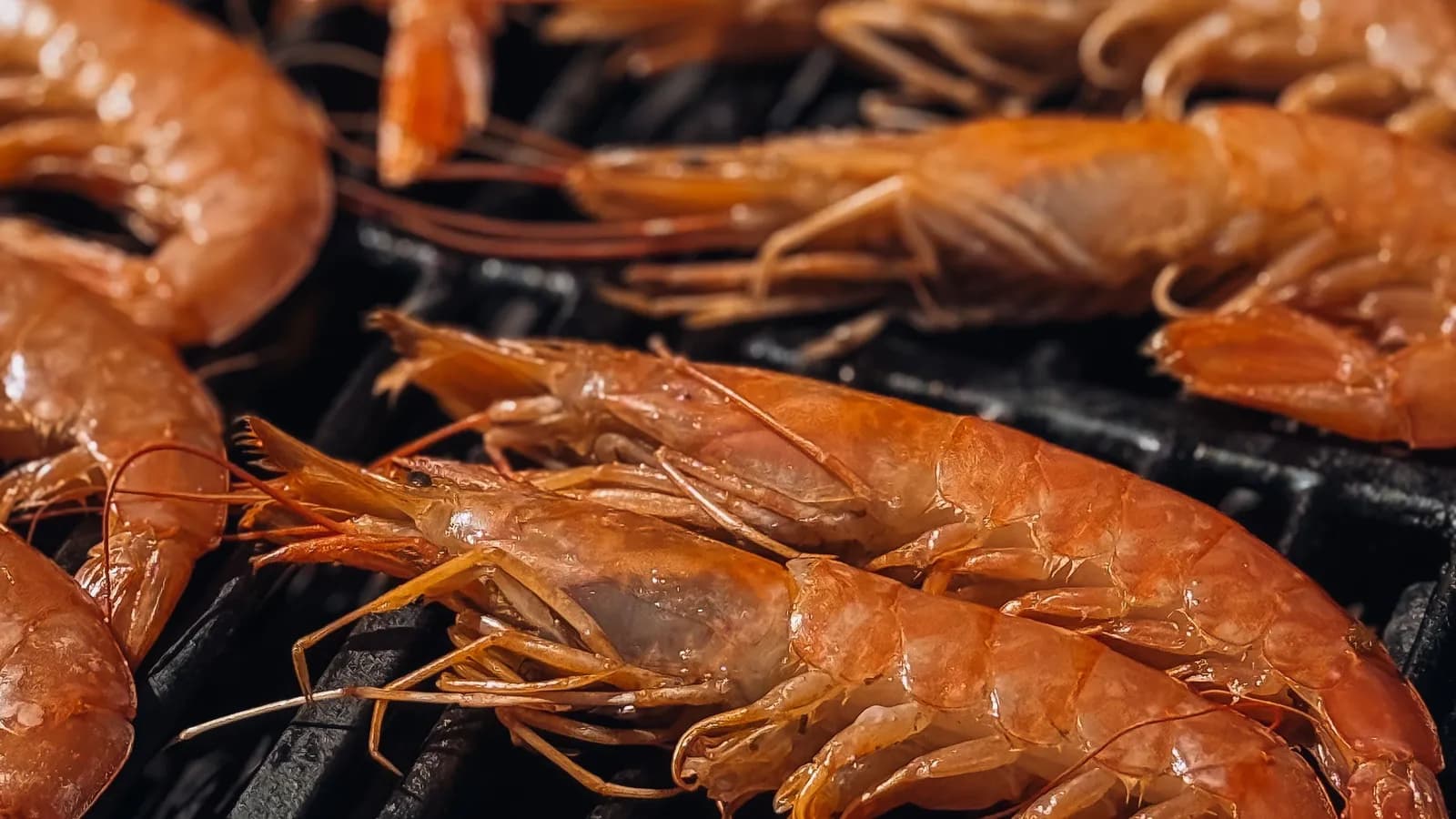
Red prawns over a screaming cast-iron plancha with sliced garlic, dried chilli and a generous pour of olive oil: 6 minutes of cooking, crisp shell and juicy flesh. The starter that opens any summer lunch on the terrace.
Quick answer
Red prawns are cooked on a screaming-hot iron griddle at 280 °C direct, shells on: 2 minutes per side turning once, plus a final minute with garlic and chilli. Six minutes total at most. They're ready when the flesh turns from translucent to opaque white and the tail curls. Serve immediately.
One big step at a time, screen kept on and built-in timers.
- Prep
- 10 min
- Cook
- 6 min
- Servings
- 4 servings
- Temperature
- 280 °C
What time do you want to eat?
Pick a time and we'll tell you when to start.
13:14
Start the prep
13:24
Light the kamado
13:44
Onto the kamado
14:00
Serve
Estimate: it includes lighting and settling the kamado plus a margin for large cuts. If the recipe asks you to marinate or salt ahead, add that time.
Fire setupDirect heat
- Dome
- 280 °C
- Deflector
- No
- Grate
- Standard height
- Bottom vent
- Open
- Top vent
- Open
- Fuel
- Charcoal, a generous bed
- Setup
- Iron griddle on the grate
Temperature curve
0:32 h from lighting
Kamado dome
| # | From | Phase | Dome |
|---|---|---|---|
| 1 | 0:00 | Light the charcoal | 20 → 280 °C |
| 2 | 0:20 | StabiliseGriddle red hot: a water drop vanishes instantly | 280 °C |
| 3 | 0:28 | Sear | 280 → 260 °C |
| 4 | 0:30 | CookTurn once; garlic and chilli into the juices for the last minute | 260 → 280 °C |
| 5 | 0:32 | Serve | off |
0:00 is the moment you light the charcoal. Internal temperatures are the ones the recipe gives; without a probe, go by the times. Turn these times into clock times with the planner
For this recipe
Ingredients
- large red prawns, fresh and whole (about 4 per person)16
- garlic cloves, thinly sliced4 cloves
- dried chilli (cayenne), split in two1
- extra-virgin olive oil from the Valencia region4 tbsp
- flaky sea salt, Maldon-style (to finish)1 pinch
- fresh parsley, chopped2 tbsp
- lemon in wedges (to serve)1
Another cut
Got a different cut? Here is how the recipe changes
For 4 people the recipe uses 1.44 kg (24 pieces) of large prawns: direct at 250 °C, 5 min no rest needed. If the shop had something else:
- CuttlefishBuy 1.5 kg
- Fire
- Direct · 260 °C
- Time
- 7 min
- Rest
- no rest
Same lighting time
Same direct fire, a touch hotter. At 260 °C, cleaned and opened in one piece, until the flesh is white and firm, not rubbery. No heads to suck.
- SardinesBuy 1.26 kg (21 pieces)
- Fire
- Direct · 250 °C
- Time
- 8 min
- Rest
- no rest
Same lighting time
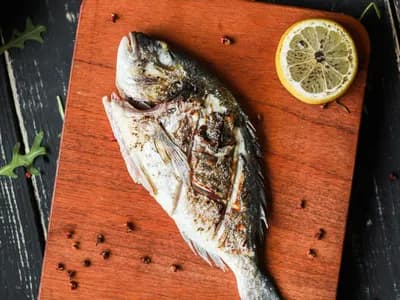
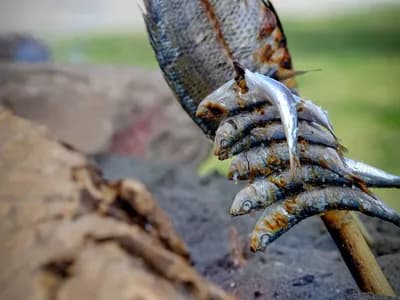
Fish instead of shellfish, with the same fire: direct at 250 °C, whole on the grate. Done when the white flesh lifts off the backbone. Coarse salt and little else.
Times are a guide, based on the How much to buy figures; follow the recipe first. Full fire plan for 4 people: Cuttlefish, Sardines.
Allergens
- Crustaceans
Based on the recipe's ingredients. Always check the label of every product you buy.
The gear for this recipe
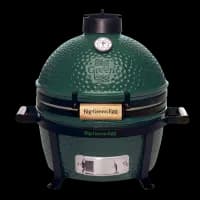 Big Green Egg MiniMaxThe MiniMax is more than enough for a quick starter of red prawns over direct heat for 4.
 Jealous Devil 100% White Quebracho lump charcoal 15.8 kgQuebracho that reaches and holds 280 °C of fierce heat to sear the shells.
 Lodge Square Cast Iron Griddle 11" (28 cm)
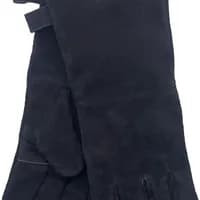 WMF BBQ Heat-Resistant Leather Gloves 40 cm (Pair)Handle the red-hot griddle and the lid at 280 °C safely.
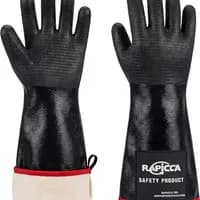 Rapicca XL Barbecue Gloves 43 cm
Method
- 01
Light and open wide
Light a generous bed of charcoal with no deflector. Open the bottom damper 80% and the top vent fully to bring the kamado to 280°C direct. Set the cast-iron plancha on the grate for the last 8-10 minutes so it reaches searing heat: a drop of water should vanish on contact.
- 02
Prep the prawns (don't peel)
Don't peel the prawns: the whole shell protects the flesh from the fierce heat and keeps the juices in. Pat them dry —surface water cools the plancha and steams them— and brush with a very thin film of olive oil. If the long antennae bother you, trim them with scissors, but leave the head and shell on.
- 03
Onto the plancha, first side
Lay the prawns on the glowing plancha without crowding them. You'll hear the sizzle immediately. Leave them 2 minutes untouched: the shell turns deep orange and a crust forms. Don't move them early —fidgeting breaks the sear and they leak water.
- 04
Flip once only
With curved tongs flip each prawn a single time and give it another 2 minutes on the second side. The flesh is done when it turns from translucent to opaque white and the tail curls slightly. Total time should not exceed 6 minutes: red prawns cook very fast and one extra minute dries them out.
- 05
Garlic and chilli in the juices
In the last minute, drop the sliced garlic and chilli to one side of the plancha, over the orange juice the heads have released. Pour in the rest of the olive oil. The garlic should turn golden, not burn —dark brown means bitter. Roll the prawns through that aromatic oil just before pulling them.
- 06
Plate and finish
Move the prawns to a warm dish and tip over the garlic, chilli and all the oil with the head juices. Flaky salt, fresh chopped parsley and a lemon wedge alongside. Serve at once, no resting: prawns are eaten straight away, the moment you can pick them up by hand.
About this recipe
Red prawns are short-fire shellfish: no indirect heat, no probes, no patience required. You want the kamado at 280°C direct, a cast-iron plancha properly hot and a mental six-minute timer. What makes this dish special is not the technique —it could not be simpler— but respect for timing: an overcooked prawn turns rubbery and loses all its charm. You nail it the moment you accept that the prawn is done sooner than you think.
Why fierce direct heat and nothing else
The red prawn (Aristaeomorpha foliacea or Aristeus antennatus, whichever is fresh at the market) is a small piece, fatty in the head and delicate in the tail. Over gentle heat it steams in its own juices and ends up bland; over fierce, fast heat the shell protects the flesh while it caramelises outside. That is why a flat-out kamado, bottom damper open 80% and top vent wide, is the perfect ally: the ceramic's thermal mass holds 280°C even when you lift the lid to flip. No deflector. No indirect zone. The prawn wants live fire and direct contact.
Cast-iron plancha versus the grate: the plancha wins
I have a firm opinion here after many summers in Torrevieja: for red prawns I prefer a cast-iron plancha to the open grate. The plancha holds the juice the heads release —that orange coral that is half the dish— and lets the garlic and chilli brown in that same juice instead of dripping onto the coals. The grate gives prettier bar marks but you lose the liquor. If a grate is all you have, run it flat out anyway and save the heads to suck on the side. The plancha wins on juiciness and on making the most of the prawn, which with expensive shellfish is no small thing.
The Mediterranean touch: garlic, chilli and olive oil
No long marinades, no sauces that smother. A good market red prawn tastes of the sea and that is exactly what you want to lift. Thinly sliced garlic browned in the oil, a split dried chilli, extra-virgin olive oil from the Valencia region (a local picual or arbequina more than does the job) and flaky salt at the end. A scatter of fresh chopped parsley off the heat and a wedge of lemon alongside. That is it. Everything else is clutter and competes with the product.
In 30 seconds
Kamado direct at 280°C, no deflector, cast-iron plancha glowing. Dry the prawns, a thread of olive oil. 2 minutes per side, flip once only. Drop the sliced garlic and chilli into the head juices in the last minute. Six minutes total, not one more: overcooked means rubbery. Do not peel before grilling —the shell protects the flesh. Suck the heads: the coral lives there, the best of the prawn. Finish with flaky salt, parsley and lemon.
Will it fit your kamado?
Small
33-40 cm · Joe Jr, MiniMax
Tight
The 28 cm griddle fits, but 16 prawns without crowding will probably need two batches.
Medium
46-51 cm · Classic, Large
Fits
With a larger griddle all of them probably fit in one batch.
Large
56-61 cm · Big Joe, XL
Fits
Room for a large griddle and a single batch.
What to serve with it
- Wine
- Alicante white or Brut Nature Cava
- Beer
- Ice-cold pilsner lager
- Alcohol-free
- Lightly sweetened mint lemonade
Leftovers and storage
- In the fridge
- Cooked shellfish: 1-2 days in the fridge, airtight, stored within 2 hours.
- Freezing
- Does not freeze well: the meat turns mealy. Freeze only heads and shells for stock.
- Reheating
- Best cold. If needed, a very hot pan for 30 seconds per side; any longer dries them.
- Using them up
- Peeled into scrambled eggs or a salad; heads and shells for a rice stock.
Cool and refrigerate within 2 hours. When in doubt, throw it out.
Leftover embers
You still have embers: what to do with the leftover heat
For 6 min at 280 °C in a classic kamado you load about 800 g of charcoal and burn 500 g: when you serve, about 350 g of live embers remain. Before you shut the vents, that is still enough for:
Without touching the vents
280 °Cfull heat, direct
20 minof embers
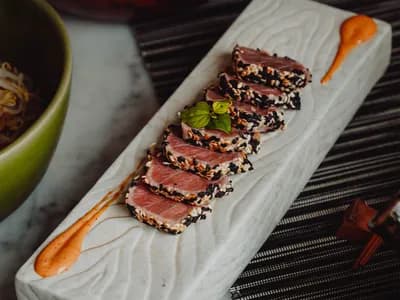
- Sesame-Crusted Seared Bluefin Tuna on the Kamado (Tataki)4 min · 280 °C
- Iberian pork tenderloin grilled with Pedro Ximénez glaze8 min · 280 °C
No recipe needed
- Pita or naan from shop dough, on the grate (2 min each)
- Whole peppers until the skin blackens, for peeling (8 min)
- Pineapple or peach slices, char-marked (3 min)
Closing the vents a little and waiting for it to drop
210-270 °Cgrilled vegetables
20 minof embers
- Charred Wild Green Asparagus on the Kamado8 min · 240 °C
- Grilled Watermelon with Feta, Mint and Balsamic Reduction10 min · 250 °C
- Bacon-Wrapped Dates on the Grill14 min · 210 °C
No recipe needed
- Strips of courgette and aubergine, char-marked (5 min)
- Pita or naan from shop dough, on the grate (3 min each)
- Halved tomatoes, cut side down, for a sauce (10 min)
Before opening the lid, crack it open for a few seconds first; if you raise the heat, stir the ash so the coals can breathe. And if you are not going to use them: once the food is out, close the bottom and top vents. The charcoal that does not burn (about 350 g) can be used next time. Different size of kamado? Work out your load for 30 min of fire, lighting included.
Editor's tips
- Freshness above all: buy the prawns the same day from the dock or a trusted fishmonger and get them to the kamado without dodgy thaws. The body should be firm, the head firmly attached and it should smell of clean sea, never of ammonia. With shellfish, the raw material is 90% of the dish.
- Don't crowd the plancha. Pile too many prawns together and the temperature drops, they release water and steam instead of searing. Two quick batches beat one overloaded round: cast iron recovers its heat in seconds between batches.
- Keep barbecue gloves handy. At 280°C direct, shifting the plancha or leaning in to flip is playing with literal fire. Heat-resistant gloves give you room to position the iron and work the tongs without rushing or burns.
Gear for this recipe
As an Amazon Associate, mikamado.es earns from qualifying purchases. At no extra cost to you.
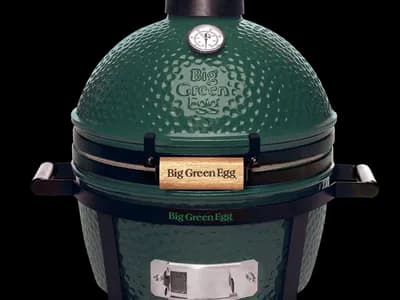
Big Green Egg MiniMax
The MiniMax is more than enough for a quick starter of red prawns over direct heat for 4.
€1,349

Jealous Devil 100% White Quebracho lump charcoal 15.8 kg
Quebracho that reaches and holds 280 °C of fierce heat to sear the shells.
€206
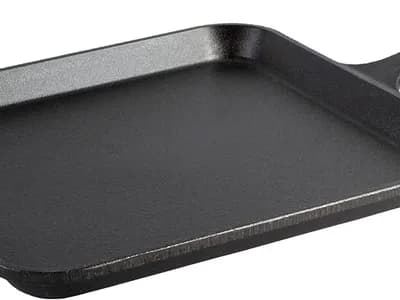
Lodge Square Cast Iron Griddle 11" (28 cm)
€51
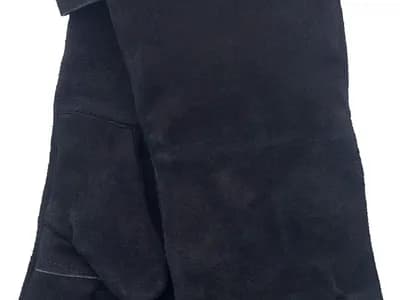
WMF BBQ Heat-Resistant Leather Gloves 40 cm (Pair)
Handle the red-hot griddle and the lid at 280 °C safely.
€29
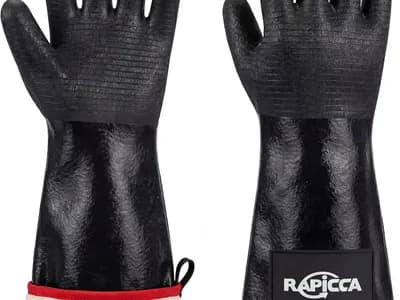
Rapicca XL Barbecue Gloves 43 cm
€50
Have you made it?
Tell us how it turned out on your kamado. We review every rating before publishing it.
No published ratings yet. Be the first!
FAQ
At what temperature and for how long do you grill red prawns?
Fierce direct heat, around 280°C, no deflector. Total time is about 6 minutes: 2 minutes per side, flipping once, plus the last minute with the garlic and chilli. The signal they're ready is the prawn, not the clock: the flesh goes from translucent to opaque white and the tail curls slightly. Past 6 minutes it starts to dry out and turn rubbery. With small shellfish, slightly under is always better than over.
Cast-iron plancha or open grate for red prawns?
For red prawns I go with the cast-iron plancha. It holds the orange head juices —half the flavour— and lets you brown garlic and chilli in that same juice instead of losing it through the coals. The open grate gives prettier marks and a smoky note, but the liquor escapes. If a grate is all you have, run it flat out anyway and save the heads to suck on the side. The plancha wins on juiciness and on wasting nothing.
Should you peel or clean the prawn before grilling?
Don't peel before cooking. The whole shell is a shield: it protects the flesh from the fierce heat, holds moisture and concentrates flavour. Peeling first guarantees a dry prawn. You don't need to devein small, fresh prawns either, though if it bothers you a shallow cut along the back with scissors does the job. Do pat the surface dry before the plancha: excess water cools the iron and steams the shellfish instead of searing it.
How do I keep the shellfish from going dry or rubbery?
The only real enemy of a prawn is overcooking. Three rules: don't peel first (the shell protects), don't exceed 6 minutes total, and flip only once. Watch the flesh, not the clock —the moment it goes from translucent to opaque white, it's done. Fierce, fast heat is your ally, not your enemy: it sears outside while the inside stays juicy. And don't let them sit on a cold platter: kamado to table, straight.
Which heads to suck and how to make the most of the prawn juices?
Sucking a red prawn's head isn't bad manners, it's compulsory: that's where the orange coral and fatty juice live, the tastiest part of the prawn. Press the head to your mouth and slurp. To lose nothing, cook on the plancha and tip all the juice left behind back over the prawns at the end. That orange oil with garlic and coral is liquid gold: dunk bread in it, use it for a rice the next day, or reduce it into an express sauce. Throwing away a red prawn's heads is a culinary sin.
Can I make this recipe with a different cut instead of large prawns?
Cuttlefish and sardines keep the hot direct fire and cook in minutes like the prawns. The cue changes: cuttlefish white and firm, sardines lifting off the bone. Watch the flesh, not the clock.
What do I do with the embers left after making Red prawns over live fire on the kamado in 6 minutes?
After 6 min at 280 °C in a classic kamado about 350 g of live embers remain: 20 min more at 280 °C without touching the vents or 20 min at 210-270 °C closing the vents. If you are not going to use them, close both vents and keep the charcoal for next time.
More kamado recipes
KEEP READING
Go deeper on this dish
- Recommended kamado
Big Green Egg MiniMax
The MiniMax is more than enough for a quick starter of red prawns over direct heat for 4.
- Editorial guide
How to light a kamado: the step-by-step method
No petrol, no weird tablets and no 45-minute waits. The cone method, airflow control and the mistakes that prevent 80% of the frustration.
- Glossary term
Heat deflector
Ceramic plate placed between the coals and the grate to turn direct fire into indirect cooking.
- Related comparison
big green egg minimax vs kamado joe joe jr
The portable-kamado derby for small terraces, beach houses or campervan trips. The MiniMax weighs 35 kg and includes th…