Recipe · Direct · Medium
Butterflied sea bream on the kamado, with garlic, chilli and lemon refrito
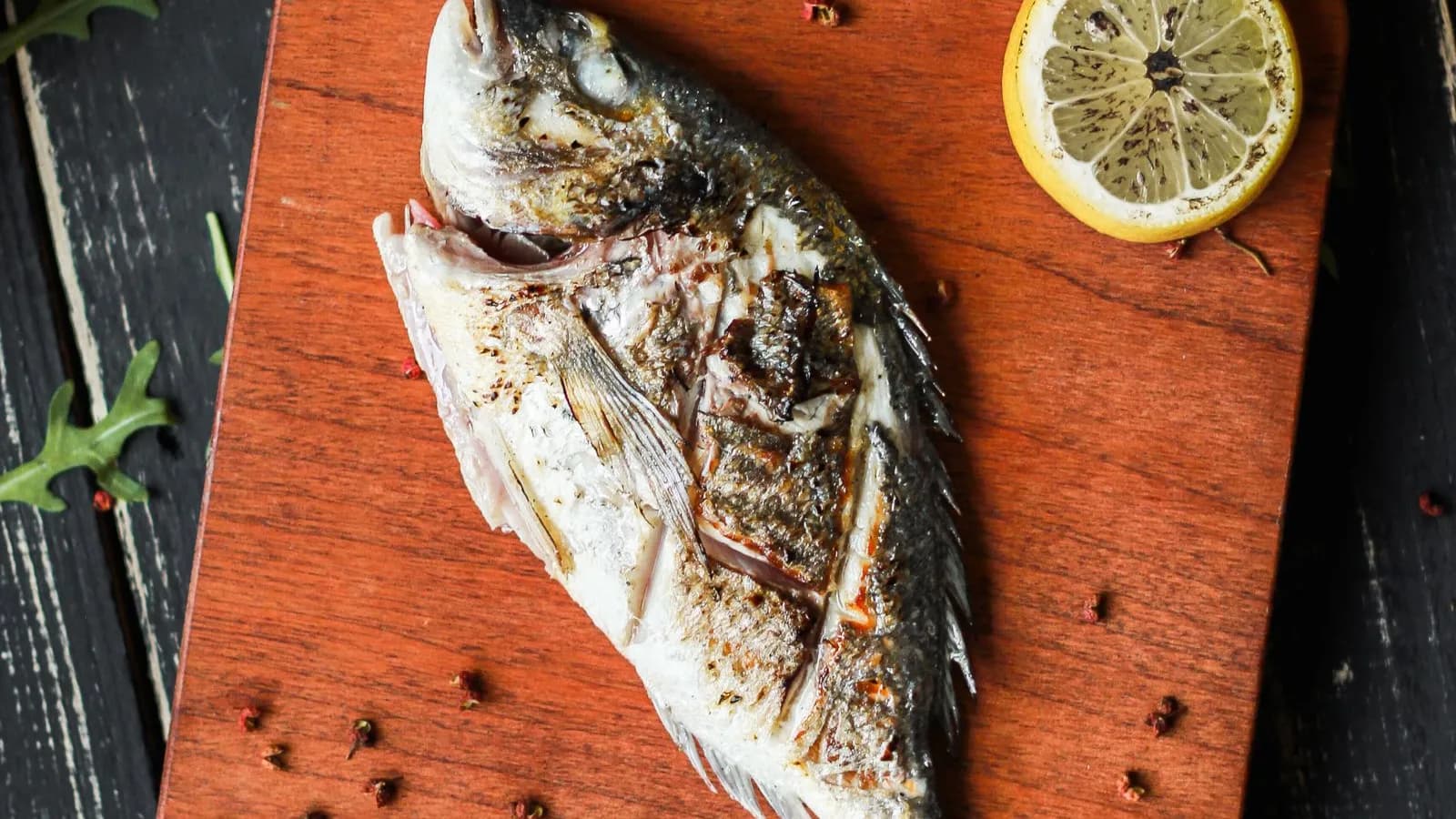
Sea bream butterflied open over direct coals, skin down first, finished with a hot garlic, chilli and lemon refrito. Mediterranean fish off Torrevieja, ready in 18 minutes. Serves 2.
Quick answer
Butterfly the bream and cook it on a direct kamado at 220°C over a hot griddle or basket: skin down 12-14 min, untouched, until crisp and self-releasing, then a short 2-3 min flip onto the flesh to 55-58°C at the loin. Spoon over a garlic, chilli, olive-oil and lemon refrito as it comes off. 18 min, serves 2.
- Prep
- 15 min
- Cook
- 18 min
- Servings
- 2 servings
- Temperature
- 220 °C
Ingredients
- portion sea bream (350-450 g each), butterflied by your fishmonger2 ud
- extra-virgin olive oil (3 for the fish, the rest for the refrito)6 cda
- garlic cloves, thinly sliced4 ud
- dried chilli (cayenne), whole or in rings1 ud
- lemon (half juiced for the refrito, half in wedges to serve)1 ud
- sherry vinegar (alternative or complement to the lemon)1 cda
- chopped fresh parsley1 puñado
- flaky salt (plus fine salt to season the inside)1 cdita
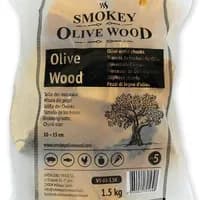
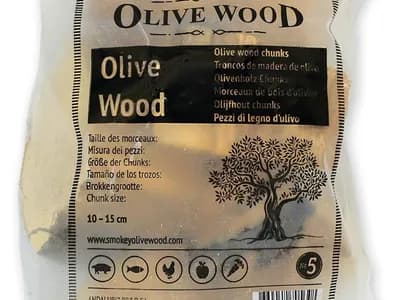
- olive-wood chunks (soft Mediterranean smoke, optional)2 ud
- freshly ground black pepper1 pizca
Method
- 01
Light direct and heat the griddle to 220°C
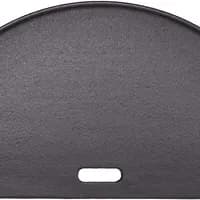
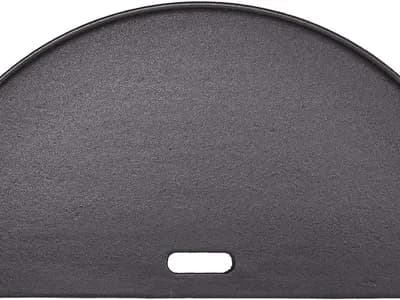
Light the charcoal for direct cooking (no deflector) and, if you want smoke, drop the two olive-wood chunks on the coals. Set the half-moon griddle or grilling basket on the grate and let it heat with the kamado to 220°C. The metal must be properly hot before the fish goes on: a lukewarm griddle is what makes the skin stick.
- 02
Prep and season the butterflied bream
Pat the butterflied bream very dry with paper, especially the skin: moisture is the enemy of crispness. Season the flesh side with fine salt and a little pepper, and brush the whole surface, skin included, with a couple of tablespoons of olive oil. A dry, lightly oiled skin is the one that turns to crisp paper on the hot griddle.
- 03
Cook skin down untouched, 12-14 min
Lay the bream skin down on the hot griddle and close the lid. Don't move them: the dome heat cooks the flesh bottom-up while the skin sears and golds. After 12-14 minutes the flesh will be almost done, opaque, and the skin crisp. You'll know it's ready because, when you try to lift it, the bream releases cleanly from the metal; if it resists, give it another minute.
- 04
Short flip onto the flesh, 2-3 min
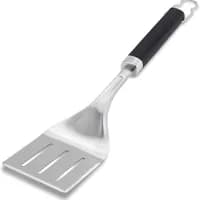
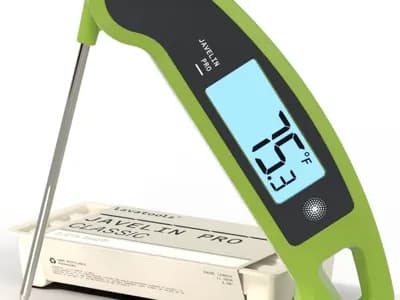
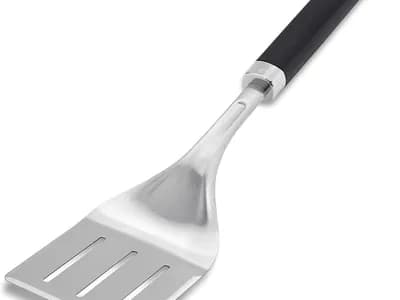
With a wide spatula (or by turning the whole basket), flip the bream and mark them on the flesh side for just 2-3 minutes, enough to gild the surface and finish the centre. The flesh should stay juicy, at 55-58°C at the thickest part of the loin: it flakes but stays glossy. Don't overcook it or it will dry out.
- 05
Make the garlic-and-chilli refrito
While the fish finishes, heat the rest of the olive oil in a small pan over medium heat. Add the garlic slices and the chilli and brown them slowly until the garlic is just blond and fragrant, never letting it scorch (burnt garlic makes the whole refrito bitter). Take it off the heat at that point: the residual warmth finishes browning it.
- 06
Finish with vinegar or lemon off the heat
With the pan off the heat but still hot, add the sherry vinegar and/or the juice of half a lemon: it will erupt and crackle, which is exactly what you want. That acid hit at the end cuts the richness of the garlic and lifts the whole dish. Keep the refrito hot to pour over the fish the moment you serve it.
- 07
Plate up and serve sizzling
Transfer the bream to plates carefully, skin up to show off the crisp. Pour the hot refrito over the top —it will sizzle on contact with the fish—, scatter chopped parsley and flaky salt, and serve with the lemon wedges. Serve at once: crisp skin is fleeting and softens as soon as the fish cools.
About this recipe
Butterflied sea bream, *a la espalda*, is the dish that best sums up this coast: a whole fish opened flat, the crisp skin against the coals and a garlic-and-chilli refrito spooned over sizzling as you serve. On the kamado it works even better than on an open grill, because the enveloping heat cooks the flesh from above while the direct 220°C coals sear the skin below: you skip the flip, which is exactly when a bream falls apart. The secret isn't the recipe —it's four ingredients— it's treating the grate like a screaming-hot griddle and not touching the fish until it releases on its own.
Butterfly it open and start skin down
Opening the bream like a book —along the back, kept whole and flat with the spine splayed up— is what gives the dish its name and what lets you cook it almost without turning it. It goes skin down first, straight onto a hot griddle or basket, for 80% of the time: the skin turns to crisp paper while the flesh cooks bottom-up under the kamado's dome heat. Only at the end, a short hit on the flesh side to mark it. Skin down is also your non-stick insurance: a hot griddle and oily skin don't bond, whereas bare flesh on iron grabs and tears.
Griddle or basket: why not straight onto the grate
A butterflied bream on the grate bars is a recipe for disaster: the skin slips between the bars, sticks, and as you lift it the fillet stays on the metal. That's why I send you a half-moon griddle or a grilling basket for fish. The griddle gives the crispest skin and an even gold; the basket is more forgiving and lets you flip the whole fish at once without breaking it. Both solve the same problem: getting the bream to the plate in one piece. Oil the surface and heat it with the kamado —never lay fish on cold metal.
The refrito and the olive smoke: the Levante touch
The refrito is what turns a decent bream into a memorable one: extra-virgin olive oil, slices of garlic browned but not burnt, one dried chilli and, off the heat, a splash of sherry vinegar or lemon that erupts in the hot pan. It goes over the fish the moment it comes off, sizzling. For smoke, a couple of olive-wood chunks on the coals add a soft Mediterranean background that flatters the bream without smothering it: olive is the wood of this coast and respects fish better than any strong fruit wood. Fish from the Torrevieja sea, garlic, chilli and lemon: nothing more, and nothing less.
In 30 seconds
Kamado direct at 220°C with a griddle or basket screaming-hot and oiled, a couple of olive-wood chunks on the coals. Butterflied bream, salted and oiled. In skin down for 12-14 min, untouched until the skin is crisp and releases on its own; short flip onto the flesh for 2-3 min. Meanwhile the refrito: olive oil, sliced garlic browned, chilli; off the heat, sherry vinegar or lemon. Spoon it sizzling over the bream as it comes off. Flesh at 55-58°C at the loin. Serves 2.
Editor's tips
- Skin down is your insurance against disaster. A butterflied bream on the grate bars almost always sticks and tears on the flip; on a hot griddle or basket, skin down, the skin's own fat releases it by itself. Never force the fish: if it resists when you try to lift it, it isn't sealed yet. Wait, give it another minute and it will come away clean. That patience is the difference between serving a whole bream and serving flakes.
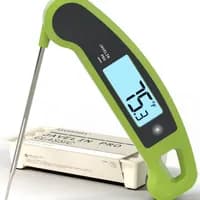
- Measure temperature, not the clock. A portion bream cooks in 18 minutes, but weight and thickness vary, and an overcooked fish is dry and unrecoverable. Sink an instant-read thermometer into the thickest part of the loin: at 55-58°C it's perfect, juicy and flaking. No probe? Part the flesh beside the spine with a knife tip: it should be opaque and lift easily, yet still glossy. The moment you're unsure, pull it: residual heat finishes the cooking on the plate.
- The refrito's garlic browns, it doesn't burn. The line between blond, fragrant garlic and burnt, bitter garlic is seconds wide, and burnt garlic ruins the whole refrito no matter how good the oil and lemon. Work over medium heat, not high, and pull the pan off when the garlic is just gold: residual heat finishes it without overshooting. And always add the vinegar or lemon off the heat, because it spits as it erupts and because acid straight over the flame loses its freshness.
Gear for this recipe
As an Amazon Associate, mikamado.es earns from qualifying purchases. At no extra cost to you.
FAQ
How do I stop the bream sticking and tearing on the kamado?
Three things solve 90% of the disasters. First, never put it straight on the grate bars: use a half-moon griddle or a grilling basket, where the skin rests on a continuous surface and doesn't slip between the bars. Second, heat that metal well with the kamado at 220°C and oil it before the fish goes on; a lukewarm surface is what sticks. And third, always start skin down and don't touch the bream until it releases by itself: the skin's own fat acts as a non-stick once it's seared, so if it resists when you lift it, it isn't ready. Force the fish early and half the fillet stays on the iron; be patient and it comes off whole.
Half-moon griddle or grilling basket: which is better for bream?
Both solve the underlying problem —keeping the fish off the bars— but give different results. The cast-iron griddle gives the crispest skin and the most even gold, because contact is total and it holds a lot of heat; in exchange, flipping a butterflied bream on the griddle takes a steady hand and a wide spatula. The grilling basket is more forgiving: it cages the fish between two grids and lets you turn it whole in one motion with no risk of breaking, ideal if you're cooking for several or it's your first time. My order of preference for a butterflied bream is griddle if you want the crispest skin and have the flip down, basket if you prioritise not breaking the fish. Either one is infinitely better than the bare grate.
Do I need to smoke the bream or is the fire enough?
You don't need to, and the dish is excellent on the fire alone: good charcoal already gives a clean roasted background that's plenty. That said, a couple of olive-wood chunks on the coals add a soft Mediterranean smoke that suits the bream well without smothering it, and it's the most honest nod to the Levante: olive is the wood of this coast. The key with fish is restraint: olive is ideal because it's delicate and respectful; avoid strong woods like mesquite, hickory or holm oak, which steamroll a fine fish and leave it bitter and over-smoked. When in doubt, use no wood or very little: a well-grilled bream over good coals, with its garlic-and-lemon refrito, needs nothing more to be memorable.
What other fish can I cook a la espalda with this same technique?
Almost any portion or medium fish you can butterfly works just as well. Sea bass is the bream's direct cousin and behaves exactly the same: same technique, same times. Bream relatives like white seabream, pandora, red seabream and larger gilthead want a minute or two more per side depending on thickness. For bigger fish, like a generous half-kilo bass or a large red seabream, drop the temperature a touch to 200°C and lengthen the skin-down time so the centre cooks through without scorching the skin. The thermometer at 55-58°C at the loin stays your universal guide whatever the fish. The only thing that changes is the time; the technique —butterfly open, skin down on a hot griddle, refrito at the end— is the same for the whole family.
What do I serve with butterflied sea bream?
The dish calls for simple, Mediterranean sides that don't compete with the fish. The timeless classic is some baker's potatoes roasted in the kamado itself while it stabilises, or padrón peppers and green asparagus run over the same hot griddle just before the bream. A garden-tomato salad with spring onion and olive oil, or some roasted peppers, balance the refrito's richness with freshness and acidity. To drink, a dry Mediterranean white —a verdejo, a godello or an albariño— or a fresh local rosé pair beautifully. And don't forget bread: good rustic bread to mop up the garlic-and-lemon refrito left on the plate is, for many, the best part of the meal.
More kamado recipes
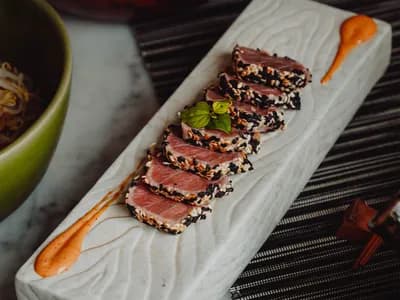
Sesame-Crusted Seared Bluefin Tuna on the Kamado (Tataki)
A bluefin tuna loin rolled in sesame and seared 30-45 seconds per side over a screaming-hot kamado: a toasted crust outside, a raw, juicy core, and a soy, ginger and lime sauce that wakes it all up.
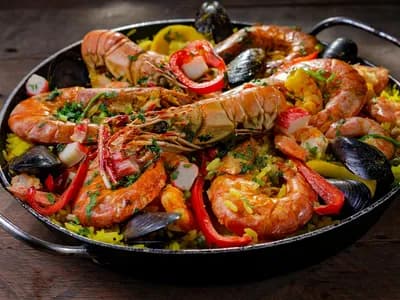
Arroz a banda on the kamado, fisherman's socarrat
Alicante-style arroz a banda in a paella pan over the kamado grate: a rockfish fumet, a long sofrito and a textbook final socarrat.
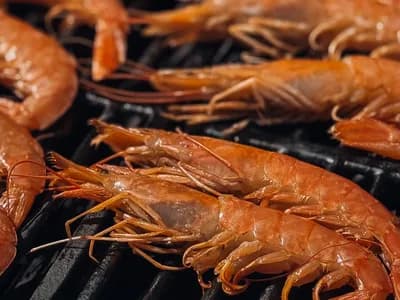
Red prawns over live fire on the kamado in 6 minutes
Red prawns over a screaming cast-iron plancha with sliced garlic, dried chilli and a generous pour of olive oil: 6 minutes of cooking, crisp shell and juicy flesh. The starter that opens any summer lunch on the terrace.
KEEP READING
Go deeper on this dish
- Recommended kamado
Smokey Olive Wood Olive Wood Chunks 1.5 kg
Mediterranean olive in 5-15cm chunks, sweet and mild
- Recommended kamado
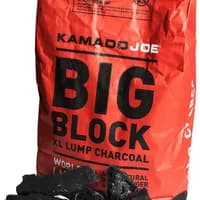
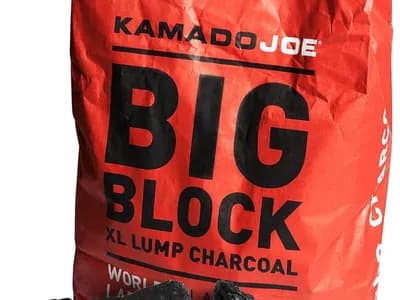
Kamado Joe Big Block XL lump charcoal 9.1 kg
Argentinian blend (guayacán, mistol, quebracho), 18h, reusable
- Editorial guide
How to light a kamado: the step-by-step method
No petrol, no weird tablets and no 45-minute waits. The cone method, airflow control and the mistakes that prevent 80% of the frustration.
- Glossary term
Heat deflector
Ceramic plate placed between the coals and the grate to turn direct fire into indirect cooking.
- Related comparison
big green egg large vs kamado joe classic iii
The classic kamado matchup: the Big Green Egg Large, the indestructible pioneer with the widest accessory network, agai…