Recipe · Direct · Easy
Grilled peaches with honey and vanilla ice cream on the kamado
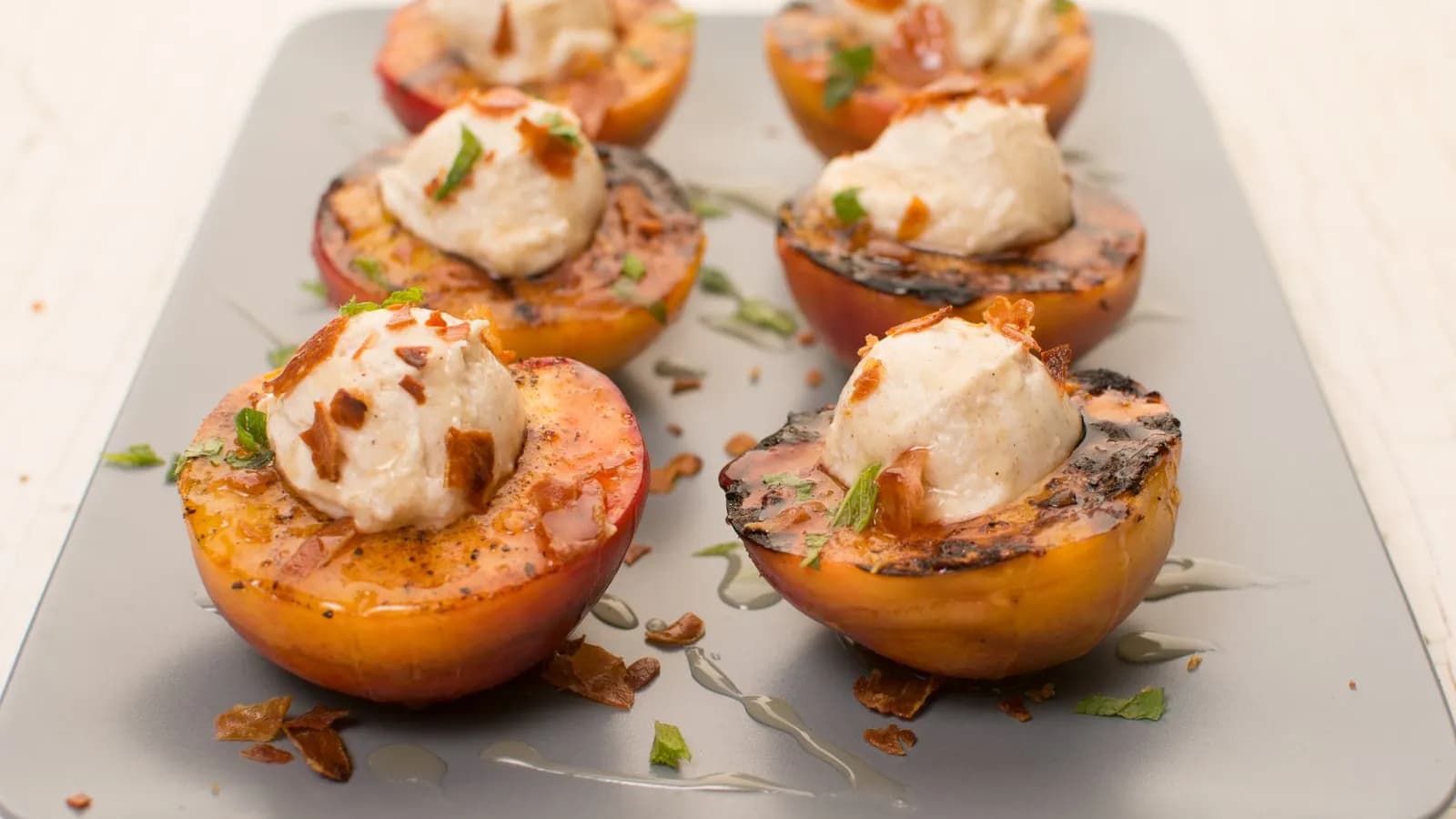
Peach halves with golden grill marks, a thread of honey, thyme and a quenelle of vanilla ice cream. Eight minutes over direct heat and you have the kamado's summer dessert.
Quick answer
Sear the peach halves cut-side down on a stone at 210 °C direct, 4-5 minutes without moving them, then 2-3 more minutes on the skin side. Glaze with honey off the heat and serve them hot alongside a scoop of cold vanilla ice cream, never on top, so the contrast lasts.
- Prep
- 10 min
- Cook
- 8 min
- Servings
- 4 servings
- Temperature
- 210 °C
Ingredients
- ripe but firm peaches (or nectarines), halved and pitted4 ud
- melted butter (or 1 tbsp mild oil) to brush the cut face20 g
- brown sugar (helps caramelise the cut face)1 cda
- orange-blossom or rosemary honey3 cda
- fresh thyme sprigs4 ramitas
- orange (zest; a splash of juice optional)1 ud
- flaky sea salt, Maldon-style (to finish, balances the sweetness)1 pizca
- good vanilla ice cream (or whipped mascarpone / Greek yoghurt with honey)4 bolas
- toasted flaked almonds (optional, for a Mediterranean crunch)30 g
Method
- 01
Choose and prep the fruit
Use peaches that are ripe but firm: they should give a little when pressed without being soft. Halve them along the natural seam, twist the two halves in opposite directions and lift out the stone. If it clings, ease it out with a spoon. Overripe fruit falls apart on the stone; an underripe one will not caramelise.
- 02
Set the kamado for direct heat and preheat the stone
Light the charcoal with no deflector, set up for direct heat, and stabilise the ceramic at 210°C. Sit the soapstone or cast-iron griddle on the grate and let it heat for 10 minutes along with the kamado. A smooth, properly hot surface is what stops the peach sticking and dripping juice onto the coals.
- 03
Brush and sugar the cut face
Brush the cut face of each half with melted butter (or oil) and dust on a touch of brown sugar. The fat carries the heat in the first seconds and helps it mark; the sugar speeds up the surface caramelisation and gives that golden sheen. Hold off on the honey for now: at this temperature it would scorch and turn bitter.
- 04
Mark the cut face, 4-5 minutes
Lay the halves cut-side down on the stone at 210°C and leave them alone for 4-5 minutes. Patience is everything: move the fruit too early and you will tear off the caramelised flesh. They are ready when they lift on their own and show dark golden marks, not black ones.
- 05
Flip to the skin side, 2-3 minutes
Flip them with tongs and give them 2-3 minutes on the skin side so the flesh warms through without falling apart. In the last minute drop a sprig of thyme on the stone next to the fruit: it toasts and perfumes them. Pull them off when the flesh is tender but still holds its shape.
- 06
Glaze with honey off the heat
Move the peaches to a plate and drizzle the cut face with a thread of honey and a little orange zest. The fruit's residual heat melts the honey without scorching it. Glazing off the heat is what keeps the honey glossy and fragrant instead of bitter and burnt.
- 07
Serve hot with cold ice cream
Serve two halves per person on a pale ceramic plate, still hot. Shape a quenelle of vanilla ice cream with two spoons and set it alongside, not on top, so the hot-cold contrast lasts. Finish with fresh thyme, toasted flaked almonds and a pinch of flaky salt. Eat right away, before the ice cream gives up.
About this recipe
Grilled peaches are the most honest dessert that comes off a kamado in summer: five minutes of prep, eight of cooking and a result that looks like it came from a restaurant. It is also the rare dessert you cook over direct heat rather than indirect — we are not baking here, we are caramelising. The dry heat of the ceramic melts the fruit's natural sugar on the cut face and leaves golden grill marks that add a toasty, almost-toffee depth no raw peach has. Honey, thyme, a scoop of ice cream, and you are done.
Why this dessert goes over direct heat (not indirect)
Almost every kamado dessert calls for a deflector and indirect heat, because sugar and butter scorch over flame. This is the exception: the peach is already 'cooked' inside, we only want to brown the cut face and caramelise its surface sugars, not bake the fruit. That is why it sits over direct heat, on a moderate ceramic at 210°C — not a searing inferno, not a gentle oven. At that temperature the flesh sugars react in 4-5 minutes without the fruit collapsing or the outside charring before it marks. Push to 300°C and the sugar turns bitter; drop below 180°C and it never marks, the peach just stews soft.
A smooth surface changes everything
The classic peach-on-the-grate problem is that the fruit sticks, drips juice and honey onto the coals, and leaves half its face stuck to the bars when you flip it. The fix is to cook it on a smooth, hot surface — a soapstone or a cast-iron griddle. The stone holds the temperature, lays down clean golden lines and, above all, catches the honey and juice that would otherwise burn on the coals and turn the smoke bitter. Preheat it 10 minutes with the kamado: a cold stone is a guarantee the peach will stick.
The Mediterranean touch: honey, thyme, orange
Here on the Costa Blanca the peaches from Cieza (an hour from Torrevieja) arrive at their peak in June, and I work them with what is close at hand: orange-blossom or rosemary honey, a sprig of fresh thyme and a hit of orange zest. The thyme, toasted a second on the stone, perfumes without taking over; the honey turns darker and more complex as it warms. For the cold contrast, real vanilla ice cream — or, if you want something sharper and less sweet, a spoonful of whipped mascarpone or Greek yoghurt with a little honey. The hot grilled peach against the cold cream is the whole point of the plate.
In 30 seconds
Ripe but firm peaches halved and pitted. Brush the cut face with butter or a little oil and a touch of brown sugar. Kamado direct, 210°C, on a preheated soapstone or cast-iron griddle (10 min). Cut side down 4-5 min untouched, until golden marks; flip 2-3 min on the skin side. Off the heat, a thread of honey + thyme, and to serve a quenelle of vanilla ice cream (or mascarpone / Greek yoghurt). Serves 4, 8 min of cooking.
Editor's tips
- The ripeness of the fruit is everything. An overripe peach turns to jam the moment it touches the stone; an underripe one has no sugar to caramelise and stays sharp and tough. Look for fruit that gives slightly under your thumb but still holds its shape when you halve it. If all you have are slightly green peaches, give them a day in a paper bag with a banana.
- Never put honey on the fruit inside the kamado. Honey starts to burn at around 150°C, and at 210°C it turns bitter in seconds, on top of dripping onto the coals and smoking the dessert badly. Brush on butter and sugar to mark the fruit, and save the honey to glaze off the heat, with the residual warmth. That is the difference between a glossy dessert and one with a burnt aftertaste.
- If you have neither a stone nor a griddle, you can grill straight on a clean, hot grate brushed with oil, but accept that you will lose some flesh when flipping and that the honey and juice will fall onto the coals. A halfway trick: a double sheet of foil over the grate, though you will not get lines as clean as with soapstone.
Gear for this recipe
As an Amazon Associate, mikamado.es earns from qualifying purchases. At no extra cost to you.
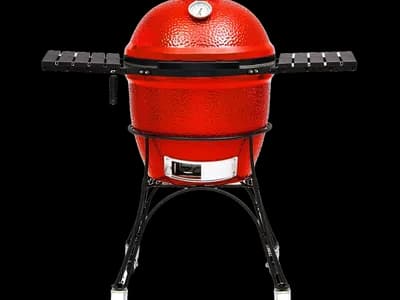
Kamado Joe Classic II 18"
El Classic II 18" va sobrado para asar las mitades de melocoton al directo
€1,399
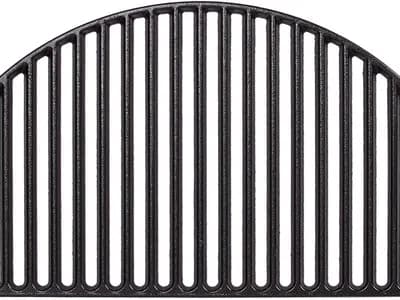
Kamado Joe half-moon cast iron grate (Classic)
Rejilla de hierro fundido para marcar lineas de parrilla bien definidas
€70
TODOBRASA Premium Marabú Charcoal 10 kg
Carbon que da brasa viva para caramelizar en 8 minutos
€49
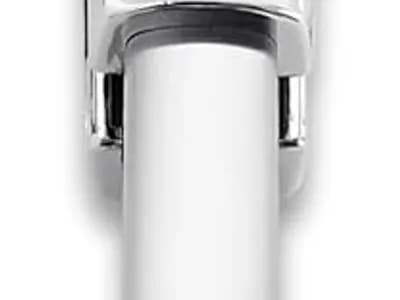
Weber Precision Tongs 46 cm (6760)
Girar las mitades de melocoton sin romper la pulpa
€28
FAQ
Which peach or nectarine variety holds up best on the grill?
Firm-fleshed, freestone varieties are ideal, because they pit cleanly and do not collapse with the heat. A yellow peach with dense flesh —like the Cieza one, which here in Murcia and on the Costa Blanca peaks between June and August— holds up perfectly. The nectarine does even better: less fuzz, thinner skin and slightly denser flesh, so it marks cleanly and releases less juice. Steer clear of the flat doughnut peach (very flat and soft) and any mealy or overripe fruit, which turns to jam the moment it touches the hot stone.
How do I stop the peach from sticking to the grate?
Three things, in order of importance. First, cook on a smooth, preheated surface —a soapstone or a cast-iron griddle— instead of the grate: the fruit will not slip between the bars or leave its face stuck when you flip it. Second, brush the cut face with a little fat (butter or oil) before marking. And third, most important of all: do not touch it. The peach releases on its own once the cut face is caramelised; try to move it at the two-minute mark and you will tear off the flesh. When it lifts without resistance, it is ready to flip.
What is the exact point: cooked through but still firm?
You are after fruit that is hot and tender inside, with a caramelised cut face, but that still holds its shape when you pick it up with tongs. It is about 7-8 minutes total: 4-5 cut-side down until dark golden marks, and 2-3 on the skin side. The test is visual and tactile: the flesh should have gone from matte to glossy and give a little when you press with the tongs, but without collapsing. If it runs and falls apart, you have overdone it; if it is still stiff and pale in the centre, it needs a couple more minutes. Remember the residual heat keeps softening it a little off the fire.
What pairs best with grilled peach: ice cream, mascarpone or Greek yoghurt?
It depends on the balance you are after. Vanilla ice cream is the classic and the most indulgent: the hot-cold contrast and the dairy fat round off the acidity of the fruit and the honey. Whipped mascarpone (with a little honey and orange zest) is richer and more elegant, ideal if you want something for a Sunday lingering at the table. Greek yoghurt is the best bet when the dessert closes a heavy meal: its acidity cuts the sweetness of the honey and lightens the plate, and with a thread of honey on top it is spot on. All three work; always serve the cold cream beside the hot peach, never mixed in, so the temperature contrast lasts to the last bite.
Can I make it with canned peaches when they are out of season?
Yes, and it is a perfectly valid fallback out of season, with some caveats. Use canned peach halves in syrup, drain them very well and pat them dry with paper: excess liquid stops them marking. Since they are already cooked and sweet, they need less time —2-3 minutes on the cut face, just enough to warm through and caramelise the surface— and skip the extra sugar, they have plenty already. The result is softer and less fragrant than with fresh Cieza fruit in July, but with good honey, thyme and quality ice cream it makes a more than respectable dessert for a winter's day. Avoid peaches in watery juice: the ones in dense syrup mark far better.
More kamado recipes
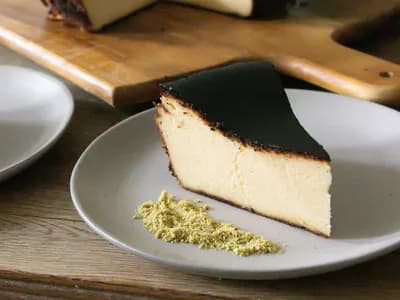
Burnt Basque cheesecake on the kamado, creamy inside
La Viña on the kamado: a near-burnt mahogany top and a wobbly, creamy centre. Indirect at 210°C, the Basque cheesecake that beats the home-oven version.
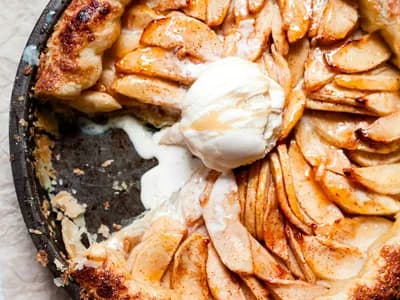
Apple tarte Tatin in a dutch oven on the kamado, golden caramel
Caramelised apples in a cast-iron dutch oven, golden puff pastry and an amber caramel that runs as you flip it. Indirect at 190°C: the tarte Tatin that earns applause.
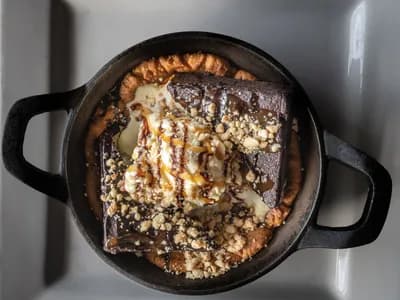
Smoked skillet brownie on the kamado, fudgy centre
Chocolate brownie baked in a cast-iron skillet over indirect heat, with a veil of apple-wood smoke. Crackled crust, fudgy centre and a hint of orange. Serves 10.
KEEP READING
Go deeper on this dish
- Recommended kamado
Kamado Joe Classic II 18"
El Classic II 18" va sobrado para asar las mitades de melocoton al directo
- Editorial guide
How to light a kamado: the step-by-step method
No petrol, no weird tablets and no 45-minute waits. The cone method, airflow control and the mistakes that prevent 80% of the frustration.
- Glossary term
Heat deflector
Ceramic plate placed between the coals and the grate to turn direct fire into indirect cooking.
- Related comparison
kamado joe classic ii vs kamado joe classic iii
The most-asked question on r/kamadojoe: do I pay the Classic III premium for the SlōRoller, or stick with the Classic I…