Recipe · Direct · Easy
Grilled provolone on the kamado with tomato, oregano and olive oil, in a cast-iron skillet
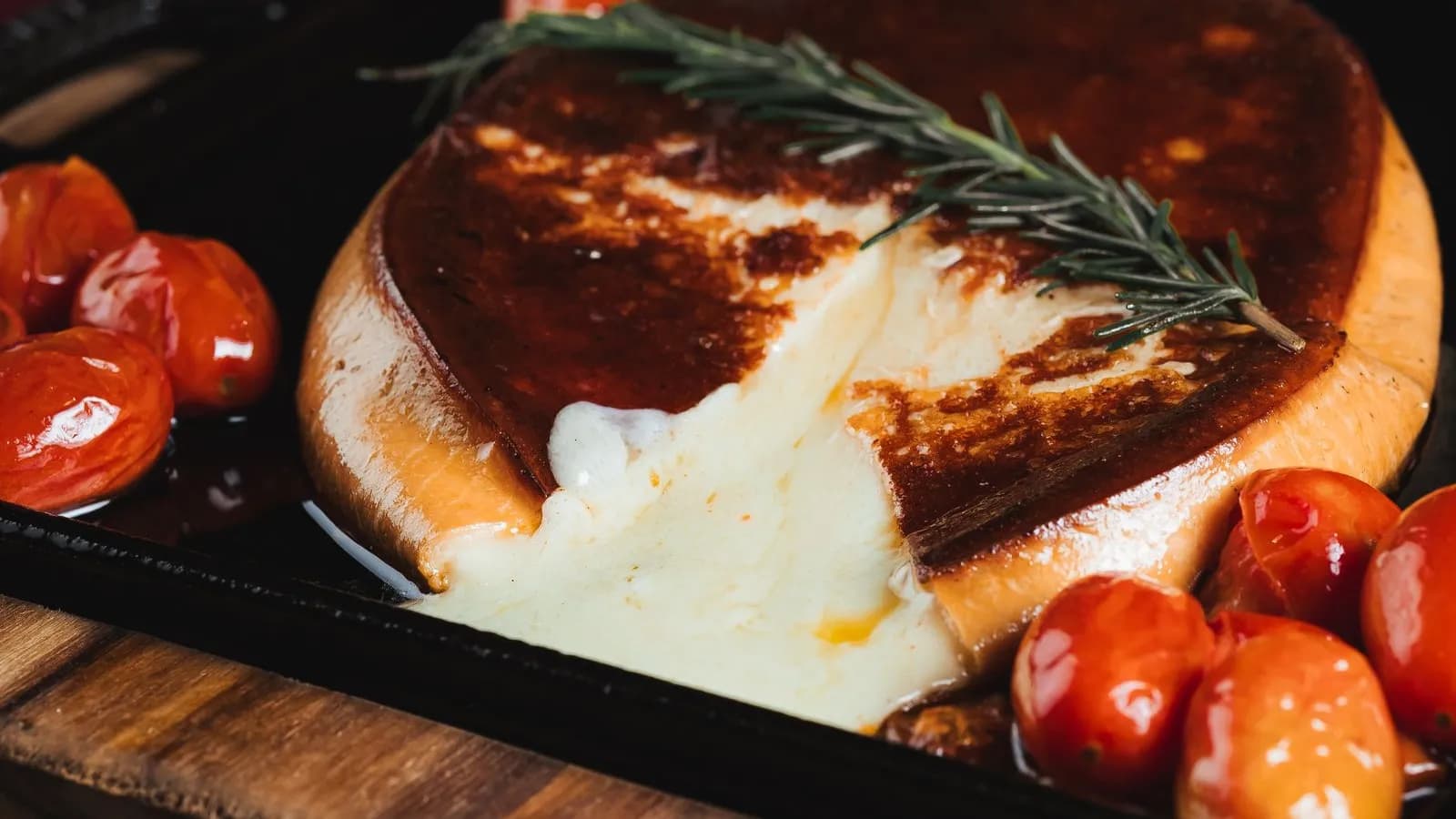
Argentine-style provoleta over direct heat: a wheel of provolone in a cast-iron skillet at 230°C until you get a golden crust and a molten centre. Tomato, oregano, olive oil and bread. A starter in 12 minutes. Serves 4.
Quick answer
Preheat the kamado direct to 230°C with an empty cast-iron skillet inside for 5 minutes. Add a 1.5-2 cm wheel of provolone, close the lid and melt for 8-10 minutes until a golden crust forms below and the centre wobbles. Crown with tomato, oregano and olive oil. Serve in the skillet with toasted bread.
- Prep
- 10 min
- Cook
- 12 min
- Servings
- 4 servings
- Temperature
- 230 °C
Ingredients
- aged provolone in a wheel 1.5-2 cm thick (provoleta-style)400 g
- small ripe tomatoes, deseeded and chopped (concassé)2 ud
- dried oregano (to scatter while hot)2 cdita
- extra-virgin olive oil (raw, to finish)4 cda
- chilli flakes or paprika (optional)1 pizca
- freshly ground black pepper1 pizca
- loaf of rustic bread to toast and dip1 ud
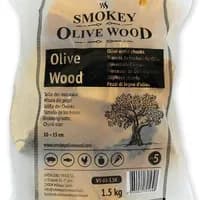
- small olive-wood chunks (for the veil of smoke)2 ud
- fresh oregano or parsley leaves to finish (optional)1 puñado
Method
- 01
Stabilise the kamado direct at 230°C
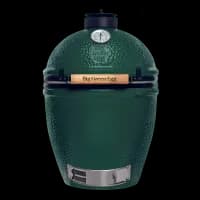
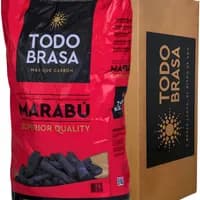
Light the charcoal and set the kamado direct, no deflector: here we want radiant heat from the coals to brown the base of the cheese. Open the vents and stabilise the chamber at 230°C; it takes about 15-20 minutes to settle. Don't start until the temperature holds steady, because provoleta is a matter of minutes and won't forgive a cold kamado.
- 02
Preheat the cast-iron skillet empty
Put the empty cast-iron skillet in the centre of the grate and preheat it with the lid closed for five minutes. It needs to be properly hot before the cheese goes in: that thermal mass is what sears the base of the provolone on contact and forms the crust. Add the cheese to a cold skillet and it sticks and melts without browning underneath.
- 03
Lay the provolone wheel in
Without greasing (provolone releases plenty of fat), lay the cheese wheel in the centre of the hot skillet. You'll hear an instant sizzle: that's the base searing. Don't move it or prod it for the first few minutes; it needs to sit in contact so the golden crust that holds it together forms before you pull it.
- 04
Melt with the lid closed and add the olive wood
Close the lid so the enveloping heat melts the centre from above while the skillet browns from below. At 5-6 minutes, when the cheese starts to soften, toss the two olive-wood chunks on the coals and close again: the mild smoke settles in the final minutes. Don't open the lid out of curiosity —you lose heat and smoke at once.
- 05
Catch the point: golden crust, wobbly centre
At 8-10 minutes, check: the surface should be bubbling and glossy, and when you tilt the skillet with gloves the cheese wobbles like a custard but holds its shape. Lift one edge with a spatula: the base should be golden, not black. That's the point. Wait for it to spread out completely and you've gone from provoleta to a puddle of cheese and split oil.
- 06
Dress and serve in the skillet
Pull the skillet with gloves and, without transferring, crown the cheese straight away with the chopped tomato, scatter the dried oregano while hot so it releases its aroma, drizzle with raw olive oil and add chilli and pepper. Take the skillet straight to the table with the toasted rustic bread alongside. Eat it at once, dipping bread into the molten cheese and the aromatic oil before it sets.
About this recipe
Provoleta is the most rewarding melted-cheese starter there is: a wheel of provolone that goes into a cast-iron skillet cold over direct heat and comes out with a golden crust and a molten centre, ready to scoop up with bread. The kamado nails it because at 230°C direct the skillet stores and returns a brutal heat that browns the base in minutes, while the closed lid melts the inside by convection without the cheese spreading out. The trick isn't the cheese —a good aged provolone will do— it's mastering the exact pull point: taking it out while it wobbles, not once it has melted completely into a puddle of oil.
Cast iron over direct heat: why provoleta needs thermal mass
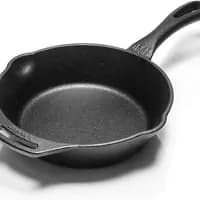
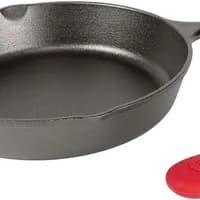
Classic provoleta is made in a cast-iron provoletera, and the cast-iron skillet is its perfect stand-in: preheated in the kamado, it stores enough energy to sear the base of the cheese on contact and form that golden Maillard crust that holds it together like an edible mould. On a bare grate the provolone slips between the bars; on a thin tray it scorches before it melts. The cast-iron skillet solves both at once: it browns from below while the kamado's enveloping heat melts from above. Preheat it empty for five minutes inside the kamado at 230°C before adding the cheese; put it in cold and the provolone sticks and won't sear.
Olive-wood smoke: the Mediterranean touch provoleta loves
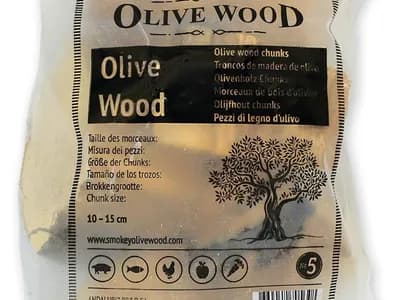
Here's the nod that separates a kamado provoleta from a griddle one: a couple of small olive-wood chunks on the coals as you close the lid. Olive gives a mild, Mediterranean smoke, sweet and clean, that pairs with the dairy without smothering it —no hickory or mesquite, which would steamroll a delicate cheese in seconds. Provolone, like all fatty dairy, drinks in smoke easily, so a veil is plenty: olive, light and late, in the final minutes with the lid down. It's a local touch, from the Costa Blanca, where olive wood is the everyday firewood, and it gives provoleta an aromatic backbone no kitchen oven can replicate.
The finish: tomato, oregano, olive oil and bread for dipping
Provoleta is dressed right as it comes out, with the cheese still bubbling. A spoonful of chopped tomato or concassé on top brings freshness and acidity that cut the fat; dried oregano —scattered while hot so it releases its aroma— is the dish's unmistakable signature; and a drizzle of raw olive oil at the end ties it all together and adds shine. Serve it in the skillet itself, with toasted rustic bread alongside to mop up the molten cheese and the aromatic oil. A pinch of chilli flakes or a few olives finish it off. It's a starter to share, straight from the kamado to the table, with no transfers to cool the cheese down.
In 30 seconds
Kamado direct at 230°C. Preheat an empty cast-iron skillet for 5 min inside. Drop in a wheel of provolone (1.5-2 cm), close the lid and melt 8-10 min with a couple of olive-wood chunks at the end for a veil of smoke. It's ready when it wobbles and bubbles on top with a golden crust below —don't wait for it to melt fully. Pull it, crown with chopped tomato, dried oregano and raw olive oil, and serve in the skillet with toasted bread for dipping. Serves 4, 12 minutes cooking.
Editor's tips
- The pull point is everything. A perfect provoleta comes out while it wobbles like a custard and the base is golden, not once it has melted completely. Past that point the cheese fat splits, the provolone loses its structure and you end up with an oily puddle instead of a creamy wheel that holds together. Better one degree short: the cast iron's residual heat keeps melting it on the way to the table, so pull it while it still holds its shape.
- Pick the right cheese: aged provolone, not fresh. Argentine provoleta uses a matured provolone, drier and firmer than fresh Italian provolone, which is why it takes the heat without spreading: it melts inside but keeps an outer wall. If all you find is young or very wet provolone, chill it good and firm beforehand and give it less time, because it releases more water and breaks down sooner. A good stand-in is a wheel of semi-cured provolone-style cheese or even a scamorza, which also crust up.
- With dairy, little smoke and mild. Provolone soaks up smoke like a sponge, so olive goes in at a minimal dose —two small chunks— and only in the final minutes. Forget the strong woods: hickory, mesquite or holm oak leave a phenolic bitterness that buries the cheese and turns it acrid. Olive, apple or cherry are the sweet woods that accompany dairy without fighting it. When in doubt, go short: a veil you can just sense always beats a provoleta that tastes of ash.
Gear for this recipe
As an Amazon Associate, mikamado.es earns from qualifying purchases. At no extra cost to you.
FAQ
Which provolone cheese should I use so it doesn't melt too much?
Use aged or matured provolone, not fresh Italian provolone. Argentine provoleta was invented precisely with a drier, firmer provolone that melts inside but keeps an outer wall and doesn't spread across the skillet. That kind of cheese is the one that forms the golden crust and holds in a wheel. Fresh provolone, far wetter and stretchier, releases too much water and fat and tends to collapse into a puddle before it browns. If your deli only has young provolone, ask for it as aged as possible, chill it good and firm before cooking and give it less time over the fire. Good stand-ins that also crust up are a wheel of semi-cured provolone-style cheese or a smoked scamorza, which adds its own smoky backbone too.
Do I need a cast-iron skillet or can I do it straight on the grate?
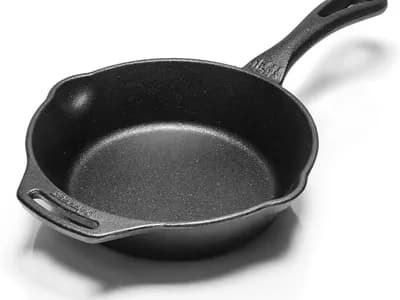
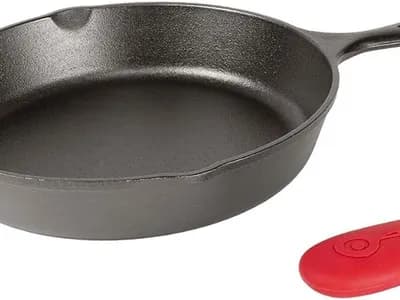
You need cast iron, yes. Provoleta straight on the grate is a recipe for disaster: the cheese softens, slips between the bars and you lose half the wheel into the coals. The cast-iron skillet does two essential jobs: it contains the cheese so it melts without escaping, and it provides the thermal mass that sears the base and forms the golden Maillard crust that holds the provoleta together. A traditional cast-iron provoletera is ideal, but a 20-26 cm cast-iron skillet plays exactly the same role and lets you take it straight to the table. What doesn't work is a thin aluminium or steel tray: it stores no heat, so the cheese melts without browning underneath and you lose the crust, which is half the charm of the dish. Always preheat the skillet empty before adding the cheese.
Should I cook it direct or indirect with a deflector?
Direct, no deflector, and this is one of the few cheese or baking cases where indirect isn't the best option. Provoleta wants intense radiant heat from the coals underneath to brown the skillet base fast and form the crust before the centre melts completely; with a deflector you'd have a gentle oven that melts the cheese evenly but never gets that aggressive browning on the base, and the provoleta would stay soft and pale. The key is balance: direct at 230°C to brown, but with the lid closed so the enveloping heat melts the centre at the same time. Cook it uncovered and you'd brown the base but the centre would never melt properly. Lid closed over direct heat is the combination that gives crust below and creaminess above at once.
How do I stop the provoleta sticking to the skillet?
With two things: a well-seasoned and well-preheated skillet. The counterintuitive secret is not to grease it: provolone is a very fatty cheese that releases its own fat the moment it hits the heat, so adding oil to the skillet only makes it swim and splits the fat too early. What really stops it sticking is the Leidenfrost effect of a properly hot skillet: at temperature, the base of the cheese sears instantly and forms the crust, which releases on its own. A cold or lukewarm skillet guarantees sticking. That's why we preheat the empty iron for five minutes before adding the cheese. If your skillet is under-seasoned, wipe it with the thinnest film of oil on paper before preheating to reinforce the patina, but don't add oil with the cheese already in. And for a clean release, let it lose a couple of minutes of heat before serving: as it cools slightly, the crust firms up and lifts out whole.
What goes with provoleta and can it work as a starter for several?
It's the perfect starter to share and to open a barbecue, just as it's done in Argentina, where provoleta kicks off the asado. The classic, essential accompaniment is toasted rustic bread to dip into the molten cheese and the aromatic oil; toast it on the kamado grate itself while the cheese melts and you'll have it hot. On top of the cheese, the unmovable trio is tomato, dried oregano and raw olive oil, which bring freshness, aroma and shine; from there you can add chilli flakes for a kick, olives, capers, or a few basil or fresh oregano leaves. For several guests, make several wheels in separate skillets or one big wheel in a 26 cm skillet, and serve them staggered so each one reaches the table freshly melted: provoleta won't wait, you have to eat it the moment it leaves the kamado, before the cheese sets and loses its creaminess.
More kamado recipes
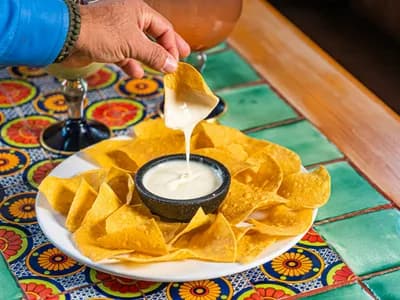
Smoked Loaded Nachos on the Kamado
The ultimate sharing starter: layers of tortilla chips, melted cheese, beans and jalapeños in a cast-iron pan, kissed by 10-12 minutes of gentle olive-wood smoke and topped with fresh pico de gallo.
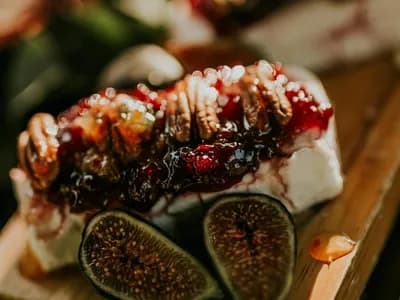
Kamado-roasted figs with goat cheese and honey
Figs scored into a cross, stuffed with melting goat cheese, glazed with honey and rosemary. Seven minutes over direct heat and you have the kamado's late-summer dessert.
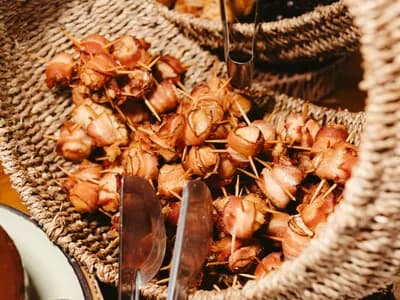
Bacon-Wrapped Dates on the Grill
The sweet-and-savory bite that vanishes first: Medjool dates stuffed with blue cheese, hugged in crisp bacon and lacquered with Pedro Ximénez, caramelized over the kamado's direct fire.
KEEP READING
Go deeper on this dish
- Recommended kamado
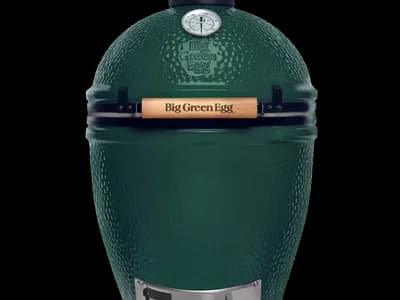
Big Green Egg Large
The classic kamado that defined the category
- Editorial guide
How to light a kamado: the step-by-step method
No petrol, no weird tablets and no 45-minute waits. The cone method, airflow control and the mistakes that prevent 80% of the frustration.
- Glossary term
Heat deflector
Ceramic plate placed between the coals and the grate to turn direct fire into indirect cooking.
- Related comparison
big green egg large vs kamado joe classic iii
The classic kamado matchup: the Big Green Egg Large, the indestructible pioneer with the widest accessory network, agai…