Recipe · Direct · Easy
Kamado escalivada with smoked peppers and aubergine
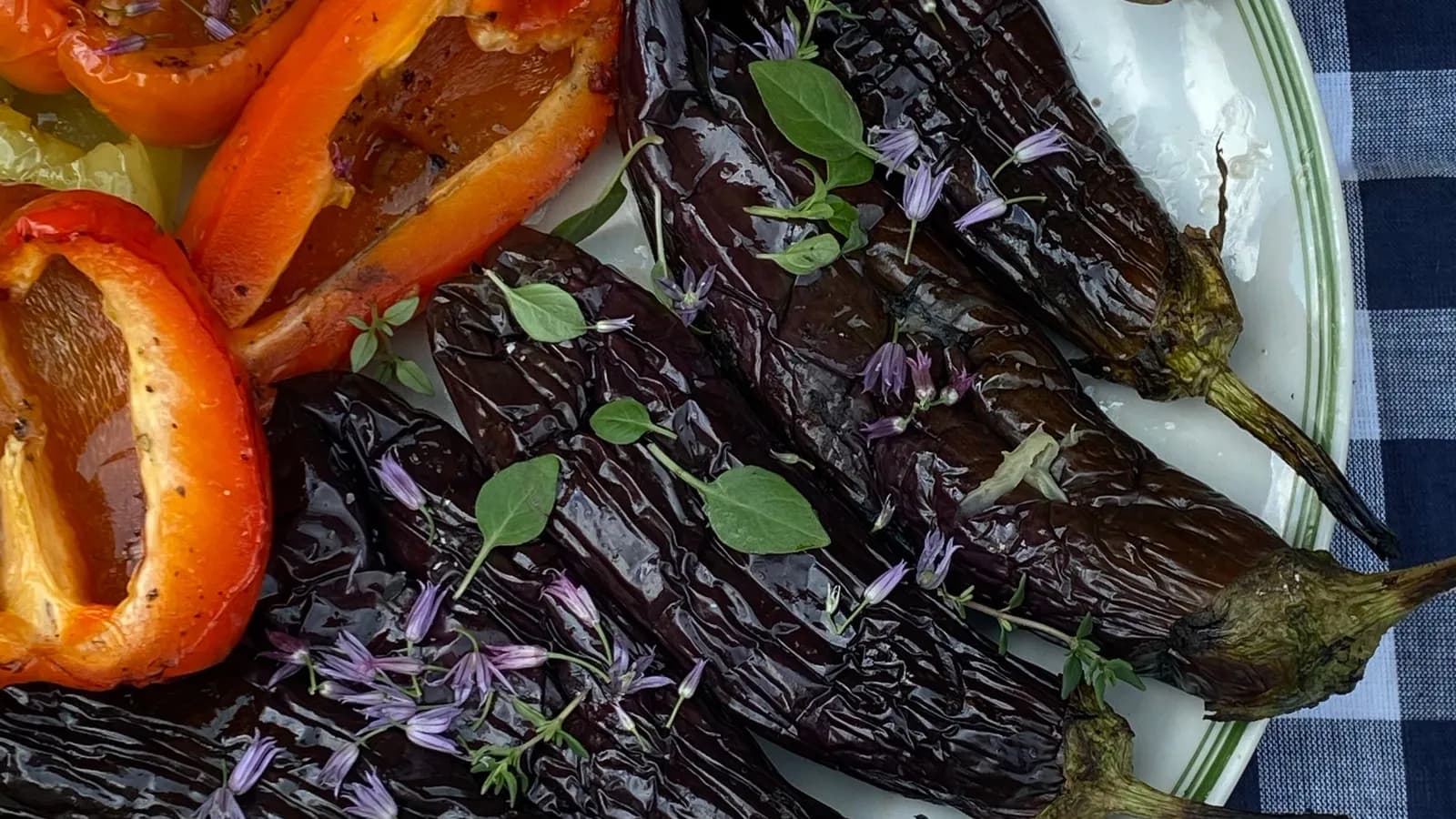
Red pepper, aubergine and onion roasted whole over live coals until the skin chars black, then peeled and dressed with nothing but extra-virgin olive oil and flaky salt.
Quick answer
Escalivada on the kamado roasts direct at 230 °C: the vegetables whole and oil-free until the skin is black and blistered (onion 40-45 min, pepper 25-30, aubergine 20-25). Let them steam covered for 15 minutes, peel without water, and dress with extra-virgin olive oil, flaky salt and the reserved juices. Best warm or at room temperature.
One big step at a time, screen kept on and built-in timers.
- Prep
- 15 min
- Cook
- 45 min
- Servings
- 4 servings
- Temperature
- 230 °C
What time do you want to eat?
Pick a time and we'll tell you when to start.
12:30
Start the prep
12:45
Light the kamado
13:05
Onto the kamado
14:00
Serve
Estimate: it includes lighting and settling the kamado plus a margin for large cuts. If the recipe asks you to marinate or salt ahead, add that time.
Fire setupDirect heat
- Dome
- 230 °C
- Deflector
- No
- Grate
- Standard height
- Bottom vent
- Half open
- Top vent
- A crack
Temperature curve
1:20 h from lighting
Kamado dome
| # | From | Phase | Dome |
|---|---|---|---|
| 1 | 0:00 | Light the charcoalDirect, no deflector, stay under 280 °C | 20 → 230 °C |
| 2 | 0:20 | Put the food inOnions first, to one side | 230 → 200 °C |
| 3 | 0:23 | Cook | 200 → 230 °C |
| 4 | 0:35 | Put the food inPeppers at 15 min, aubergines at 20 | 230 → 205 °C |
| 5 | 0:40 | CookTurn peppers every 6-7 min until the skin is black | 205 → 230 °C |
| 6 | 1:05 | RestSweat covered in a bowl with film | 230 → 180 °C |
| 7 | 1:20 | Serve | off |
0:00 is the moment you light the charcoal. Internal temperatures are the ones the recipe gives; without a probe, go by the times. Turn these times into clock times with the planner
For this recipe
Ingredients
- large fleshy red peppers3
- medium aubergines (ideally purple, not too large)2
- large onions in their skin (Figueres or sweet variety)2
- extra-virgin olive oil (Comunidad Valenciana), to dress4 tbsp
- raw garlic clove, thinly slivered (optional)1 clove
- mild wine or sherry vinegar (optional)1 tsp
- flaky sea salt, Maldon-style (to finish)1 pinch
- chopped fresh parsley (optional, to finish)1 pinch
Allergens
- Sulphites
The vinegar is optional: without it, the dish has no sulphites.
Based on the recipe's ingredients. Always check the label of every product you buy.
The gear for this recipe
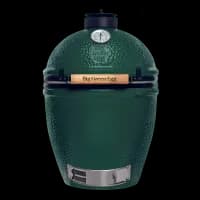 Big Green Egg LargeThe Large gives a roomy grate to roast whole peppers, aubergine and onion direct at 230 °C for 4.
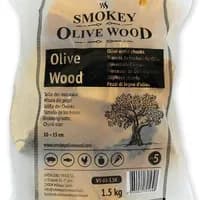 Smokey Olive Wood Olive Wood Chunks 1.5 kgOlive wood chunks for a veil of Mediterranean smoke while the vegetables char.
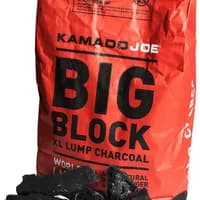 Kamado Joe Big Block XL lump charcoal 9.1 kgClean lump charcoal to reach 230 °C of direct heat.
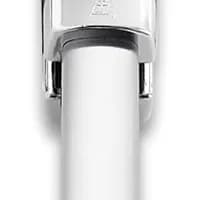 Weber Precision Tongs 46 cm (6760)Turn the whole vegetables over the embers until the skin is black all over.
Method
- 01
Light and stabilise at 230°C, direct
Light the kamado for direct cooking, no deflector, grate at standard height. Open the bottom damper halfway and the top vent to about a third, and let the ceramic settle at 230°C for 15 minutes. You want strong but not infernal heat: above 280°C the skin burns before the flesh cooks through.
- 02
Prep the whole vegetables
Do not peel anything and do not oil them yet. Wash and dry the peppers, aubergines and onions. Pierce the aubergines 3-4 times with a skewer or thin knife so steam escapes and they do not burst over the coals. Leave the onion in its outer skin: it acts as protection and gets discarded later.
- 03
Stagger the load by cooking time
Start with the onions, the slowest (40-45 min), placing them toward one side of the grate. At 15 minutes add the red peppers (25-30 min). At 20 minutes add the aubergines (20-25 min). That way everything finishes roughly together at around the 45-minute mark.
- 04
Turn to char every side
Turn the peppers every 6-7 minutes with tongs until the skin is black and blistered on all four sides. Turn the aubergine a couple of times; it is ready when it deflates and feels soft to the squeeze. The onion blackens outside and softens within; do not be put off by how burnt it looks.
- 05
Sweat 15 minutes, covered
As each one is done, move it to a large bowl covered with film, or into a sealed bag. Let them sweat for 15 minutes. The steam they release lifts the skin from the flesh and turns peeling into a matter of seconds. This is the step that separates a clean escalivada from a fight with stuck skin.
- 06
Peel without water, keep the juices
Peel with your fingers, never under the tap: water washes away the smoky aroma. Remove the black skin, seeds and stalk from the peppers. Skin the aubergine and discard the end. Take the burnt outer layers off the onion. Strain and keep the juice from the bowl: it is liquid gold for the dressing.
- 07
Tear into strips by hand
Tear the peppers into strips lengthwise along their natural ribs, by hand rather than knife (a knife crushes and draws out water). Aubergine into strips or rough pieces. Onion into wedges or petals. Lay it all out on a flat platter, mixed or arranged by colour if you want presentation.
- 08
Dress with olive oil and rest
Drizzle with a generous pour of Valencian olive oil and the reserved juices, flaky salt and, if you like, slivers of raw garlic and a thread of vinegar. Let it rest at least 20-30 minutes at room temperature so the flavours settle. Serve warm or at room temperature, with parsley on top. It is even better the next day.
About this recipe
Kamado escalivada is cooked direct, over live fire, with the vegetables left whole — unpeeled and unoiled: red pepper, aubergine and onion go straight on the grate at around 230°C until the skin turns fully black. The charcoal smoke does the rest. Once peeled, that smoky skin leaves behind a sweet, silky flesh you simply cannot match in a home oven.
Why the kamado outdoes oven escalivada
Escalivada comes from the Catalan verb escalivar, to roast over embers (caliu). A home oven imitates it, but misses the point: direct contact with fire and charcoal smoke. On the kamado you work direct, no deflector, grate at standard height and the ceramic at 230°C. The vegetables go on whole, their skin acting as armour: the skin chars and is sacrificed, while inside the flesh steams in its own moisture without drying. The result is sweeter, deeper and carries the smoky backbone that defines the dish.
The trick: a different clock for each vegetable
The classic mistake is loading everything at once and pulling it all at once. Each vegetable runs on its own clock. The whole onion in its skin is slowest: 40-45 minutes, cooked off to one side in the gentler zone of the grate. The red pepper takes 25-30 minutes and needs turning every 6-7 to char all four sides. The aubergine is the most delicate: 20-25 minutes, and it is done when it deflates and the skin wrinkles. Pierce it first with a skewer so it does not burst. Stagger the load: onion first, peppers at 15 minutes, aubergine at 20.
Sweat, peel and dress the Costa Blanca way
As soon as they come off the kamado, the vegetables go into a covered bowl or a sealed bag for 15 minutes. That sweat loosens the skin and it peels off with your fingers almost on its own. Do not rinse under the tap: you would wash away the smoky juices, which are exactly what you are after. Then tear by hand (never a knife, which crushes), add a generous pour of extra-virgin olive oil from the Comunidad Valenciana, flaky salt and, if you like, slivers of raw garlic and a thread of mild vinegar. Eat it warm or at room temperature, never hot: escalivada improves as it rests.
In 30 seconds
Direct at 230°C, no deflector. Whole vegetables, skin on, on the grate: onion 40-45 min, pepper 25-30 min, aubergine 20-25 min (stagger the load). Skin fully black. Sweat 15 min covered and peel with your fingers, no water. Tear by hand + Valencian olive oil + flaky salt. Serve warm. Serves 4, a side or starter that comes off while the kamado is already lit.
Will it fit your kamado?
Small
33-40 cm · Joe Jr, MiniMax
Tight
Everything will probably be crowded; if not, two staggered batches.
Medium
46-51 cm · Classic, Large
Fits
All the vegetables fit at once, staggering their entry.
Large
56-61 cm · Big Joe, XL
Fits
Plenty of room: the quantity could be doubled.
What to serve with it
- Wine
- Navarra rosé or Penedès white
- Beer
- Smooth lager or wheat beer
- Alcohol-free
- Iced herbal tea with lemon
Leftovers and storage
- In the fridge
- With its dressing, airtight in the fridge within 2 hours: 3-4 days.
- Freezing
- Does not freeze well: the vegetables turn watery and lose their smokiness.
- Reheating
- Best at room temperature: take out 30 minutes ahead. For warm, a gentle pan for 2-3 minutes.
- Using them up
- On toast with anchovy, over a flatbread or blended into a chilled soup.
Cool and refrigerate within 2 hours. When in doubt, throw it out.
Leftover embers
You still have embers: what to do with the leftover heat
For 45 min at 230 °C in a classic kamado you load about 1 kg of charcoal and burn 800 g: when you serve, about 170 g of live embers remain. Before you shut the vents, that is still enough for:
Closing the vents halfway and waiting for it to drop
140-200 °Cdessert while you eat
20 minof embers
- Kamado-roasted figs with goat cheese and honey7 min · 200 °C
- Smoked Loaded Nachos on the Kamado12 min · 185 °C
No recipe needed
- Yesterday's bread with oil and garlic, on the grate (10 min)
Before opening the lid, crack it open for a few seconds first; if you raise the heat, stir the ash so the coals can breathe. And if you are not going to use them: once the food is out, close the bottom and top vents. The charcoal that does not burn (about 170 g) can be used next time. Different size of kamado? Work out your load for 1 h 30 min of fire, lighting included.
No kamado?
How to make it without a kamado: oven, gas grill or pellets
Escalivada depends on skins charred over direct heat: 45 minutes at 230 °C with whole vegetables. In the oven it turns out tender, but the ember smoke is lost.
Home oven
- Temp.
- 220 °C fan; top grill on full for the last few minutes
- Time
- 50-60 min, a little longer than on the kamado
- If you have a gas hob, blister the peppers over the flame first: that is your ember touch
- Halve the onions and lay them cut side down so they finish within 50 min
- Everything on the top tray, then 5 min under the grill at the end, turning, to char the skins
SmokeBarkJuicinessTender and sweet; missing the ember smoke
Gas grill
- Temp.
- 230 °C direct, burners medium-high, lid down
- Time
- 45 min, same as on the kamado
- A smoker box of holm oak or olive chips from the start makes up for the missing charcoal
- Onions over the hottest burner, aubergines on the milder side
- Gas grills have hot spots: turn the peppers every 5 min, not every 7
SmokeBarkJuicinessVery good, with well-charred skins and light smoke
Pellet grill or electric smoker
- Temp.
- 230-260 °C on a pellet grill; an electric smoker cannot get there
- Time
- 50-60 min, a little longer than on the kamado
- With no direct flame the skins will not blacken: run the grill at its maximum
- Sweat them for 20 min instead of 15, since less-charred skins are harder to peel
- Oak or fruitwood pellets: the smoke still gets in, even if the skins stay paler
SmokeBarkJuicinessGood smoke, but harder to peel than over embers
Temperatures and times are a guide; the original recipe is the kamado one. Tempted? which kamado to choose for what you cook
Editor's tips
- Vegetables go on whole, dry and WITHOUT oil. Brushing them with oil first only triggers flare-ups that char the skin before the inside cooks. Oil is for the end, once peeled — there, be generous and use the good stuff.
- Do not rush the colour: the skin must go fully black and blistered, not golden. That surface char is what brings the smoky flavour and, crucially, what later peels away clean. A merely toasted skin sticks and turns bitter.
- A couple of olive-wood chunks among the coals lift the dish: olive gives a mild, sweet, very Mediterranean smoke that suits the vegetables without overpowering them. Strong woods like mesquite or hickory are overkill here — they would kill the pepper's sweetness.
Gear for this recipe
As an Amazon Associate, mikamado.es earns from qualifying purchases. At no extra cost to you.
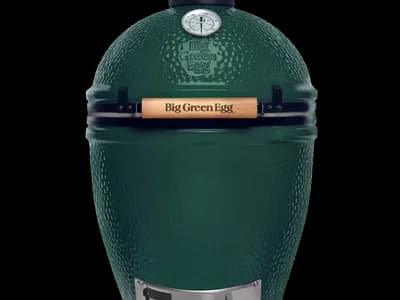
Big Green Egg Large
The Large gives a roomy grate to roast whole peppers, aubergine and onion direct at 230 °C for 4.
€2,099
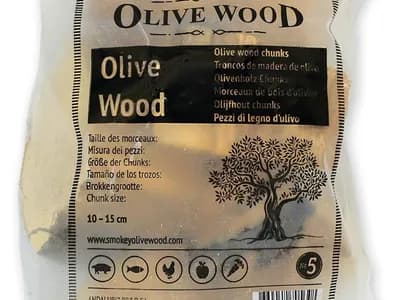
Smokey Olive Wood Olive Wood Chunks 1.5 kg
Olive wood chunks for a veil of Mediterranean smoke while the vegetables char.
€18
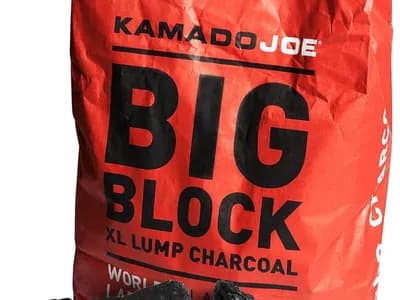
Kamado Joe Big Block XL lump charcoal 9.1 kg
Clean lump charcoal to reach 230 °C of direct heat.
€67
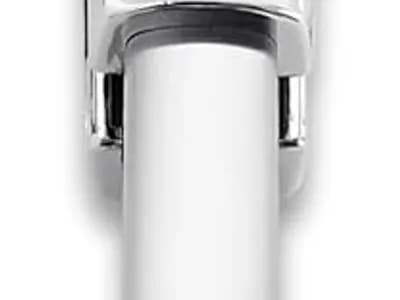
Weber Precision Tongs 46 cm (6760)
Turn the whole vegetables over the embers until the skin is black all over.
€28
Have you made it?
Tell us how it turned out on your kamado. We review every rating before publishing it.
No published ratings yet. Be the first!
FAQ
How long do whole peppers and aubergine roast, and at what temperature?
With the kamado direct at 230°C, a whole red pepper takes 25-30 minutes, turned every 6-7 to char all four sides. The aubergine, 20-25 minutes, until it deflates and the skin wrinkles. The onion in its skin is slowest: 40-45 minutes in a less direct zone. That is why you stagger the load rather than putting everything on at once.
How do you peel the smoked vegetables without losing the juices?
No tap water. Put the freshly pulled vegetables into a bowl covered with film or a sealed bag and let them sweat 15 minutes: the steam loosens the skin and it slips off with your fingers. Rinsing under water washes away the smoky aromas and sugars, which is exactly what gives the dish its charm. Strain the juice left at the bottom of the bowl and use it in the dressing.
Direct over coals or indirect for escalivada?
Direct, no deflector. Escalivada literally comes from roasting over the caliu, the embers, so you need strong radiant heat and contact with the fire to char the skin. Indirect never blackens the skin properly and you lose the signature smoke. Save the deflector for long cooks; here it only gets in the way. Just control the airflow so you do not climb past 230-250°C and scorch the flesh.
What oil and vinegar to dress it properly?
A proper extra-virgin olive oil with character but not aggressive: here in the Comunidad Valenciana we use local arbequina or serrana oils, mild and fruity, that do not bury the vegetables' sweetness. Dress it raw, never heat the oil. Vinegar is optional and should be minimal: a few drops of mild wine or sherry vinegar. Too much acid and you lose the smoky nuance. Many of us leave it with just oil, salt and the reserved juices.
How do you store escalivada and what do you serve it with?
It keeps 3-4 days in the fridge in a container, covered with its oil, and actually improves from one day to the next. Take it out 20 minutes before serving: straight from the fridge it loses aroma. Serve warm or at room temperature, never hot. It works as a side for grilled fish or meat, on good toast with anchovy or tuna belly, inside a coca, or as a starter with goat's cheese. It is one of those dishes that gets better the longer it rests.
Can you make escalivada without a kamado?
Yes. On a gas grill over direct heat with a smoker box it comes very close to the kamado, and pellets add smoke but char the skins less. In the oven it turns out tender and sweet, and blistering the peppers over a hob flame first brings back some of the ember flavour.
What do I do with the embers left after making Kamado escalivada with smoked peppers and aubergine?
After 45 min at 230 °C in a classic kamado about 170 g of live embers remain: 20 min at 140-200 °C closing the vents. If you are not going to use them, close both vents and keep the charcoal for next time.
More kamado recipes

KEEP READING
Go deeper on this dish
- Recommended kamado
Big Green Egg Large
The Large gives a roomy grate to roast whole peppers, aubergine and onion direct at 230 °C for 4.
- Editorial guide
How to light a kamado: the step-by-step method
No petrol, no weird tablets and no 45-minute waits. The cone method, airflow control and the mistakes that prevent 80% of the frustration.
- Glossary term
Heat deflector
Ceramic plate placed between the coals and the grate to turn direct fire into indirect cooking.
- Related comparison
big green egg large vs kamado joe classic iii
The classic kamado matchup: the Big Green Egg Large, the indestructible pioneer with the widest accessory network, agai…