Recipe · Direct · Medium
Arroz a banda on the kamado, fisherman's socarrat
Alicante-style arroz a banda in a paella pan over the kamado grate: a rockfish fumet, a long sofrito and a textbook final socarrat.
Quick answer
Arroz a banda is cooked in a paella pan over the kamado, direct at 240 °C with the lid open: a sofrito of ñora pepper and tomato, the rice toasted, fish fumet (2.5 parts to 1 of rice), and 18 minutes of cooking. At the end, 90-120 seconds over high heat without stirring for the socarrat. The fish is served on the side.
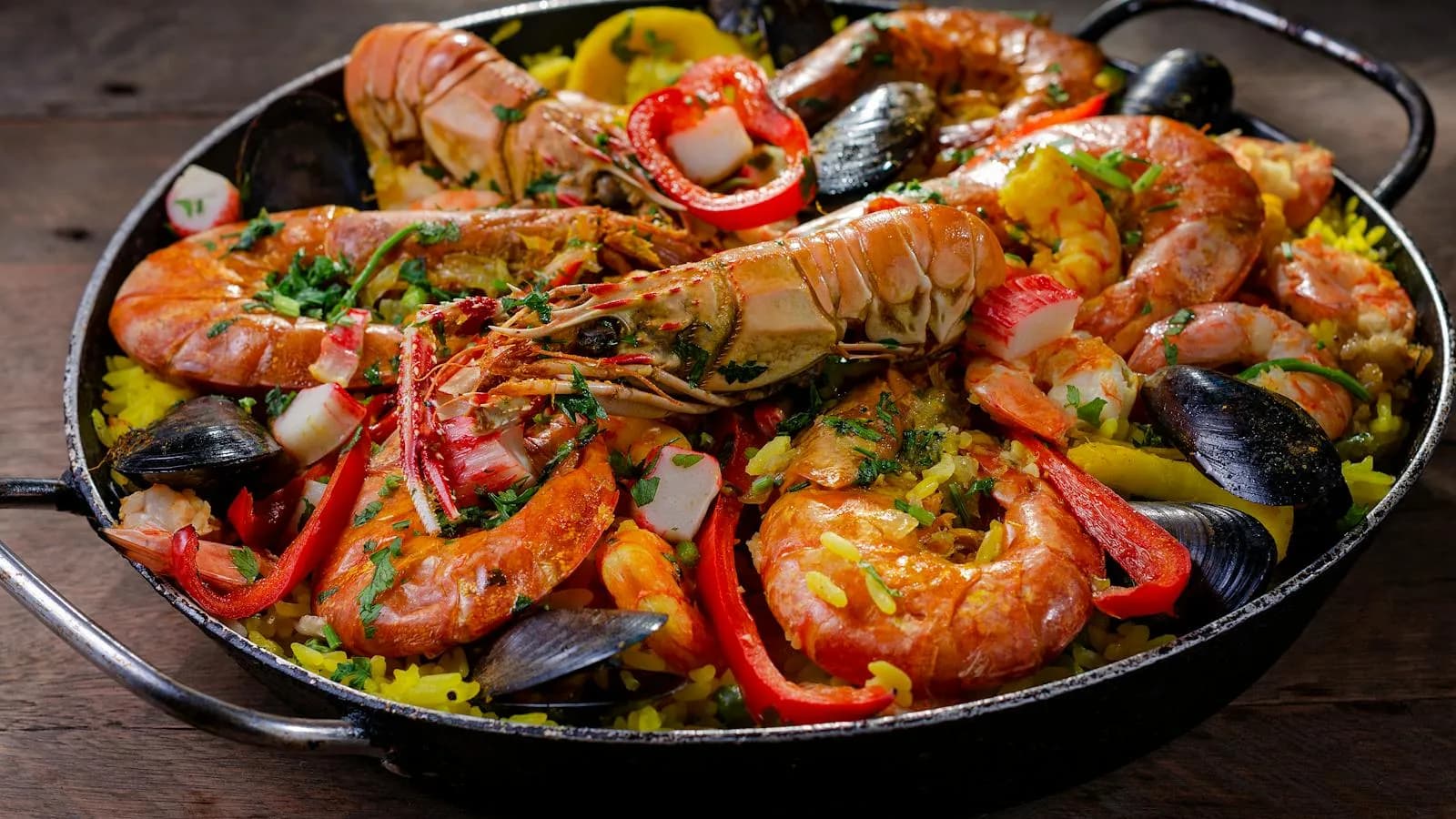
One big step at a time, screen kept on and built-in timers.
- Prep
- 40 min
- Cook
- 35 min
- Servings
- 6 servings
- Temperature
- 240 °C
What time do you want to eat?
Pick a time and we'll tell you when to start.
12:15
Start the prep
12:55
Light the kamado
13:15
Onto the kamado
14:00
Serve
Estimate: it includes lighting and settling the kamado plus a margin for large cuts. If the recipe asks you to marinate or salt ahead, add that time.
Fire setupDirect heat
- Dome
- 240 °C
- Deflector
- No
- Grate
- Raised
- Bottom vent
- Half open
- Top vent
- Half open
- Fuel
- Charcoal, a good bed of live embers
- Setup
- Paella pan
Temperature curve
0:58 h from lighting
Kamado dome
| # | From | Phase | Dome |
|---|---|---|---|
| 1 | 0:00 | Light the charcoalBed of live embers, raised grid, no white smoke | 20 → 240 °C |
| 2 | 0:20 | CookSofrito and toast the rice, lid open | 240 → 225 °C |
| 3 | 0:33 | CookHot stock, 18 min without stirring | 225 → 240 °C |
| 4 | 0:51 | SearVents wide open, socarrat without stirring | 240 → 255 °C |
| 5 | 0:53 | RestOff the kamado, covered with a cloth | 255 → 200 °C |
| 6 | 0:58 | Serve | off |
0:00 is the moment you light the charcoal. Internal temperatures are the ones the recipe gives; without a probe, go by the times. Turn these times into clock times with the planner
For this recipe
Ingredients
- short-grain round rice (bomba or senia), about 100 g per person; with senia go 2.5:1, with bomba raise it to ~3:1 as it soaks up more stock600 g
- hot morralla fumet (ratio 2.5 parts stock to 1 of rice)1.5 l
- morralla and/or rockfish heads and bones (for the fumet)800 g
- ripe plum tomatoes, grated (skin discarded)4
- ñora (dried sweet pepper), pulp scraped out, or 1 tbsp ñora paste1
- sweet smoked Vera paprika1 tsp
- saffron threads (a good pinch, toasted and dissolved in a little fumet)1 pinch
- extra-virgin olive oil (for the sofrito and the fumet)100 ml
- onion and 1 leek for the fumet (the rice base goes without onion)1
- homemade alioli (garlic, EVOO, egg yolk and a touch of lemon), to serve1 jar
- lemons in wedges, to serve2
Allergens
- Eggs
- Fish
Rockfish mixes sometimes include crabs or mantis shrimp: check for shellfish allergy.
Based on the recipe's ingredients. Always check the label of every product you buy.
The gear for this recipe
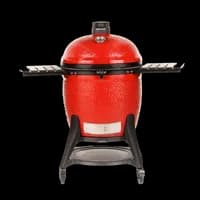 Kamado Joe Big Joe III 24"The 24" Big Joe takes the whole paella pan on the grate over direct heat for 6.
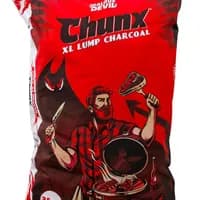 Jealous Devil 100% White Quebracho lump charcoal 15.8 kgFierce quebracho embers to reach 240 °C and force the final socarrat.
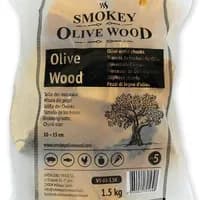 Smokey Olive Wood Olive Wood Chunks 1.5 kg
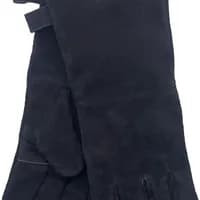 WMF BBQ Heat-Resistant Leather Gloves 40 cm (Pair)Turn and lift off the paella pan at 240 °C without burning your hands.
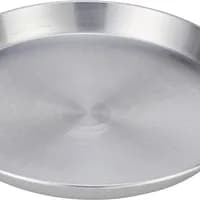 Lacor Steel Pro 63647: 46 cm carbon steel paella pan
Method
- 01
Make the morralla fumet
In a pot, sweat the morralla, onion and leek in a little EVOO for 5 minutes. Cover with 2 l of cold water, bring to a gentle boil and simmer uncovered 20-25 minutes, skimming. NEVER go past that: from minute 25 the fumet turns bitter and cloudy. Strain fine, adjust the salt and keep it hot: after evaporation and straining you are left with the 1.5 l the rice calls for.
- 02
Light the kamado and stabilise 240°C
Light a good bed of charcoal for DIRECT cooking, no deflector, and stabilise the chamber at 240°C with the lid open and the vents half open. Set the grate in its highest position to lift the pan away from direct flame. Let the coals be glowing and free of white smoke before you start.
- 03
The sofrito in the pan
Set the pan on the grate with the EVOO. Fry the ñora pulp for 30 seconds without burning it, lift it out, then add the grated tomato. Cook over medium heat 8-10 minutes until it loses its water and darkens. Add the paprika away from direct heat for 10 seconds (it scorches instantly) and return the ñora.
- 04
Toast the rice (nacarar)
Tip the dry rice over the sofrito and stir 1-2 minutes until the grains glisten and turn translucent at the edges — this is nacarar, and it seals the grain so it stays separate. Spread the rice evenly across the whole pan. From here, stop stirring: the rice is never touched again.
- 05
Add the fumet and cook 18 minutes
Pour in the hot fumet (2.5 parts to 1 of rice) and the dissolved saffron. Spread the stock, taste and adjust the salt NOW — after this you do not touch it. Cook on high 8-9 minutes with the vents open, then drop to medium by closing them a little for another 8-9 minutes. Eighteen minutes total. The stock should fall until the rice surfaces.
- 06
Build the socarrat
When the stock has all but vanished and the rice is al dente, open the vents fully to push the heat up and give it 90-120 seconds WITHOUT stirring. Lean in to listen: when it crackles and smells toasted (not burnt), the socarrat is there. If in doubt, lift the rice at one edge with a spoon to check the golden base.
- 07
Rest and serve a banda
Lift the pan off the kamado, cover it with a clean kitchen cloth and let it rest 5 minutes: the grain finishes hydrating evenly. Meanwhile, set the table with the alioli, the lemon wedges and the fumet fish flaked onto a separate platter (served a banda). Bring the whole pan to the table.
About this recipe
Arroz a banda is the dish my friends ask for the moment they see the paella pan on the kamado: it looks like a beach-shack lunch, but there is a very specific technique behind it. It is a dry Alicante rice where the fish is cooked separately and served "a banda" (on the side), and the rice is built only on the fumet, the sofrito and a good alioli. Over the kamado grate at a 240°C chamber, cooking direct, it comes out with separate grains, a deep taste of the sea and the toasted socarrat that is the soul of the dish.
The fumet is 80% of the dish
A good arroz a banda does not taste of expensive shellfish: it tastes of a properly made stock. Morralla —those small, ugly rockfish your fishmonger almost gives away— is the base. You sweat it lightly, cover it with cold water and simmer it 20-25 minutes, never longer, because past that point the fumet turns bitter and cloudy. Strain through a fine sieve, adjust the salt and keep it hot beside the kamado. The ratio I use for a dry rice is about 2.5 cups of fumet per cup of rice, against the 3-3.5 of a soupy one. That stock decides the dish long before the rice touches the pan.
Why the kamado nails the socarrat
The socarrat is that layer of toasted, almost caramelised rice that forms on the bottom of the pan as the stock evaporates. On a home hob it is hard, because a burner's heat is a single point: it toasts the centre and leaves the edges raw. The kamado, with the ceramic radiating heat off every wall, heats the base of the pan far more evenly, so the socarrat sets uniformly edge to edge. The final trick is the socarrat phase: once the rice is nearly dry, open the vents fully to push the heat up for 90-120 seconds and listen. When it smells toasted and crackles, it is ready. A second more and it turns bitter.
Lid open: rice is not a roast
Here is the key difference from every other kamado recipe: the rice cooks with the lid OPEN, as in any paella. We do not want convection or trapped smoke; we want the stock to evaporate so the grain finishes dry and separate. The kamado works here as a brutally hot, rock-steady paella burner. You close the lid only if you need to recover chamber temperature between phases, never during the rice itself. And forget about stirring: once the rice is spread, you do not touch it.
In 30 seconds
Fumet of morralla simmered 20-25 min, no longer. Pan on the grate, kamado 240°C, direct and LID OPEN. Long sofrito, toast the rice 1-2 min, add the hot fumet (2.5 cups per cup of rice). 18 min without stirring: 8-9 on high, the rest on medium. Final socarrat phase: vents open 90-120 sec until it crackles. Rest 5 min covered with a cloth. Serve with alioli and lemon, the fumet fish a banda.
Will it fit your kamado?
Small
33-40 cm · Joe Jr, MiniMax
Won't fit
The 46 cm pan won't fit; with a ~30 cm pan, about 2-3 servings.
Medium
46-51 cm · Classic, Large
Tight
The 46 cm pan will probably be tight; with a ~40 cm pan, 4-5 servings.
Large
56-61 cm · Big Joe, XL
Fits
The 46 cm pan fits with room for all 6 servings.
What to serve with it
Sides
- Tomato, onion and olive salad
- Grilled artichokes
- Wine
- Alicante white or Utiel-Requena rosé
- Beer
- Smooth, ice-cold lager
- Alcohol-free
- Sparkling water with lemon and mint
Leftovers and storage
- In the fridge
- Cool quickly, spread out, and refrigerate within 2 hours: eat within 24 hours.
- Freezing
- Does not freeze well: the grains go soft and break. Better eaten the next day.
- Reheating
- Covered pan with a splash of fish stock until piping hot in the centre (74 °C). Reheat only once.
- Using them up
- Rice croquettes or a rice omelette, with freshly made alioli: homemade yolk alioli does not keep.
Cool and refrigerate within 2 hours. When in doubt, throw it out.
Leftover embers
You still have embers: what to do with the leftover heat
For 35 min at 240 °C in a classic kamado you load about 800 g of charcoal and burn 600 g: when you serve, about 250 g of live embers remain. Before you shut the vents, that is still enough for:
Without touching the vents
240 °Cgrilled vegetables
25 minof embers
- Grilled peaches with honey and vanilla ice cream on the kamado8 min · 210 °C
- Bacon-Wrapped Dates on the Grill14 min · 210 °C
- Garlic Butter Naan on the Kamado18 min · 260 °C
No recipe needed
- Strips of courgette and aubergine, char-marked (5 min)
- Pita or naan from shop dough, on the grate (3 min each)
- Halved tomatoes, cut side down, for a sauce (10 min)
Closing the vents halfway and waiting for it to drop
140-200 °Cdessert while you eat
35 minof embers
- Smoked Loaded Nachos on the Kamado12 min · 185 °C
- Brioche Burger Buns on the Kamado18 min · 190 °C
- Garlic-stuffed portobello mushrooms grilled in the kamado22 min · 190 °C
No recipe needed
- Yesterday's bread with oil and garlic, on the grate (10 min)
- Corn cobs in their husks (30 min)
Before opening the lid, crack it open for a few seconds first; if you raise the heat, stir the ash so the coals can breathe. And if you are not going to use them: once the food is out, close the bottom and top vents. The charcoal that does not burn (about 250 g) can be used next time. Different size of kamado? Work out your load for 1 h of fire, lighting included.
History of the dish
- Origin
- Alicante coast (Valencian Community, Spain)
- Period
- Seafaring tradition; no documented date of origin
- Where it is cooked today
- Valencian coast, from Garraf (Barcelona) to Murcia, where it is called caldero; usually served with alioli
Arroz a banda (arròs a banda) is a seafarers' dish from the coast of Alicante. Tradition says it was born aboard fishing boats: the fish that was not meant for sale went into an intense stock in which the rice was then cooked, while the fish was served "a banda", that is, separately. That is where the name comes from.
There is no documented date for its origin; what the sources record is an oral tradition tied to fishermen, who sold the best of the catch and kept the rest for the stock. The cook Carles López specifies that this was rockfish with no commercial outlet.
Today it is a recipe common to the coastal municipalities of the Valencian Community, and it is eaten from Garraf, in the province of Barcelona, in the north down to Murcia in the south. In the Region of Murcia it is known as caldero. It is usually served with alioli, and today the recipe is often simplified by cooking it in a paella pan with fish stock, shellfish and a light sofrito.
Sources
- Arròs a banda — Wikipedia (en.wikipedia.org)
- Arròs a banda — Turisme Comunitat Valenciana (Generalitat Valenciana) (comunitatvalenciana.com)
- Arroz a banda — El Español (Alicante) (elespanol.com)
Editor's tips
- The most common mistake is too much fumet. Measure properly: 2.5 parts stock to 1 of rice for separate grains. Short, and you add a hot ladleful; over, and there is no way back and the socarrat will not set. And the stock ALWAYS hot — add it cold and you stall the cook and throw the timings off.
- Level the pan. A tilted grate pools the stock on one side and cooks the rice unevenly. Eye the stock surface to check it is flat before you leave it alone, and if your kamado's grate sits off-centre over the coals, turn the pan half a rotation halfway through.
- Watch the socarrat with your ears and nose, not the clock. The jump from toasted to burnt takes seconds, and a bitter socarrat ruins the whole pan. When it crackles and smells of toasted bread, pull it. If it is your first time, err on the safe side: a mild socarrat beats a bitter one.
Gear for this recipe
As an Amazon Associate, mikamado.es earns from qualifying purchases. At no extra cost to you.
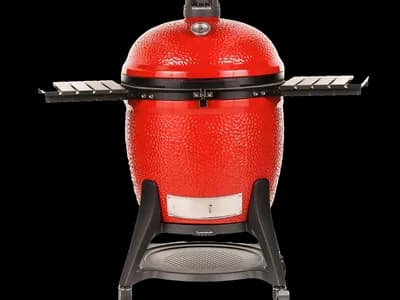
Kamado Joe Big Joe III 24"
The 24" Big Joe takes the whole paella pan on the grate over direct heat for 6.
€3,199
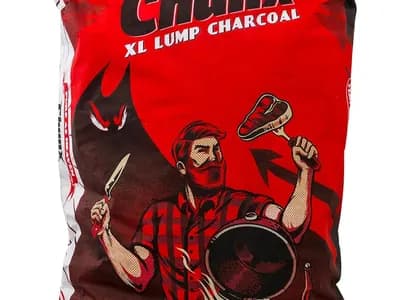
Jealous Devil 100% White Quebracho lump charcoal 15.8 kg
Fierce quebracho embers to reach 240 °C and force the final socarrat.
€206
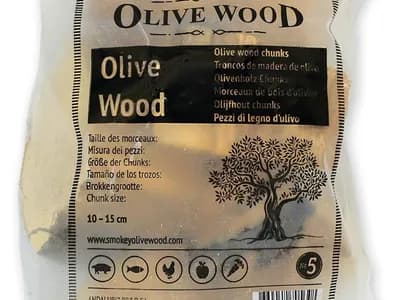
Smokey Olive Wood Olive Wood Chunks 1.5 kg
€18
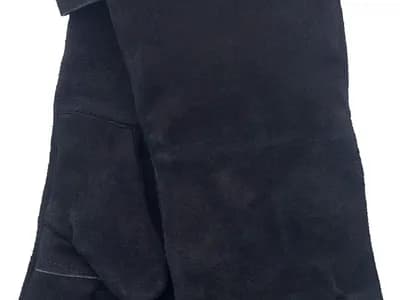
WMF BBQ Heat-Resistant Leather Gloves 40 cm (Pair)
Turn and lift off the paella pan at 240 °C without burning your hands.
€29
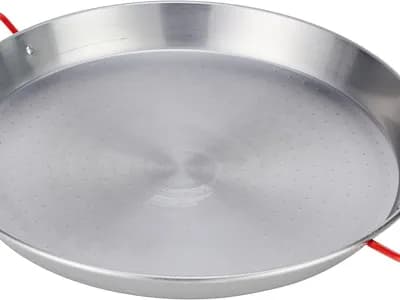
Lacor Steel Pro 63647: 46 cm carbon steel paella pan
€22
Have you made it?
Tell us how it turned out on your kamado. We review every rating before publishing it.
No published ratings yet. Be the first!
FAQ
How do I get the socarrat in a paella pan inside the kamado?
Wait until the stock has nearly vanished and the rice is al dente, and only then open the vents fully to push the heat up for 90-120 seconds without stirring. The kamado's advantage is that the ceramic spreads heat across the base of the pan evenly, so the socarrat sets uniformly rather than just in the centre as on a burner. Go by ear: when it crackles and smells toasted, pull it at once. One second over and it jumps from toasted to bitter.
Lid open or closed to cook rice on the kamado?
Lid open, like any paella. A dry rice needs the stock to evaporate to finish separate, and closing the lid turns the kamado into an oven: it traps moisture, stalls evaporation and ruins both the grain and the socarrat. You only close the lid briefly between phases if you need to recover chamber temperature, never during the rice itself. It is the big exception to the kamado rule: here you use it as a brutally hot, rock-steady paella burner, not as an oven.
What ratio of stock per cup of arroz a banda?
For a dry rice like arroz a banda, about 2.5 cups of fumet per cup of rice. That is less stock than a soupy rice (3-3.5) or a creamy meloso (3), precisely because we want almost all of it to evaporate and leave separate grains with socarrat. Mind the variety: 2.5:1 is the senia measure, but bomba drinks noticeably more, so with bomba raise it to ~3:1 or the grain stays hard. Always keep a little extra hot fumet on hand: if the grain is staying hard before it hydrates, add a ladleful. And measure rice and stock with the same cup, which is how the ratio gets passed down generation to generation in Alicante.
What is the difference between arroz a banda and seafood paella?
In a seafood paella the fish and shellfish go IN the rice and are served together; in arroz a banda the fish is cooked separately to make the fumet and served 'a banda' (on the side), so the rice stays clean, carrying only the concentrated flavour of the stock, the sofrito and the alioli. Arroz a banda has Alicante fishermen's roots: they used rockfish for the stock and ate the rice on one side, the fish on the other. The result is a grain with a more intense taste of the sea and less 'busy' than a seafood paella full of chunks.
What charcoal or wood do I use so the rice picks up flavour without turning bitter?
Good lump charcoal and a minimal touch of fruit or olive wood, never strong woods or heavy smoke. Arroz a banda is delicate: a chunk of mesquite or hickory turns it bitter and buries the shellfish in the fumet. A good bed of quebracho or holm oak gives intense, steady coals with very little smoke, and at most a small piece of olive or vine cutting adds a subtle Mediterranean background. The key: cook over clean, white-smoke-free coals, because bitter smoke clings to the grain and there is no undoing it.
What do I do with the embers left after making Arroz a banda on the kamado, fisherman's socarrat?
After 35 min at 240 °C in a classic kamado about 250 g of live embers remain: 25 min more at 240 °C without touching the vents or 35 min at 140-200 °C closing the vents. If you are not going to use them, close both vents and keep the charcoal for next time.
More kamado recipes
KEEP READING
Go deeper on this dish
- Recommended kamado
Kamado Joe Big Joe III 24"
The 24" Big Joe takes the whole paella pan on the grate over direct heat for 6.
- Editorial guide
How to light a kamado: the step-by-step method
No petrol, no weird tablets and no 45-minute waits. The cone method, airflow control and the mistakes that prevent 80% of the frustration.
- Glossary term
Heat deflector
Ceramic plate placed between the coals and the grate to turn direct fire into indirect cooking.
- Related comparison
big green egg xl vs kamado joe big joe iii
The XL derby: 61 cm grate on both, same vocation of cooking for 10-12, but opposite philosophies. The Big Joe III ships…