Recipe · Direct · Medium
Skewered Sardines al Espeto on the Kamado
The icon of the Mediterranean summer at home: fresh sardines with coarse salt, roasted by the side heat of the kamado's embers without touching the grate. Charred skin, juicy flesh, bread and lemon.
Quick answer
Salt the sardines with coarse salt and let them rest 15 minutes. Push the embers to one side of the kamado, add olive-wood chunks and roast the sardines by the side heat, not over the direct grate, 4-5 minutes per side. In 10-12 minutes they turn juicy inside with charred skin; serve with bread and lemon.

One big step at a time, screen kept on and built-in timers.
- Prep
- 25 min
- Cook
- 12 min
- Servings
- 4 servings
- Temperature
- 250 °C
What time do you want to eat?
Pick a time and we'll tell you when to start.
12:53
Start the prep
13:18
Light the kamado
13:38
Onto the kamado
14:00
Serve
Estimate: it includes lighting and settling the kamado plus a margin for large cuts. If the recipe asks you to marinate or salt ahead, add that time.
Fire setupTwo-zone
- Dome
- 250 °C
- Deflector
- No
- Grate
- Standard height
- Fuel
- Holm oak lump charcoal, embers pushed to one side
- Wood
- A couple of olive wood chunks
- Setup
- Fish basket (46×28 cm) and rake; lid open
Temperature curve
0:32 h from lighting
Kamado dome
| # | From | Phase | Dome |
|---|---|---|---|
| 1 | 0:00 | Light the charcoalEmbers pushed to one side, olive wood on top | 20 → 250 °C |
| 2 | 0:20 | Put the food inBasket at the edge, not over the fire | 250 → 235 °C |
| 3 | 0:22 | CookLid open, side heat, untouched for 4-5 min | 235 → 250 °C |
| 4 | 0:27 | CookFlip the whole basket, then 3-4 min on the other side | 250 °C |
| 5 | 0:32 | Serve | off |
0:00 is the moment you light the charcoal. Internal temperatures are the ones the recipe gives; without a probe, go by the times. Turn these times into clock times with the planner
For this recipe
Ingredients
- medium fresh sardines, whole16
- coarse sea salt4 tbsp
- extra virgin olive oil3 tbsp
- lemons, in wedges2
- flaky salt, to finish1 pinch
- freshly ground black pepper1 pinch
- loaf of rustic bread, to serve1
- ripe tomatoes, for a salad (optional)3
Another cut
Got a different cut? Here is how the recipe changes
For 4 people the recipe uses 1.26 kg (21 pieces) of sardines: direct at 250 °C, 8 min no rest needed. If the shop had something else:
- Large prawns (gambones)Buy 1.44 kg (24 pieces)
- Fire
- Direct · 250 °C
- Time
- 5 min
- Rest
- no rest
Same lighting time
Quicker than sardines over the same direct fire at 250 °C. Whole, heads on; pull them when the flesh is opaque with a hint of raw in the centre. Just coarse salt, as for the espeto.
- CuttlefishBuy 1.5 kg
- Fire
- Direct · 260 °C
- Time
- 7 min
- Rest
- no rest
Same lighting time
Same fire, a touch hotter. Direct at 260 °C, cleaned and opened; done when the flesh is white and firm, not rubbery. No skewer: it goes flat on the grate.
- Portion-size whole fish (sea bream, sea bass, trout)Buy 1.6 kg (4 pieces)
- Fire
- Indirect · 200 °C
- Time
- 20 min
- Rest
- 5 min
Light 25 min earlier
Different fire: indirect at 200 °C. One whole bream or trout per person, pull at 60 °C in the thickest part, next to the bone. It becomes roast fish, not a skewer.
Times are a guide, based on the How much to buy figures; follow the recipe first. Full fire plan for 4 people: Large prawns (gambones), Cuttlefish, Portion-size whole fish (sea bream, sea bass, trout).
Allergens
- Gluten
- Fish
Based on the recipe's ingredients. Always check the label of every product you buy.
The gear for this recipe
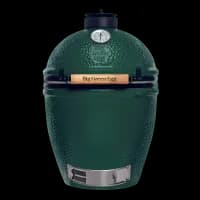 Big Green Egg LargeThe Big Green Egg Large is the ideal base for bringing the espeto home: its ceramic mass builds a stable, powerful ember bed that, pushed to one side with the lid open, delivers exactly the lateral radiant heat sardines want. The Large size leaves plenty of room to bank the fire to one half and roast batch after batch without losing intensity.
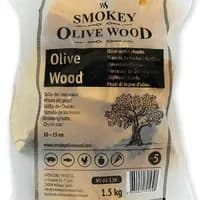 Smokey Olive Wood Olive Wood Chunks 1.5 kgThe aroma that defines a Málaga espeto comes from olive wood, and these chunks bring it to the kamado. A couple of pieces over the embers add a mild, sweetish, very Mediterranean smoke, perfect for a delicate oily fish like sardine without masking it. It is the touch that ties the recipe to the coast, far gentler than intense smoking woods such as hickory.
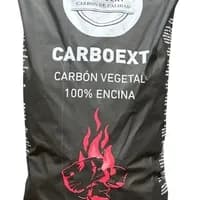 Carboext 100% Holm Oak Lump Charcoal, 15 kg Sack
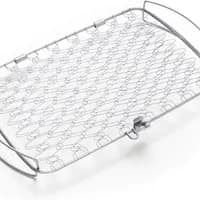 Weber Fish & Vegetable Basket 6471, stainless steel 46 × 28 cm
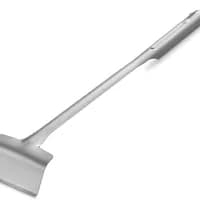 Weber Charcoal Rake (7649)
Method
- 01
Salt the sardines
Choose shiny sardines with clear eyes, firm to the touch: freshness is everything here. Do not gut or scale them; rinse under cold water and pat dry carefully. Scatter them generously with coarse sea salt on both sides and rest them 15 minutes on a rack, so the salt seasons without drying the flesh.
- 02
Embers to one side
Light the kamado and, once the charcoal is well lit, push all the embers to one side with a poker or rake, leaving the other half clear. Drop a couple of olive-wood chunks onto the coals to perfume the smoke. You will work with the lid open: you are not after a closed, stable dome but the intense radiant heat of the ember bed, around 250 °C at the face of the fire.
- 03
Load the basket
Lightly brush the sardines with olive oil and lay 6-8 of them in a grilling basket, aligned and snug, all facing the same way. The basket replaces the espetero's cane: it keeps the fish flat and lets you turn every piece at once without the skin sticking or tearing, which is exactly what happens when they sit loose on the grate.
- 04
Roast by the side heat
Set the basket at the edge of the grate, beside the ember pile but not over the direct fire, so the sardines take the heat from the side. Roast 4-5 minutes without moving them, until the skin on the exposed side chars and the fat starts to sizzle. If a flare-up climbs, pull the basket aside for a few seconds: controlled dripping is part of the flavour, constant flames are not.
- 05
Flip and char
Flip the whole basket and roast the second side another 3-4 minutes, until the skin is toasted and the flesh looks opaque next to the bone. The sardines are ready when the dorsal fin pulls away easily and the flesh lifts off the spine; 10-12 minutes in total. Overshoot and this lean fish dries out fast, so pull them the moment they set.
- 06
Serve right away
Lift the sardines from the basket carefully and slide them onto a warm platter. Finish with a thread of olive oil, flaky salt, pepper and lemon wedges. Serve them steaming with rustic bread, ideally dipped in their juices, and a simple tomato salad. Eat them with your fingers, pulling the head to draw out the whole backbone, just like at any beach shack.
About this recipe
Few images sum up a coastal summer better than a skewer of sardines smoking beside the embers. It is beach-shack cooking at its purest: the freshest oily fish, coarse salt and fire, no sauces or tricks. Bringing that gesture to the kamado has a knack to it, because the magic of the espeto is not on the grate but in the side heat of the coals, which browns the skin and sets the flesh without drying it.
On the beach the espetero plants the cane in the sand at an angle, so the sardines take the heat from the side, never from below. That gentle radiation keeps the dripping fat off the flame, so the skin chars while the inside stays juicy. On the kamado you recreate it by pushing all the embers to one side and working with the lid open: the sardines roast at the edge, facing the heat rather than touching the grate directly.
A sardine asks only for coarse sea salt, added a few minutes ahead so it seasons without dehydrating. A couple of olive-wood chunks over the coals lend the Mediterranean aroma that marks a good espeto. And the great enemy, the skin tearing as you flip, is tamed without skewering: with a closed grilling basket you turn every sardine at once and release them whole, skin intact and crisp.
In 30 seconds
Fresh sardines salted with coarse salt, 15 min rest. Embers to one side of the kamado with olive-wood chunks, lid open. Roast by the side heat in a basket, 4-5 min per side, never over the direct grate. Done in 10-12 min, charred skin and juicy flesh. Serve with bread and lemon.
Will it fit your kamado?
Small
33-40 cm · Joe Jr, MiniMax
Tight
The 46 cm basket won't fit; with a smaller one, 3-4 sardines per batch, about 4-5 batches.
Medium
46-51 cm · Classic, Large
Tight
The 46×28 cm basket probably won't lie flat; with a shorter one, 6-8 sardines per batch, 2-3 batches.
Large
56-61 cm · Big Joe, XL
Fits
The basket fits comfortably beside the embers; probably two batches.
What to serve with it
Sides
- Ripe tomato and onion salad
- Grilled Padrón peppers
- Rustic sourdough bread
- Wine
- Young white from Rueda or a Sanlúcar manzanilla
- Beer
- Ice-cold pale lager
- Alcohol-free
- Alcohol-free summer red with lemon
Leftovers and storage
- In the fridge
- Airtight in the fridge within 2 h; eat within 1-2 days.
- Freezing
- Does not freeze well once grilled: the flesh breaks down and turns stale.
- Reheating
- Best cold or just warm; if needed, 2-3 minutes in a hot pan so they don't dry out.
- Using them up
- Flaked onto toast with grated tomato, or tossed into a roasted pepper salad.
Cool and refrigerate within 2 hours. When in doubt, throw it out.
Leftover embers
You still have embers: what to do with the leftover heat
For 12 min at 250 °C in a classic kamado you load about 800 g of charcoal and burn 600 g: when you serve, about 250 g of live embers remain. Before you shut the vents, that is still enough for:
Without touching the vents
250 °Cgrilled vegetables
25 minof embers
- Rum-glazed grilled pineapple on the kamado14 min · 220 °C
- Bacon-Wrapped Dates on the Grill14 min · 210 °C
- Garlic Butter Naan on the Kamado18 min · 260 °C
No recipe needed
- Strips of courgette and aubergine, char-marked (5 min)
- Pita or naan from shop dough, on the grate (3 min each)
- Halved tomatoes, cut side down, for a sauce (10 min)
Closing the vents halfway and waiting for it to drop
140-200 °Cdessert while you eat
35 minof embers
- Garlic-stuffed portobello mushrooms grilled in the kamado22 min · 190 °C
- Smoked Loaded Nachos on the Kamado12 min · 185 °C
- Brioche Burger Buns on the Kamado18 min · 190 °C
No recipe needed
- Yesterday's bread with oil and garlic, on the grate (10 min)
- Corn cobs in their husks (30 min)
Before opening the lid, crack it open for a few seconds first; if you raise the heat, stir the ash so the coals can breathe. And if you are not going to use them: once the food is out, close the bottom and top vents. The charcoal that does not burn (about 250 g) can be used next time. Different size of kamado? Work out your load for 1 h of fire, lighting included.
History of the dish
- Origin
- El Palo and El Perchel, Málaga (Spain)
- Period
- 19th century; the moraga appears in a lithograph from 1850–1852
- Where it is cooked today
- The whole Málaga coast, from the western Costa del Sol to the Axarquía; beach bars and moragas, mainly May to October
The espeto is the signature dish of the Málaga coast: sardines threaded onto thin canes and roasted over a wood fire on the beach sand, a practice known locally as making a «moraga». It began as the fishermen's way of using up fish left unsold, among the fishing communities of El Perchel and El Palo, in the 19th century. The moraga already appears in a lithograph dated between 1850 and 1852.
The first espetos are believed to have reached the wider public in El Palo in the late 19th century, when the train and the tram brought people from Málaga to its beaches and the merenderos, forerunners of today's beach bars, sprang up. Tradition puts the date at 1882, when Miguel Martínez Soler, «Migué el de las sardinas», opened the merendero La Gran Parada. The story goes that in January 1885 Alfonso XII visited and that Migué, seeing him with a knife and fork, told him: «Not like that, Majesty, with your fingers»; it is an anecdote handed down by tradition rather than a documented fact.
Today the Atlas of the Intangible Heritage of Andalusia records the espeto of sardines on a cane and the craft of the moragaor. It is made all along the Málaga coast and draws tourists to its beach bars.
Sources
- El espeto de sardinas en caña — Atlas del Patrimonio Inmaterial de Andalucía, Guía Digital del IAPH (Junta de Andalucía) (guiadigital.iaph.es)
- «Es muy raro encontrar un espetero»: el oficio se está perdiendo — Infobae (2026) (infobae.com)
- El espeto malagueño: una receta tan sencilla que un rey tuvo que aprender a comerla con las manos — El Observador (elobservador.com.uy)
- Espeto de sardinas: técnica y origen — Vozpópuli (Gastrópoli) (vozpopuli.com)
Editor's tips
- Freshness rules: use day-boat sardines with bright eyes and firm flesh. A soft or strong-smelling sardine is not saved by any fire.
- Never put it over the direct fire. The espeto roasts from the side: if the fat drips onto the coals and ignites, the black smoke turns the fish bitter.
- If your sardines vary in size, group them by gauge in separate baskets or batches: small ones cook in 7-8 minutes, large ones need a couple more.
Gear for this recipe
As an Amazon Associate, mikamado.es earns from qualifying purchases. At no extra cost to you.
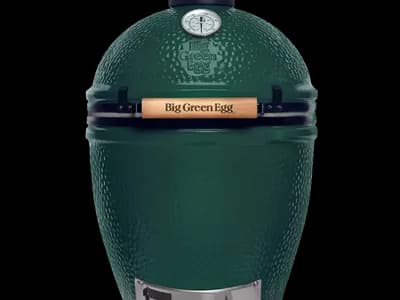
Big Green Egg Large
The Big Green Egg Large is the ideal base for bringing the espeto home: its ceramic mass builds a stable, powerful ember bed that, pushed to one side with the lid open, delivers exactly the lateral radiant heat sardines want. The Large size leaves plenty of room to bank the fire to one half and roast batch after batch without losing intensity.
€2,099
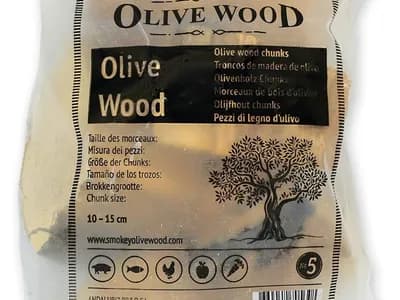
Smokey Olive Wood Olive Wood Chunks 1.5 kg
The aroma that defines a Málaga espeto comes from olive wood, and these chunks bring it to the kamado. A couple of pieces over the embers add a mild, sweetish, very Mediterranean smoke, perfect for a delicate oily fish like sardine without masking it. It is the touch that ties the recipe to the coast, far gentler than intense smoking woods such as hickory.
€18
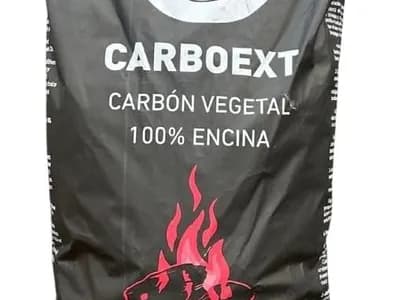
Carboext 100% Holm Oak Lump Charcoal, 15 kg Sack
€38
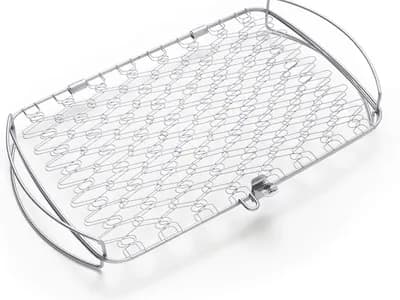
Weber Fish & Vegetable Basket 6471, stainless steel 46 × 28 cm
€38

Weber Charcoal Rake (7649)
€24
Have you made it?
Tell us how it turned out on your kamado. We review every rating before publishing it.
No published ratings yet. Be the first!
FAQ
Why aren't the sardines grilled over the direct grate?
Because the espeto cooks by side heat. Over direct fire the fat drips, ignites and produces black smoke that turns the fish bitter; from the side, the skin chars and the flesh stays juicy without constant flames.
Do you need to gut and scale the sardines?
Not for the traditional espeto: they roast whole, gut and scales included. The scales protect the skin and the inner fat keeps the flesh juicy. You clean them on the plate, pulling the head to remove the backbone.
How long do sardines al espeto take on the kamado?
Between 10 and 12 minutes: about 4-5 minutes on the first side and 3-4 on the second, by the side heat of the embers. They are done when the flesh lifts off the spine and the dorsal fin pulls away on its own.
What wood or charcoal gives an authentic flavour?
The classic Málaga espeto aroma comes from olive wood. A few olive chunks over the kamado's embers add that mild, Mediterranean smoke; with holm oak or quebracho charcoal as the base, the profile is clean and coastal.
How do I keep the sardines from sticking and breaking?
Use a grilling basket: it holds the fish flat and lets you flip every piece at once without handling them individually. Brush the sardines with a little oil and don't move them until the skin has set and releases on its own.
Can I make this recipe with a different cut instead of sardines?
Large prawns and cuttlefish keep the hot direct fire and cook in minutes. Portion-size fish moves to indirect heat and is checked with a probe next to the bone. The flesh decides, not the clock.
What do I do with the embers left after making Skewered Sardines al Espeto on the Kamado?
After 12 min at 250 °C in a classic kamado about 250 g of live embers remain: 25 min more at 250 °C without touching the vents or 35 min at 140-200 °C closing the vents. If you are not going to use them, close both vents and keep the charcoal for next time.
More kamado recipes
KEEP READING
Go deeper on this dish
- Recommended kamado
Big Green Egg Large
The Big Green Egg Large is the ideal base for bringing the espeto home: its ceramic mass builds a stable, powerful ember bed that, pushed to one side with the lid open, delivers exactly the lateral radiant heat sardines want. The Large size leaves plenty of room to bank the fire to one half and roast batch after batch without losing intensity.
- Editorial guide
How to light a kamado: the step-by-step method
No petrol, no weird tablets and no 45-minute waits. The cone method, airflow control and the mistakes that prevent 80% of the frustration.
- Glossary term
Heat deflector
Ceramic plate placed between the coals and the grate to turn direct fire into indirect cooking.
- Related comparison
big green egg large vs kamado joe classic iii
The classic kamado matchup: the Big Green Egg Large, the indestructible pioneer with the widest accessory network, agai…