IDEAS
What to Cook in a Kamado: Ideas Beyond Meat
A kamado isn't just a steak machine. Pizza, bread, vegetables, fish, rice and even dessert come out just as well. Here's how, and at what temperature.
Quick answer
A kamado cooks far more than meat: Neapolitan pizza at 350-400 °C, sourdough bread, charred vegetables, smoked fish and seafood, rice dishes and even desserts. Being a closed ceramic oven, it holds heat and moisture like a wood-fired oven. With a deflector and a pizza stone you cover nearly every family of dishes.
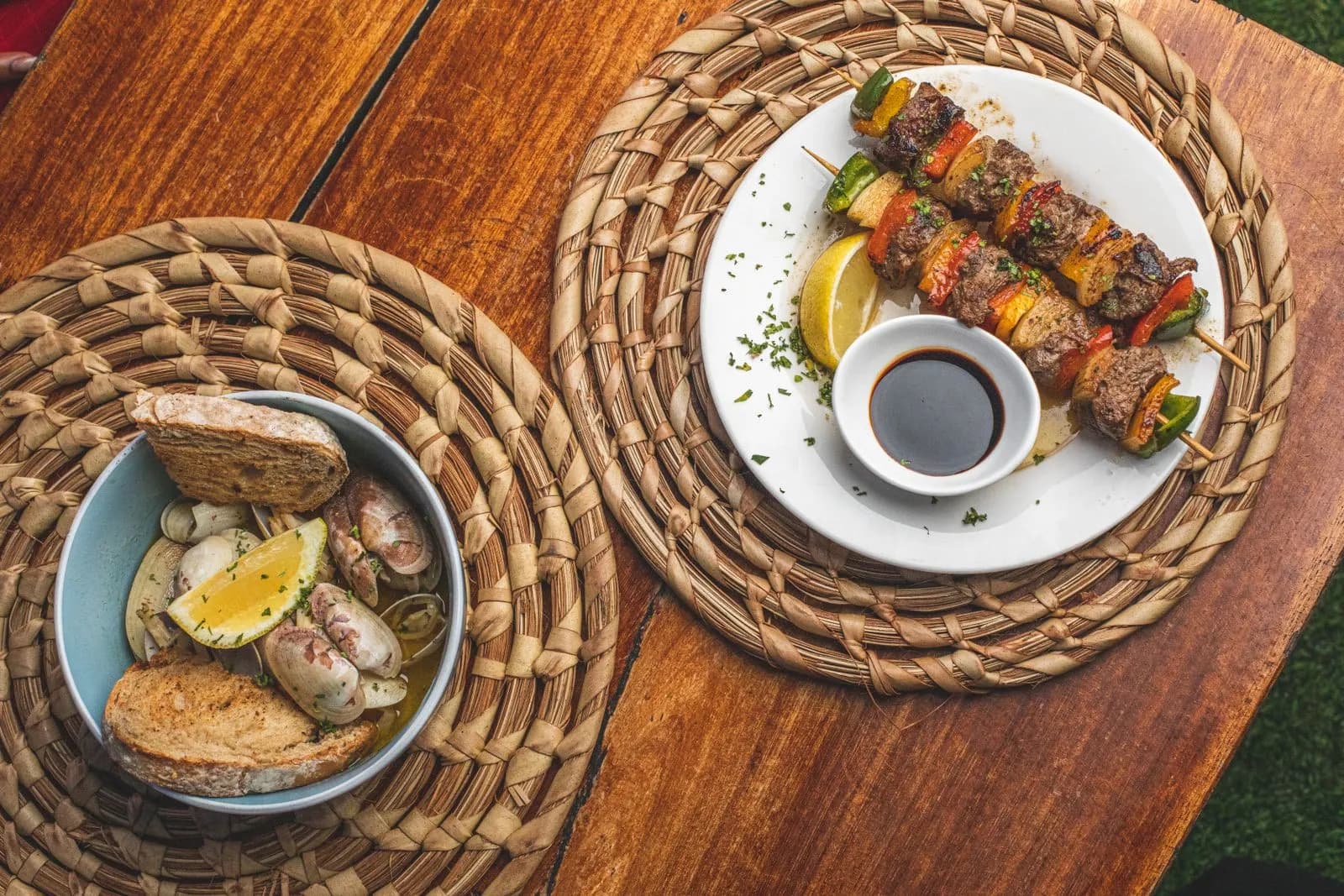
Yes, a kamado can cook far more than meat. Neapolitan pizza comes out with a crisp floor and a blistered crown, sourdough bread with a bakery crust, vegetables with a smoky sweetness you won't get from a home oven, and fish and seafood take on a smoke note no pan can match. The reason: a kamado is essentially a sealed ceramic oven that holds heat like few appliances and keeps moisture inside.
In this guide we run through six families of dishes we've cooked for years on our terrace in Torrevieja, with the why behind each one, the temperature and method (direct, indirect or smoked), plus a link to the site recipe. We include an ideas-by-category table to keep handy. If you bought your kamado for meat and only ever grill steaks, you're leaving half the machine unused.
Pizza and bread: the kamado as a wood oven
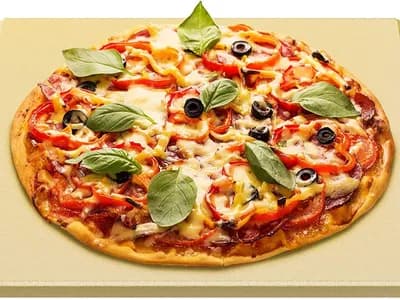
This is where the kamado shows up your home oven. With the deflector in and a cordierite stone on top, you build a stone-floor oven that holds heat ferociously: load the ceramic to 350-400 °C, open the lid to slide the pizza in, and the floor barely drops. At that temperature a Neapolitan cooks in 90 seconds to 3 minutes depending on how hot the stone is (a true pizzeria's 60-90 seconds wants 430-485 °C), with a blistered crown and a base that's dry inside and crisp outside. The trick is to preheat the stone at least 30-40 minutes so it stores real heat, not just surface warmth.
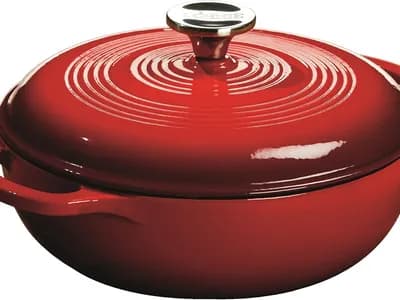
Bread works thanks to the kamado's other virtue: moisture. A sourdough loaf inside an enamelled cast-iron Dutch oven, at 230 °C indirect, bakes in its own steam for the first 20 minutes and emerges with a bakery crust. Focaccia, direct on the stone at 250 °C, comes out airy and golden. This is the family that most convinces the sceptics.
Vegetables: a smoky sweetness the oven can't give
Vegetables are, for us, the kamado's most welcome surprise and what we cook most in summer on the Costa Blanca, when the market is bursting with peppers, aubergines, courgettes and asparagus. The dry, live heat of the coals caramelises the vegetable's sugars on the outside while the inside steams in its own water. The result is a concentrated sweetness and a smoky edge that an electric oven, with its damp, flat heat, never reproduces.
They go over direct heat, on the grate, between 200 and 230 °C. Whole peppers and aubergines until the skin wrinkles and blackens; courgettes and asparagus in batons, turned once to mark the grill. An escalivada done this way, peeled hot and dressed with good oil, is among the best things to come off a kamado. And always use the residual heat: when you shut down after a meat cook, throw on some vegetables, don't waste those embers.
Fish and seafood: from octopus to smoked salmon
We live a step from the Mediterranean, so kamado fish is a weekly affair. The kamado nails it for two reasons: the ceramic radiates an enveloping heat that cooks without drying out, and you can play with smoke, impossible in a pan. A whole fish, sea bream or sea bass, over gentle direct heat at 180-200 °C, comes out with crisp skin and juicy flesh in 15-20 minutes.
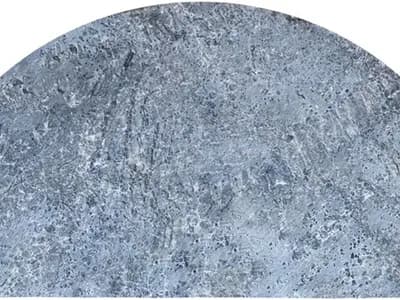
Galician-style octopus takes on an extraordinary texture if you finish it seared over the coals after pre-cooking. Prawns and langoustines, direct at 220 °C, cook in a couple of minutes per side. And salmon thrives on smoke, but mind which kind. Our guajillo smoked salmon is hot-smoked: it is cured for 24 hours and then goes in at 130 °C indirect with apple and cherry wood until it reaches 60 °C in the centre, so it comes out cooked. Cold smoking is a different technique: the fish isn't cooked, it's cured and takes on smoke with the chamber below 30 °C, with the kamado unlit and a cold-smoke generator, not with coals. How to set it up, which months it works on the coast and why the salmon is frozen first are all in the cold smoking guide. Don't mix them up: at 110-130 °C the salmon cooks, it isn't cold-smoked. For thin or delicate pieces, a soapstone slab on the grate spreads the heat and stops them sticking or scorching underneath.
Rice, stews and wok: the stovetop your terrace lacks
Here the kamado stops being an oven and becomes a stovetop. With the grate over direct heat and a good paella pan on top, you have a powerful, highly adjustable heat source for outdoor rice. The appeal is twofold: the power of the coals for the socarrat and, if you add a few wood chips, a subtle smoky base a gas-hob rice will never have. Work between 220 and 250 °C for the sofrito and cooking, then drop the vents for the final rest.
Long stews, a casserole, beans, a curry, go in a cast-iron Dutch oven over indirect heat at 150-170 °C, where the kamado holds a steady oven temperature for hours on very little charcoal. And for wok stir-fries, the kamado delivers a flame and a temperature an electric hob can't come close to: direct grate, vents open, a screaming-hot iron wok and vegetables or noodles in constant motion. It's the extra burner your kitchen doesn't have.
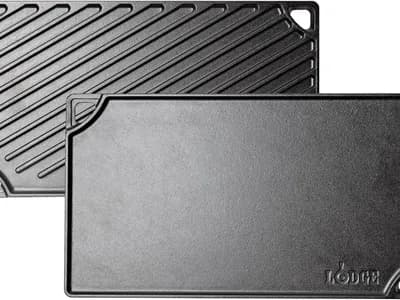
That same burner does weekend breakfasts, which is where it most surprised us: with a cast-iron griddle on the grate over direct heat at 180-200 °C, you cook eggs, bacon, sausages or a French omelette with all the snap of the stovetop and a faint smoky base. Preheat the griddle well, oil it lightly and work as you would on the hob at home. A whole brunch on the terrace without ever lighting the kitchen.
Desserts: roasted fruit, cobbler and a smoky touch
Dessert is the category most people forget, and it's a shame, because the kamado does things the oven can't. Roasted fruit is the gateway: peaches, plums or pineapple over gentle direct heat at 180 °C until they caramelise and release their juice. A couple of minutes a side, a drizzle of honey, and you have a dessert that tastes of summer. Whole apples and pears, stuffed, do better indirect at 170 °C, so they cook through without burning outside.
Cobbler, that American fruit-and-batter pudding, is the kamado's star dessert. It goes in an enamelled cast-iron Dutch oven over indirect heat at 180-190 °C for 35-45 minutes: the fruit bubbles below and the batter browns on top as in a real oven. Leave the deflector in with a couple of wood chips and it takes on a very fine smoky base that pairs beautifully with cinnamon. Tarts, crumbles, brownies in an iron pan, everything you'd bake in the oven, the kamado does with an edge you didn't expect from a dessert.
Ideas-by-category table and where to start
This is the cheat sheet we keep stuck to the terrace wall: one idea per category with its reference method and temperature. These are our starting numbers; adjust for your kamado, the wind and the thermometer, which matter more than any table.
| Category | Example | Method | Temperature |
|---|---|---|---|
| Pizza & bread | Neapolitan on stone | Indirect (stone) | 350-400 °C |
| Pizza & bread | Sourdough in Dutch oven | Indirect | 230 °C |
| Vegetables | Escalivada (pepper, aubergine) | Direct | 200-230 °C |
| Fish | Whole sea bream or bass | Gentle direct | 180-200 °C |
| Seafood | Prawns, langoustines | Direct | 220 °C |
| Smoked fish | Cold-smoked salmon (with generator) | Cold-smoked | <30 °C |
| Breakfast | Eggs and bacon on an iron griddle | Direct (griddle) | 180-200 °C |
| Rice | Paella with socarrat | Direct | 220-250 °C |
| Stews | Casserole in Dutch oven | Indirect | 150-170 °C |
| Desserts | Fruit cobbler | Indirect | 180-190 °C |
| Desserts | Roasted fruit | Gentle direct | 180 °C |
If you've never strayed beyond meat, our recommended order is: vegetables (zero risk, you use leftover coals), pizza (instant wow), fish midweek and, once you've got the feel, bread and desserts. To get the most out of the table, it helps to be clear on direct versus indirect heat and the deflector. In a weekend of practice you'll have doubled your kamado's repertoire.
Our advice after years of cooking on a kamado: start with pizza and vegetables. They're the two things that most surprise anyone who saw it as just a grill, and the ones that hook you. Pizza because the stone and retained heat deliver a pizzeria result; vegetables because a properly grilled pepper or courgette is every bit as good as a steak.
From there, the kamado becomes your outdoor oven and stovetop: bread on Sundays, fish midweek, a rice dish for guests, roasted fruit for dessert. The money you spend on a deflector and a good pizza stone pays for itself in a month of varied use. Don't keep the kamado in reserve for meat occasions; use it for what it is, a complete outdoor kitchen.
Gear featured in this guide
Recipes to get started
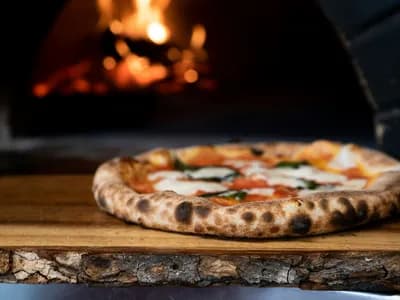
Neapolitan pizza on the kamado
At 350°C the base puffs in 90 seconds and the cornicione comes out leopard-spotted and pillowy. One pizza, three minutes, zero margin for error.
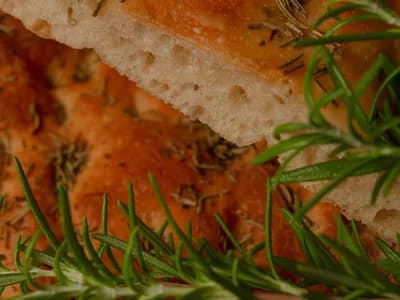
Rosemary focaccia on the kamado
A light focaccia on the kamado: 80% hydration, a stone running red-hot, Bajo Aragón olive oil and fresh rosemary, ideally cut from the plant rather than dried.
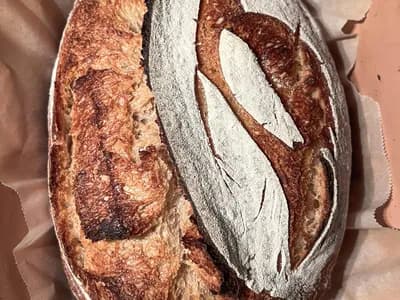
Rustic sourdough loaf in a dutch oven on the kamado
The definitive loaf: 24 hours of fermentation with active starter, cold retard in a banneton and a dutch oven that turns the kamado into a pro bakery oven.
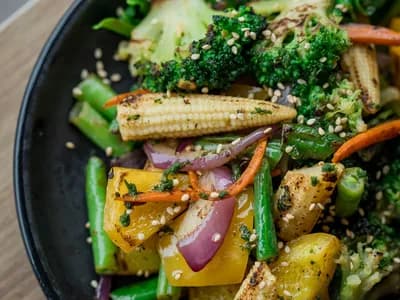
Costa Blanca grilled seasonal vegetables on the kamado
Eggplant, zucchini, Levante red pepper, red onion and whole skin-on garlic, grilled direct at 220°C and finished with warm sherry vinaigrette. A vegetarian plate that stands on its own, not a side.
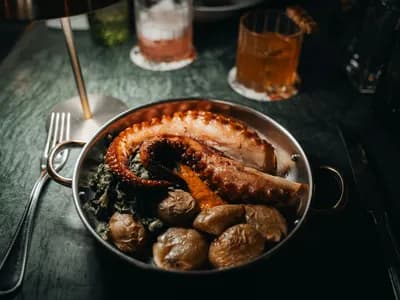
Galician-style octopus on the kamado
The classic Galician "á feira" octopus with a twist: after the traditional boil, the tentacles hit the hot kamado and pick up charcoal aroma.
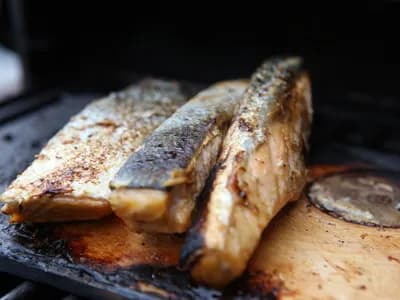
Guajillo-cured smoked salmon, low indirect
A 900 g salmon fillet, 24 hours dry-cured in Maldon salt, brown sugar, ground guajillo and dill. Smoked at 130°C with apple and cherry. Silky texture and a spicy crust.
GO DEEPER
Continue with these
- Related guide
5 essential accessories to get started with your kamado
Heat deflector, probe, lighter, cover and cast iron: what truly earns its price on day one, and what is just hot air.
- Related guide
Direct vs Indirect Cooking in a Kamado: The Deflector
When to cook over the coals and when with surrounding heat, what the ceramic deflector does, and how to build the indirect zone without getting it wrong.
- Related guide
Your first kamado: the complete pre-purchase guide
Size, materials, brand and budget. Everything you have to decide before clicking Buy, told by someone who has made enough mistakes.
- Recipe to practice
Neapolitan pizza on the kamado
At 350°C the base puffs in 90 seconds and the cornicione comes out leopard-spotted and pillowy. One pizza, three minutes, zero margin for error.
- Recipe to practice
Rosemary focaccia on the kamado
A light focaccia on the kamado: 80% hydration, a stone running red-hot, Bajo Aragón olive oil and fresh rosemary, ideally cut from the plant rather than dried.
- Recipe to practice
Rustic sourdough loaf in a dutch oven on the kamado
The definitive loaf: 24 hours of fermentation with active starter, cold retard in a banneton and a dutch oven that turns the kamado into a pro bakery oven.
- Editorial comparison
big green egg large vs kamado joe classic iii
The classic kamado matchup: the Big Green Egg Large, the indestructible pioneer with the widest accessory network, again
- Glossary term
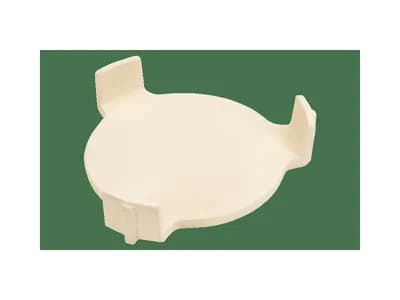
Heat deflector
Ceramic plate placed between the coals and the grate to turn direct fire into indirect cooking.
- Glossary term
Pizza stone
Refractory cordierite or ceramic disc that stores heat and cooks a pizza base by direct contact.
- Glossary term
Cherry
Mild, slightly sweet fruitwood smoke; gives meat a reddish bark and is versatile across proteins.
Frequently asked questions
Do I need the deflector to cook anything other than meat?
For many things, yes, and it's the accessory that gets the most out of a kamado. The deflector turns direct coals into indirect, oven-style heat, essential for bread, stews, cobbler and smoked salmon. You also use it for pizza, with the stone on top. Vegetables, prawns or whole fish over direct heat don't need it. If you buy only one extra accessory, make it the deflector.
Does the same stone work for pizza and bread?
Yes, a good cordierite stone works for both, though the use differs. For pizza you set it on the deflector and load it to 350-400 °C; for bread you can bake directly on it at 230 °C, though we prefer a cast-iron Dutch oven because it traps the steam and gives a better crust. Avoid thin, cheap ceramic stones: they crack from the kamado's thermal shock.
How do I stop fish sticking to the grate?
Three rules that work for us: a properly hot grate before the fish goes on, the skin rubbed with a little oil, and don't touch it until it releases on its own (pull too early and you tear the skin). For thin or delicate pieces, a soapstone slab or an iron griddle spreads the heat and avoids the problem entirely. And don't flip more than needed: once per side is plenty.
Can I make desserts without them tasting of smoke or meat?
Yes, no problem. Meat smoke clings to fats and juices, not to the ceramic, so a dessert won't pick up that flavour if the kamado is clean. For delicate desserts, cook indirect with the deflector and add no wood chips: you'll get a neutral oven heat. If you want a deliberate smoky note, as in a cinnamon cobbler, then add one or two mild chips.
Where do I start if I've only grilled meat so far?
With vegetables and pizza. Vegetables are zero risk: you use the residual heat from a meat cook, put them over direct heat and learn to read the coals without risking an expensive cut. Pizza is the next step because the wow effect is instant. With those two mastered, fish and bread follow naturally. In a couple of weekends you'll have widened your repertoire enormously.