Analysis by Valery Grin · · updated May 25, 2026
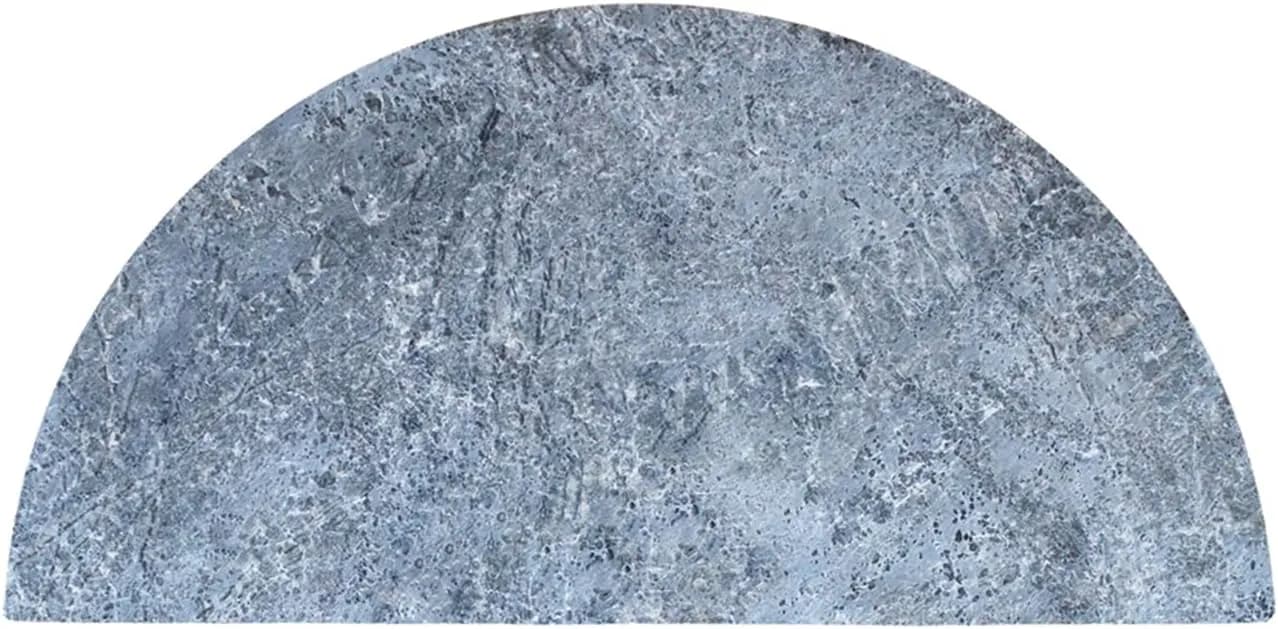
Kamado Joe SoapStone griddle
Natural stone, superior heat retention
From€126
Price verified on Amazon on October 11, 2026 · may change
As an Amazon Associate, mikamado.es earns from qualifying purchases. At no extra cost to you.
Quick answer
Yes, the Kamado Joe SoapStone is a solid buy if you want to widen your Kamado Joe's range. This natural stone retains heat exceptionally and turns the kamado into a teppanyaki griddle or a bread oven: even cooking, good sear marks on meat, and the option to do eggs, pancakes or delicate vegetables without losing them to the coals. It's for owners of a Kamado Joe Classic II/III who want to play with brunch, teppanyaki or bread. If you only do direct-fire grilling on the grate, it won't add much value.
The stone that turns your Kamado Joe into a teppanyaki grill or a bread hearth. Even heat, perfect sear marks and the ability to cook eggs, pancakes or delicate vegetables without losing them in the coals.
SoapStone (steatite) is a natural stone that holds heat far better than steel or cast iron. Once hot, it releases energy steadily: it sears meat instantly and cooks it through without drying out. Compatible with the Divide & Conquer system on the Classic II/III.
A perfect excuse to cook eggs, pancakes and steaks on the kamado.
Editorial rating from spec sheet, measurements and kamado fit · not a hands-on test
Pros
- Better heat retention than steel or cast iron
- Native fit on Divide & Conquer
- Versatile: griddle, bread hearth, pizza base
- Natural stone, no chemical coatings
Cons
- Heavy — gloves are mandatory
- Needs an initial oil seasoning
Who it's for
If you own a Kamado Joe Classic II/III and want to expand its range (teppanyaki, brunch, bread).
Not for
If you only do direct grilling — it adds less value.
As an Amazon Associate, mikamado.es earns from qualifying purchases. At no extra cost to you.
Goes well with
FAQ
How do you season a new soapstone?
Three passes: rub on coconut or sunflower oil with paper, heat to 180°C for 30 min, let cool. Repeat three times. After the third, the stone darkens and stops sticking. From then on, every normal use builds the patina. It improves with age, like a cast iron skillet.
What is the safe top temperature?
Soapstone takes a steady 600°C. In the kamado, useful searing happens at 350-400°C on the stone; past that you burn oil and harm the patina. Avoid thermal shock: never place a cold stone on red coals, never wet a hot stone. Heat it gradually.
How do you clean it after cooking?
Metal scraper while hot, push debris to a bin. Then a paper towel with a splash of oil — that refreshes the patina. No soap, no pressure water. If it gets really crusty, another high-heat pass (250°C) burns off the residue.
Is it better than a cast iron griddle?
For very high searing, equivalent. For holding heat through long cooks (a whole brunch, bread baking), better: the stone retains heat 30-40% longer and releases it steadily. Downside: twice the weight of a cast iron griddle. For fast steaks only, the griddle is more practical.
YOU MIGHT ALSO LIKE
Go deeper
- RECIPE
Grilled peaches with honey and vanilla ice cream on the kamado
Peach halves with golden grill marks, a thread of honey, thyme and a quenelle of vanilla…
- KAMADO
Kamado Joe Classic III 18"
Native fit on the Divide & Conquer system. The soapstone takes the low rack and leaves room for a grate on top.