PREGUNTAS FRECUENTES
Kamado FAQ: Common Questions and Doubts Answered
The kamado's quick-answer hub: buying, lighting, cooking, upkeep and troubleshooting, with links to every deep guide for when you want the full detail.
Quick answer
Kamado questions fall into five blocks: buying (what it is and what size), lighting and temperature (driven by air, not embers), cooking (direct or indirect with the deflector), maintenance and climate (pyrolysis and a cover), and problems (air, charcoal and gaskets). This page answers each briefly and links the in-depth guide for every topic.
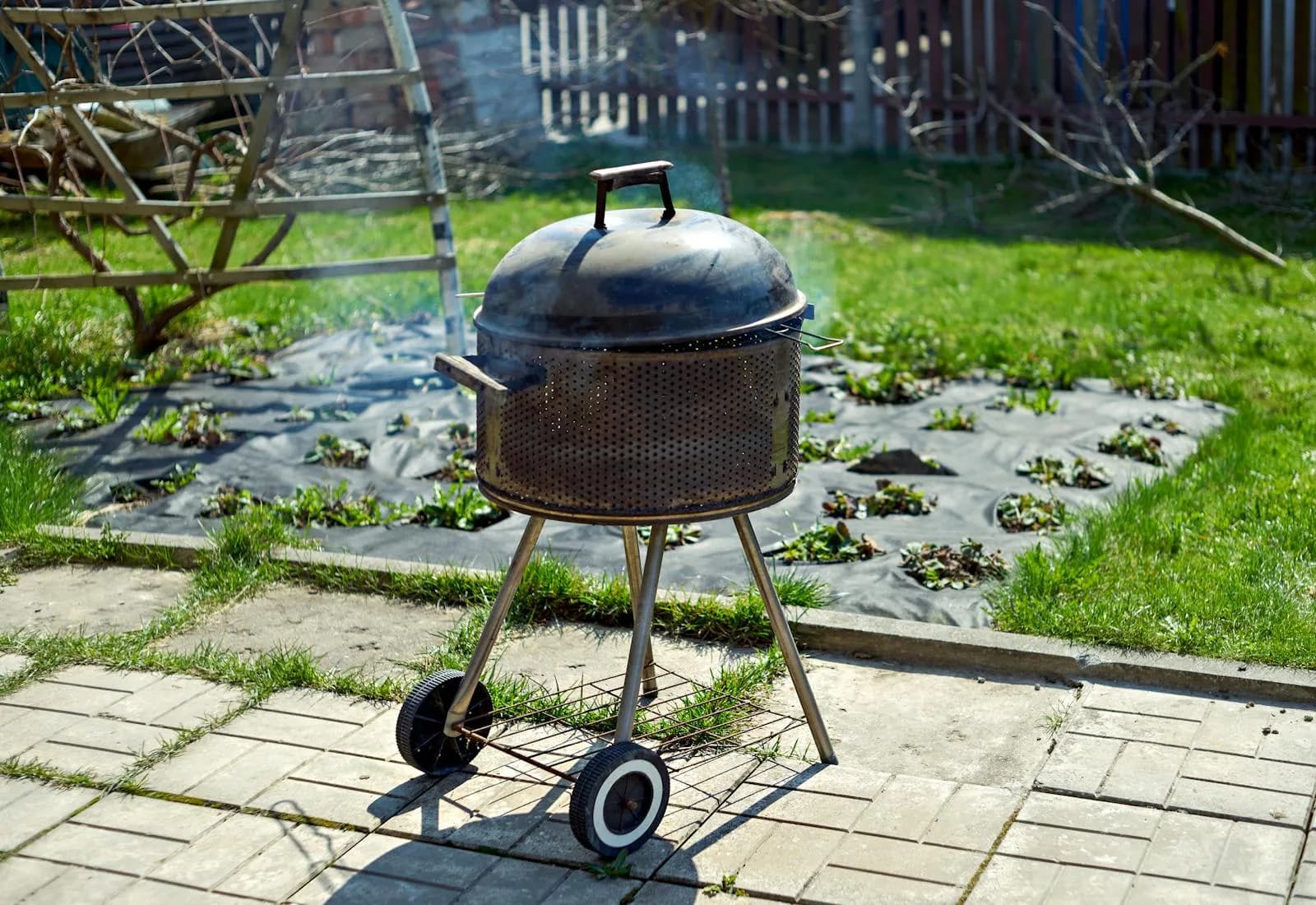
This page gathers the questions we get asked most about the kamado, grouped into five blocks — before buying, lighting and temperature, cooking, upkeep and climate, and common problems — with short answers that get straight to the point.
Think of it as a map. Each block gives you the quick answer and, if you want to dig deeper, points you to the full guide that covers the topic in detail. Start with whatever brought you here and pull the thread.
Everything here comes from cooking on a kamado on our terrace in Torrevieja, on the Costa Blanca, with all the sea salt and humidity that involves, cross-checked against manufacturer specs and the community. No catalogue theory.
| Block | Typical question | In-depth guide |
|---|---|---|
| Before buying | What is a kamado and what size do I pick? | Your first kamado |
| Lighting and temperature | How do I light it and hold the degrees? | Temperature control |
| Cooking | Direct or indirect? What else can it cook? | Direct vs indirect cooking |
| Maintenance and climate | How is it cleaned and how does it cope with the coast? | Maintenance and cleaning |
| Common problems | Why does it run away or the smoke taste bitter? | Temperature problems |
Before buying: what a kamado is and which to choose
The first batch of questions is always the same: what exactly a kamado is, whether it's worth it over a normal barbecue and what size to buy. In short: a kamado is an egg-shaped ceramic barbecue, descended from Japanese clay ovens, that holds heat like nothing else in the garden. Its strength is versatility — it sears at 300 °C, smokes at 110 °C and bakes pizza at 400 °C on the same charcoal.
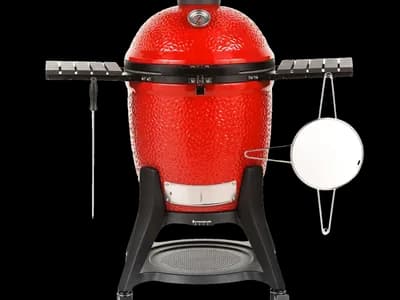
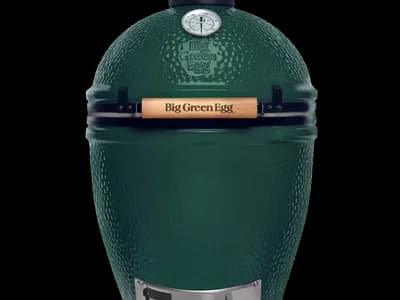
If you're starting from scratch, our first-kamado guide walks you through the purchase step by step, and the what-is-a-kamado guide explains how it works inside. Unsure if the investment pays off? We lay it out plainly in the pros-and-cons guide. And to decide between 13, 18 or 24 inches by number of diners, the sizing guide puts figures to each. Brands like Kamado Joe or Big Green Egg lead the mid-to-high range for good reasons.
Lighting and temperature: air is everything
The second big block of questions revolves around the fire: how to light it, how long it takes and how to hold temperature. The golden rule of the kamado is that it's driven by air, not coals. Open the vents and it climbs; close them and it drops. The ceramic has so much inertia that each adjustment takes 15-20 minutes to register, so you have to anticipate and close before you reach your target.
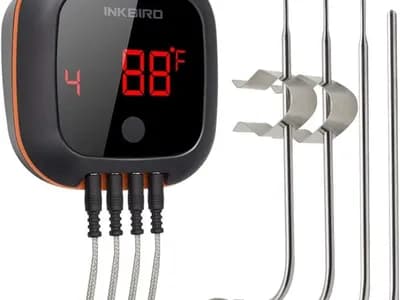
To light it without firelighters that leave a taste, our how-to-light-a-kamado guide explains the torch and chimney method. To nail and hold the degrees — searing at 250 °C or smoking at 110 °C — the temperature-control guide is your go-to. A reliable probe thermometer changes the game: you stop guessing and start cooking with data. For all-night fires, the Minion or Snake method gives you 12 hours without refuelling.
Cooking: direct, indirect and what you can make
Here come the tastiest questions: direct or indirect, where the deflector goes, and what you can cook beyond meat. The key is the deflector — that ceramic plate that separates food from direct fire. Without it, direct cooking to sear and char; with it, oven-style indirect cooking to smoke, roast large cuts and bake.
Our direct-vs-indirect-and-deflector guide clears up when to use each without confusing you. The kamado gives far more than a steak: bread, Neapolitan pizza, vegetables, whole fish. We open that up in the beyond-meat ideas guide. For crispy skin, a beer-can chicken over indirect heat comes out spectacular; and if dough is your thing, Neapolitan pizza on the kamado reaches the 400 °C a good base demands. Same machine, a thousand dishes.
Upkeep and climate: cleaning and life on the coast
The fourth block is the least glamorous but the one that extends the cooker's life: how to clean it, what charcoal to use and how it copes with winter and coastal weather. Good news: the kamado cleans itself most of the time. A burn-off at 250-300 °C every few cooks turns residue to ash. The real jobs are emptying ash often and checking the felt gaskets once a year.
Our maintenance-and-cleaning guide sets the minimum routine. Charcoal matters more than it seems: quality lump burns clean and spark-free, and we compare it in the which-charcoal guide. Here in Torrevieja, sea salt and humidity attack hardware and hinges; we tackle that in the protect-from-coastal-climate guide. And for the cold months, the kamado works perfectly in winter, it just eats a little more charcoal. A good cover is cheap and makes a difference.
Common problems: why the temperature won't settle
The last block covers the typical beginner scares: my kamado overshoots, I can't bring it down, or the smoke comes out bitter and the meat tastes off. Almost all share the same root — too much air or a badly built fire. If you overshot, closing the vents takes ages to drop because of ceramic inertia; you prevent it by closing earlier and lifting the lid carefully.
Our temperature-problems-and-solutions guide lists the faults one by one with the fix. Bitter smoke deserves its own chapter: it comes from cooking with thick white creosote smoke instead of thin blue smoke; we explain it in the bitter-smoke-vs-clean-smoke guide. Still climbing out of control? It's usually a worn felt gasket letting extra air in. Before you think the cooker is broken, check these three suspects: air, charcoal and gaskets.
If one idea sums up all these answers, it's this: the kamado isn't complicated, it's just different from a regular barbecue. Almost every doubt clears up once you understand that here air is in charge and ceramic has memory — it climbs slowly, holds for ages and drops reluctantly.
Use this page as a starting point and drop into the specific guide whenever you want the detail. And if you're left with a question that isn't here, we almost certainly cover it in one of the linked guides. The learning curve is two or three cooks; after that, the cooker works for you.
Gear featured in this guide
Recipes to get started
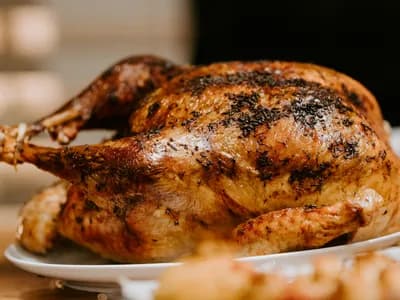
Beer-can chicken with crackling skin
The American beer-can chicken classic, taken to the kamado: the beer steams from within, the ceramic concentrates the heat and the skin finishes like crisp parchment.
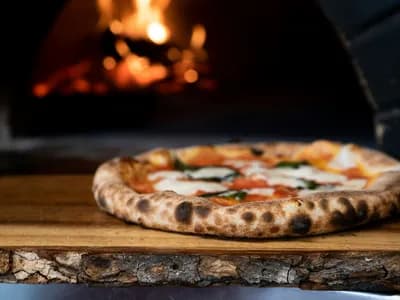
Neapolitan pizza on the kamado
At 350°C the base puffs in 90 seconds and the cornicione comes out leopard-spotted and pillowy. One pizza, three minutes, zero margin for error.
GO DEEPER
Continue with these
- Related guide
Your first kamado: the complete pre-purchase guide
Size, materials, brand and budget. Everything you have to decide before clicking Buy, told by someone who has made enough mistakes.
- Related guide
What Is a Kamado: The Complete Guide
What a kamado is, how it works and what it's for: the honest guide to understanding the ceramic grill before you buy.
- Related guide
Kamado Temperature Control: The Pitmaster's Guide
The dual airflow system, the rookie mistake of overshooting, and why the dome thermometer lies. This is the skill that separates a beginner from a pitmaster.
- Related guide
Direct vs Indirect Cooking in a Kamado: The Deflector
When to cook over the coals and when with surrounding heat, what the ceramic deflector does, and how to build the indirect zone without getting it wrong.
- Related guide
How to maintain and clean a ceramic kamado
Ceramic almost cleans itself: burn-off, grates, gaskets and rust, explained with no miracle products and no needless chemicals.
- Recipe to practice
Beer-can chicken with crackling skin
The American beer-can chicken classic, taken to the kamado: the beer steams from within, the ceramic concentrates the heat and the skin finishes like crisp parchment.
- Recipe to practice
Neapolitan pizza on the kamado
At 350°C the base puffs in 90 seconds and the cornicione comes out leopard-spotted and pillowy. One pizza, three minutes, zero margin for error.
- Editorial comparison
big green egg large vs kamado joe classic iii
The classic kamado matchup: the Big Green Egg Large, the indestructible pioneer with the widest accessory network, again
- Glossary term
Heat deflector
Ceramic plate placed between the coals and the grate to turn direct fire into indirect cooking.
- Glossary term
Gasket
Fibre band that seals the join between the ceramic base and lid, ensuring the kamado is airtight.
- Glossary term
Felt gasket
Untreated wool-fibre gasket; cheap, effective at low temperatures, burns above 320 °C.
Frequently asked questions
What exactly is a kamado?
A kamado is an egg-shaped ceramic barbecue, descended from Japanese clay ovens. The thick ceramic holds heat and moisture like nothing else, letting you cook from 100 °C for smoking up to 400 °C for pizza, on little charcoal and with a temperature stability a metal barbecue simply can't match.
Is a kamado worth buying?
If you cook outdoors more than a few times a month and care about smoking, slow roasting and versatility, it's worth it. The upfront cost is high, but the ceramic lasts decades, uses little charcoal and does things no gas or metal barbecue can. For very occasional use, it may not pay off.
What size kamado should I buy?
For most households, an 18-inch (classic) kamado is plenty: it feeds 4 to 8 people and balances capacity against charcoal use. The 24-inch is for large gatherings or whole cuts; the 13-15-inch suits couples, balconies or travel. When in doubt, the classic is almost always the right call.
How do you light a kamado?
Put lump charcoal in the basket and light a single spot, not the whole chamber: an electric torch or natural firelighters need just 10-15 minutes. Leave the lid and vents open until some coals catch; then close up and let the ceramic climb on its own. Never use lighter fluid, it leaves a petrol taste.
How do I keep the temperature stable?
The kamado is governed by air, not coals. Set the temperature by opening or closing the bottom vent and top chimney, then leave them alone. The ceramic has heavy inertia: each change takes 15-20 minutes to show. The key is to close before you reach your target, because dropping is far harder than climbing.
What is the heat deflector for?
The deflector is a ceramic plate placed between the fire and the food to turn the kamado into a convection oven. Without it, direct cooking: you sear, mark and char close to the fire. With it, indirect cooking: you smoke, roast large cuts and bake bread or pizza without direct heat scorching the base.
What charcoal should I use in a kamado?
Always use lump charcoal, never briquettes with binders or chemically treated charcoal. Quality lump burns clean, with no sparks or odd smells, reaches high temperatures and leaves less ash. Marabú, holm oak or quebracho are excellent choices. Lump size matters: medium and large pieces burn more steadily than fine ones.
How much charcoal does a kamado use?
Far less than you'd think. Thanks to the ceramic, a kamado uses a fraction of a metal barbecue's charcoal. For a couple of hours at 200 °C, half a basket is plenty. And best of all: unburnt charcoal is reused next cook after shaking off the ash. It's one of the kamado's great savings.
Is a kamado hard to clean?
Hardly. The kamado mostly cleans itself: a clean-burn at 250-300 °C every few cooks turns residue to ash you then remove. The only regular job is emptying the ash at the bottom with a poker and checking the gaskets once a year. No scrubbing greasy grates like on a gas barbecue.
Can I use the kamado in winter or on the coast?
Yes. The ceramic insulates so well that cold barely affects the cook; you'll just use a little more charcoal to hold the degrees. In coastal areas like the Costa Blanca, the enemy is sea salt: protect hardware and hinges, oil them occasionally and use a breathable cover. The ceramic won't rust, but the metal and gaskets do suffer.
Why does my kamado temperature overshoot?
Almost always from too much air or reacting late. If you open the vents wide or lift the lid too long, oxygen rushes in and the fire speeds up; thanks to ceramic inertia, it then takes hours to drop. The fix is to close the vents before reaching your target and open the lid in two stages. A worn gasket also lets extra air in.
Why does my food taste of bitter smoke?
Because you're cooking with thick white creosote-laden smoke instead of thin blue smoke. It happens when you start too early, with the charcoal not settled, or by adding too much wood at once or wet wood. Wait for the smoke to clear and turn nearly invisible before adding food, use dry wood chunks and don't pile them. Clean smoke tastes sweet, not acrid.