FUNDAMENTOS
What Is a Kamado: The Complete Guide
What a kamado is, how it works and what it's for: the honest guide to understanding the ceramic grill before you buy.
Quick answer
A kamado is a double-walled ceramic barbecue, descended from Japanese clay ovens, that cooks by radiating the heat stored in its walls. It runs on lump charcoal and two air vents alone, covers 80 to 400 °C, and works as a grill, a smoker and a wood-fired oven in a single unit that lasts decades.
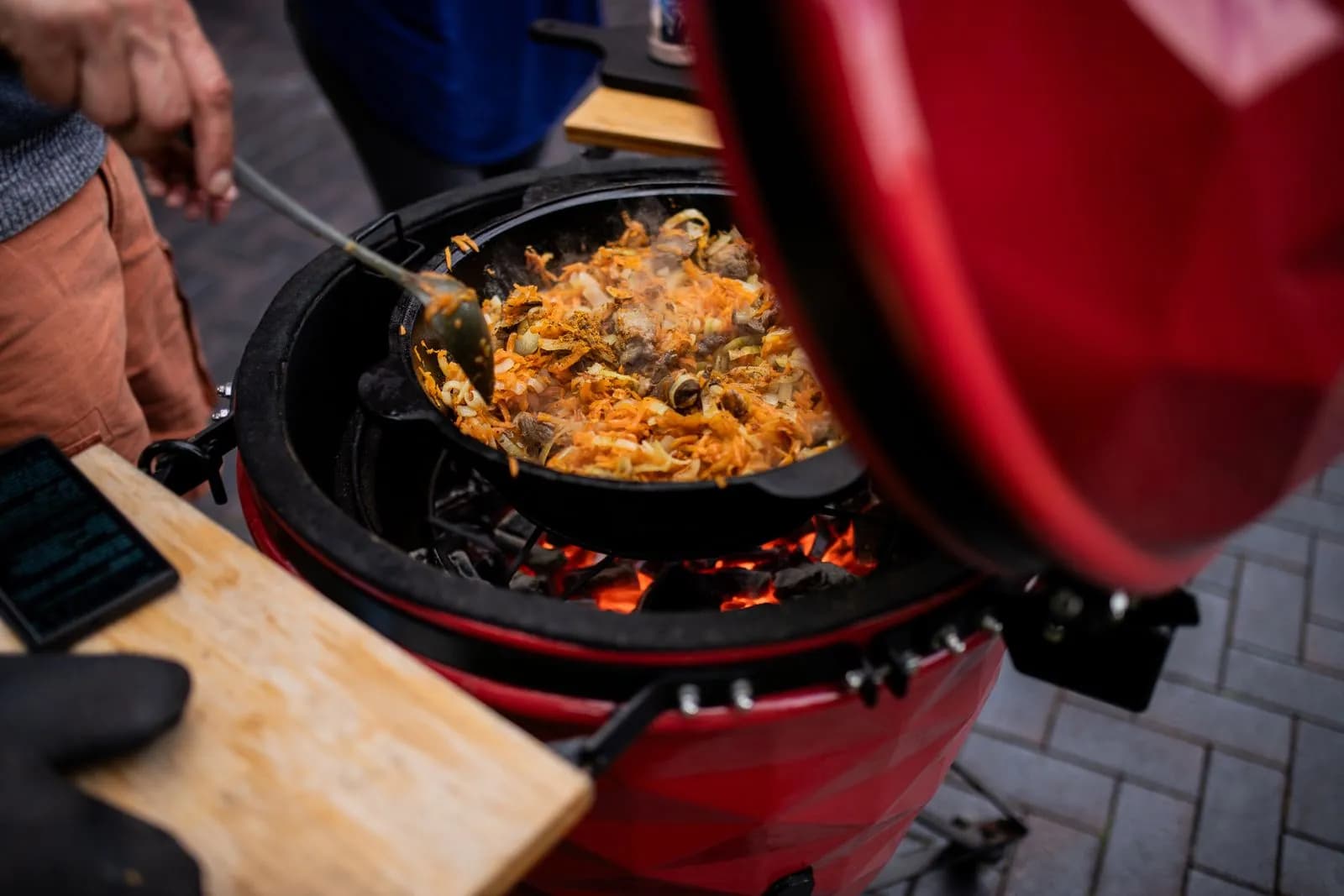
A kamado is a double-walled ceramic grill, descended from Japanese clay cookers, that cooks by radiating the heat stored in its walls. That refractory ceramic holds temperature for hours and lets you grill, smoke and bake from 80 °C up to 400 °C with a single appliance and lump charcoal.
At mikamado we'll say it plainly: a kamado is not just another barbecue. It's a wood-fired oven, a smoker and a grill all at once, packed into an 80 kg ceramic egg. That versatility is exactly what hooks anyone who tries one, and also what confuses people who arrive looking for "a barbecue for the weekend."
This guide answers the three questions everyone asks before spending the money: what it is exactly, how it works inside, and what it's really for. No empty jargon, real numbers, and written from the experience of having cooked on quite a few.
What a kamado is and where it comes from
The idea of cooking inside a closed clay vessel is roughly 3,000 years old. The earliest versions appear in China and were later refined in Japan, where the word kamado literally means "stove" or "hearth": a clay container with an air inlet at the bottom and a mouth on top, used to cook rice and stew. The modern kamado is the technological granddaughter of those pieces.
What defines a kamado today isn't the egg shape, even if that's its most recognisable silhouette, but the material: thick-walled refractory ceramic, usually 12 to 25 mm depending on the brand. That wall is the key to everything. It stores heat like a traditional bread oven and gives it back as steady radiation, instead of relying only on circulating hot air.
The European market hosts reference brands like Kamado Joe, Big Green Egg, Monolith and Primo, alongside entry options such as Char-Griller or Klarstein. They all share the principle: an airtight ceramic body, two air vents and a heavy hinged lid. Ceramic thickness, hardware and accessories change, but the physics is the same.
How a kamado works inside
The secret of a kamado is two vents and nothing more. There's an air inlet at the base, right under the coals, and a draft outlet at the top of the lid. Cold air enters at the bottom, passes through the lit lump charcoal and exits hot at the top, creating an upward draft. The more you open the vents, the more oxygen reaches the coals and the higher the temperature climbs. The more you close them, the more the fire is starved and the temperature drops.
There's no thermostat, no burner, no gas regulator. Control is purely physical: with the bottom inlet open 2-3 cm and the top vent half-open you can hold a kamado at 110-120 °C for ten hours for a slow smoke. Open both fully and in 20-25 minutes you go from 250 to 350 °C to sear meat or launch a pizza.
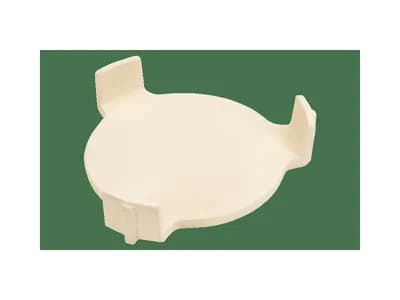
The second key part is the heat deflector, also called a plate setter: a ceramic plate placed between the coals and the food. Without it you cook directly, like on a grill. With it you block the fire's direct radiation and turn the kamado into a closed convection oven, ideal for large cuts, bread or smoking.
Then there's the thick ceramic, which acts as a thermal flywheel. Once hot, the wall radiates heat so steadily that the kamado barely flinches when you open the lid for a few seconds. That same mass explains the low fuel use: a single load of 1-1.5 kg of charcoal can last a full day of cooking.
What a kamado is for: everything you can cook
This is where the kamado separates itself from any ordinary barbecue. Four different techniques, one appliance. The first is direct grilling: grate right over the coals, vents open, 250-350 °C, to sear a ribeye, make burgers or fire-roast vegetables in minutes. The ceramic gives a browning and juiciness a gas grill can't match.
The second, and many people's favourite, is low & slow smoking. With the deflector in, vents nearly closed and a few wood chips over the charcoal, you hold 110-130 °C for 8-14 hours. This is the technique behind brisket, pulled pork or fall-apart ribs. The kamado holds that temperature without you babysitting it every half hour, something unthinkable on an open charcoal grill.
The third is baking. With the deflector and a pizza stone you reach 350-400 °C and make a Neapolitan pizza in 90 seconds, with a puffed crust and crisp base. The same chamber, at 220 °C, bakes sourdough bread or a sponge cake with wood-oven results. The fourth is braising and stewing in a cast-iron pot: the enveloping, steady heat turns the kamado into a giant Dutch oven for rice dishes, long stews and whole roasted vegetables.
At mikamado we sum it up like this: if a recipe fits in the kamado, it almost always comes out better than in the kitchen oven. Ceramic radiation and a faint ember aroma do work no household appliance replicates.
Kamado vs traditional charcoal or gas barbecue
The natural question is: why spend more on a kamado when you could buy a classic charcoal barbecue or a convenient gas one? The answer lies in three areas: heat retention, versatility and fuel consumption.
An open charcoal barbecue, like a Weber kettle, is made of thin steel. It loses heat everywhere, cools fast when you open the lid and rarely holds a steady temperature for more than an hour or two without stoking the fire. It grills great over direct heat, but a 10-hour smoke is a constant fight. Gas is the opposite: extremely convenient to light, instant flame control, but a low temperature ceiling (rarely above 250-280 °C), no ember aroma and mediocre baking.
The kamado sits above both in almost everything except initial price and gas's immediacy. It reaches 400 °C for pizza, drops to 80 °C for smoking, holds temperature for hours effortlessly and burns far less charcoal thanks to the ceramic mass. In exchange it weighs 70-100 kg, takes 15-20 minutes to stabilise from cold and demands that you learn to work the vents. It's less plug-and-play and more craft. If you are weighing it against a charcoal kettle, we go into that in kamado vs Weber kettle.
Our honest recommendation: if you'll only make burgers on Sundays, a good charcoal barbecue is enough. If you want to smoke, bake, grill and experiment for the next twenty years with a single appliance, the kamado is worth every euro of the difference.
What size kamado you need
Size is measured by the grate diameter, not the total volume or weight. It's the figure that decides how many people you can feed in one batch and what large cuts fit. The practical rule is simple: count your usual diners, add a margin for guests and pick the matching diameter. The most common mistake is going too small, because the kamado looks huge empty and tiny when you try to roast two whole chickens.
These are the four standard market sizes, with a reference model for each and its ideal use:
| Diameter (cm) | Inches | Diners | Example model | Best for |
|---|---|---|---|---|
| 33 cm | 13" | 2-4 | Kamado Joe Joe Jr | Balconies, couples, taking on trips |
| 38 cm | 15" | 3-5 | Big Green Egg MiniMax | Small terraces, weekday use |
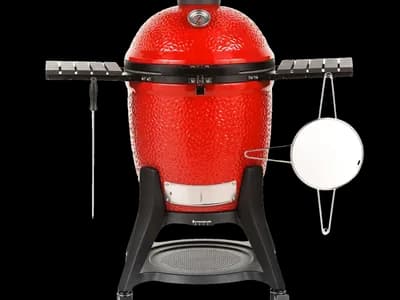
| 46 cm | 18" | 4-8 | Kamado Joe Classic III | The best-selling family all-rounder |
| 61 cm | 24" | 8-12 | Kamado Joe Big Joe III | Events, whole cuts, hosts |
The 46 cm (18 inch) size is the safe answer for most families: it fits two whole chickens, a crown of pork or six trimmed rib racks, with room for guests. Only drop to 33-38 cm if your space won't allow anything else or you cook for one or two. Step up to 61 cm if you host events often: the diameter jump nearly doubles the usable surface.
A note on space: grate diameter is not the external diameter. A Classic with a 46 cm grate occupies about 60-65 cm of ceramic body plus the side shelf or cart. Measure your terrace before deciding, not just the size of the meal.
How much a kamado costs and whether it's worth it
A kamado is an investment, not an impulse buy. The ceramic body is only part of the cost: to really cook you need a few essential accessories in the first year, above all the heat deflector and a reliable thermometer. It's wise to look at the first-year total, not just the sticker price. These are the realistic Spanish-market tiers, with no live prices and in broad ranges:
| Tier | Kamado alone | First-year accessories | First-year total |
|---|---|---|---|
| Entry (steel/thin ceramic) | Low | Low | Just enough to start |
| Mid (serious ceramic, Classic/Large) | Mid-high | Medium | A solid, lasting investment |
| High (XL, multi-level, smart) | High | Mid-high | Gear for heavy hosts |
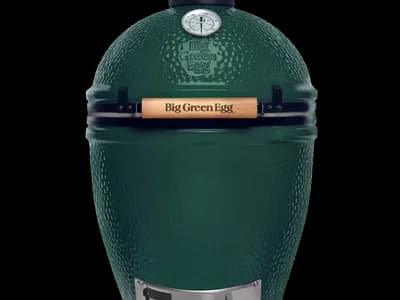
In the entry tier you'll find steel or thin-ceramic kamados that work but rarely offer a lifetime ceramic warranty, and are best treated as a first step, not a lifelong purchase. The mid tier, with thick refractory ceramic and serious brands like the Kamado Joe Classic or Big Green Egg Large, is where the balance lies for most: real durability, spare parts in Europe and an obvious quality jump. The high tier adds size, grate levels and, in some cases, automatic WiFi control.
Is it worth it? If you'll cook more than once a month and value smoking, baking and grilling with one appliance, then yes, clearly. The ceramic of serious brands is built to last fifteen or twenty years, so the cost per year of use is low. If you'll only do four direct-grill barbecues a year, the kamado is overkill and a charcoal grill will serve you better.
A budget tip: don't run out of money for the deflector and a good thermometer. They're the two accessories that separate cooking well from fighting the fire, and many beginners spend everything on the body and skip them.
A kamado is, in one sentence, a wood-fired oven, a smoker and a grill in a single ceramic body that can last decades. Choose it in the right size and understand how its two vents work, and it opens up a way of cooking no conventional barbecue reaches. Once you're clear on your size and budget, use our model comparator and size calculator to get the kamado you'll actually use right the first time.
Gear featured in this guide
Recipes to get started
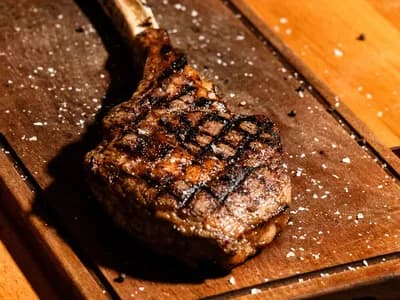
Reverse-sear tomahawk on the kamado
A 1.4 kg tomahawk, probe in the centre, ceramic at 110°C and a 90-second final sear. The Sunday centrepiece for when you want to impress without gambling on doneness.
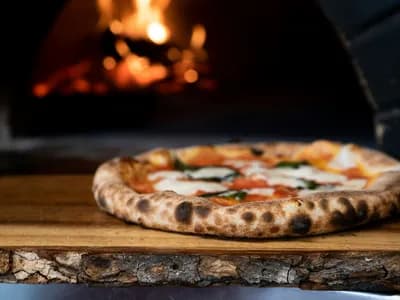
Neapolitan pizza on the kamado
At 350°C the base puffs in 90 seconds and the cornicione comes out leopard-spotted and pillowy. One pizza, three minutes, zero margin for error.
GO DEEPER
Continue with these
- Related guide
Your first kamado: the complete pre-purchase guide
Size, materials, brand and budget. Everything you have to decide before clicking Buy, told by someone who has made enough mistakes.
- Related guide
Kamado vs gas grill: which one really suits you
Real cooking, flavour, total cost and convenience. A long comparison without paternalism so you can decide before spending 1,500 euros on either.
- Related guide
What charcoal to use in a kamado (and which to avoid)
Quebracho or holm-oak lump wins; supermarket briquettes and chemical lighter fluid stay out. Here is what to load and why.
- Recipe to practice
Reverse-sear tomahawk on the kamado
A 1.4 kg tomahawk, probe in the centre, ceramic at 110°C and a 90-second final sear. The Sunday centrepiece for when you want to impress without gambling on doneness.
- Recipe to practice
Neapolitan pizza on the kamado
At 350°C the base puffs in 90 seconds and the cornicione comes out leopard-spotted and pillowy. One pizza, three minutes, zero margin for error.
- Editorial comparison
big green egg large vs kamado joe classic iii
The classic kamado matchup: the Big Green Egg Large, the indestructible pioneer with the widest accessory network, again
- Glossary term
Refractory ceramic
High-density ceramic that absorbs, stores and radiates heat between 70 and 400 °C without cracking.
- Glossary term
Heat deflector
Ceramic plate placed between the coals and the grate to turn direct fire into indirect cooking.
- Glossary term
Plate setter
Big Green Egg's name for its three-legged ceramic deflector, equivalent to the modern ConvEGGtor.
Frequently asked questions
What exactly is a kamado?
A kamado is a double-walled ceramic barbecue derived from Japanese clay cookers with roughly 3,000 years of history. It cooks by radiating heat stored in its refractory walls, holds temperature for hours and runs on lump charcoal, with no gas or electricity. It grills, smokes and bakes from 80 °C up to 400 °C with a single appliance.
How does a kamado work?
It works with two air vents: a bottom inlet under the coals and a top outlet on the lid. Cold air enters at the bottom, passes through the charcoal and exits hot at the top; opening the vents raises the temperature and closing them lowers it. A ceramic heat deflector blocks the direct fire for indirect cooking, and the thick ceramic holds heat for hours.
What is a kamado used for?
A kamado is used for four techniques in one appliance: direct high-heat grilling (250-350 °C), low & slow smoking for 8-14 hours at 110-130 °C, baking pizza, bread and pastries (up to 400 °C), and braising or stewing in a cast-iron pot. Its versatility replaces a grill, a smoker and a wood-fired oven at once.
How is a kamado different from a normal barbecue?
The difference is the thick ceramic, which holds heat for hours and allows stable temperatures impossible on a thin-steel barbecue. Versus a charcoal one, the kamado holds temperature without restoking and burns far less fuel; versus gas, it reaches 400 °C, gives ember aroma and bakes properly. In exchange it weighs more and demands learning to work the vents.
What size kamado should I buy?
Size is measured by grate diameter. For 4-8 diners, the 46 cm (18", like the Kamado Joe Classic III) size is the safe answer. Drop to 33-38 cm for couples or balconies, and step up to 61 cm (24", like the Big Joe III) if you host events for 8-12 people. The most common mistake is going too small: count your usual diners and add a margin for guests.
How much does a kamado cost and is it worth it?
The price varies a lot by tier: entry steel or thin-ceramic models are cheapest, the mid tier with serious refractory ceramic is the balance for most, and the high XL or smart tier is the priciest. You should also budget the deflector and a thermometer in the first year. It's worth it if you cook more than once a month: serious ceramic lasts fifteen to twenty years, so the cost per year is low.