Recipe · Direct · Easy
Grilled Calçots on the Kamado with Romesco Sauce
A whole calçotada fits in a kamado: live flame to char the outer layer until it is completely black, then a rest wrapped in paper where steam finishes the job. Dipped in romesco of ñora, hazelnut and almond.
Quick answer
Grill calçots over the kamado's direct fire at 280 °C, turning once, for 15-20 minutes, until the outer layer is completely black. Wrap them in newspaper or baking paper and leave for 30 minutes: residual heat steams them through and loosens the charred skin. Peel by pulling off the black layer and dip in romesco.
- Prep
- 45 min
- Cook
- 20 min
- Servings
- 4 servings
- Temperature
- 280 °C
Ingredients
- calçots (about 2 bundles), of even thickness40 ud
- dried ñora peppers2 ud
- ripe plum tomatoes2 ud
- head of garlic1 ud
- toasted, skinned hazelnuts50 g
- toasted Marcona almonds50 g
- day-old bread30 g
- extra virgin olive oil150 ml
- red wine vinegar2 cda
- sweet La Vera smoked paprika1 cdta
- dried chilli (optional)1 ud
- flaky sea salt1 pizca
Method
- 01
Rehydrate the ñoras
Split the ñoras open, pull out the stalk and seeds and cover them with very hot water for 30 minutes. Once soft, scrape the flesh from inside with a spoon and set it aside: it is what gives romesco its colour and depth. Meanwhile toast the bread in a pan with a little oil until golden on both sides.
- 02
Light the kamado
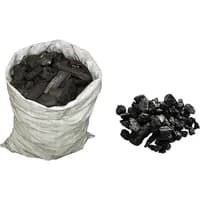
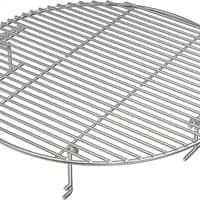
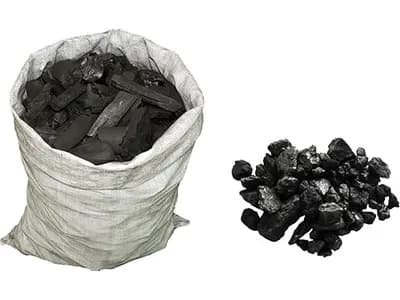
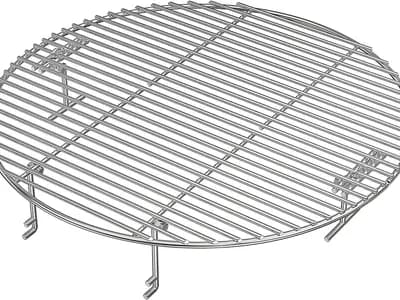
Light the Orework Carbón de Encina Española in a single spot and let the fire spread with the lid closed and both vents open. Set the Onlyfire grate in the low position, as close to the coals as it will go. You want live fire here, not embers: calçots are cooked by flame.
- 03
Roast tomato and garlic
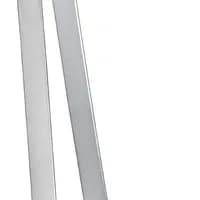
Once the thermometer passes 200 °C, put the whole tomatoes and the halved head of garlic on the grate and close the lid. Roast for 20 minutes, turning the tomatoes halfway, until the skins split and black patches appear. Lift them off with the Rösle curved barbecue tongs and let them cool a little.
- 04
Build the romesco
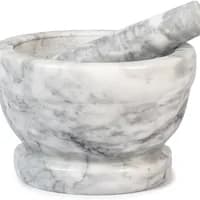
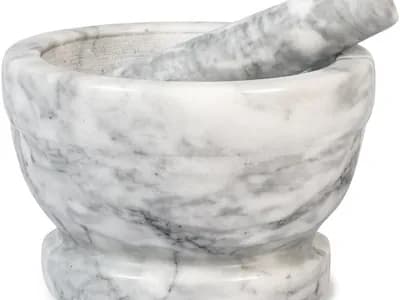
Peel the tomatoes and squeeze out the roasted garlic. Pound the hazelnuts, almonds and toasted bread in a mortar to a paste, or pulse them in a blender without going as far as a smooth cream. Add the ñora flesh, tomato, garlic, paprika and vinegar, then pour in the oil in a thin stream, stirring constantly until it emulsifies. Season at the end.
- 05
Trim the calçots
Pull off only the loose outer layer and the roots from each calçot, and trim the green tops level so they end up around 25 cm long. Do not wash them or strip further layers: the soil comes away later with the charred jacket, and every layer you remove is one less shield over the flame.
- 06
Char over the flame
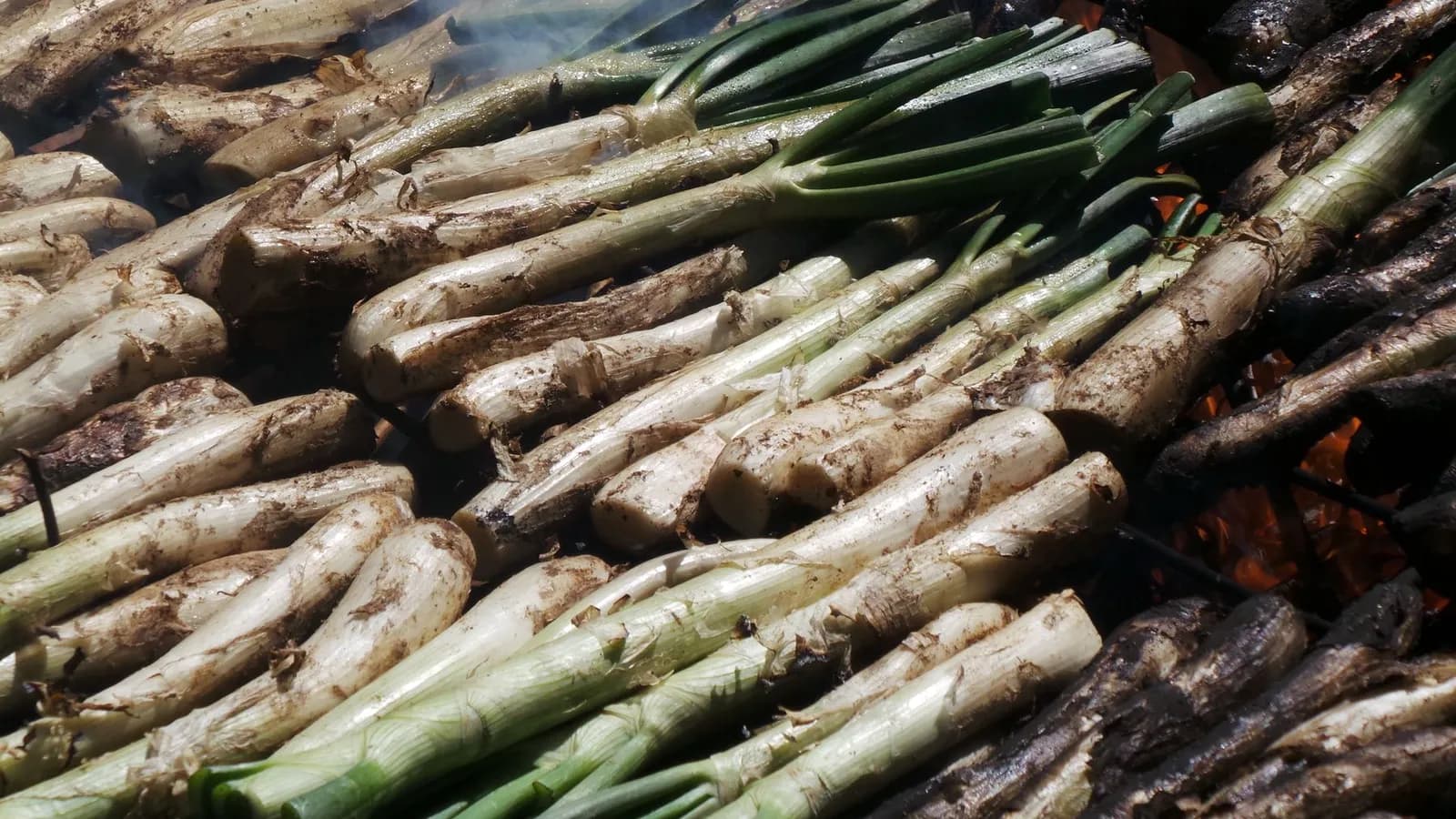
Open both vents fully and let the dome climb to 280 °C. Lay the calçots side by side on the grate, white parts right over the coals. Grill for 8-10 minutes, turn the whole row in one pass with the curved tongs and give them another 7-10 minutes, until the outer layer is black all over and the stem yields when squeezed.
- 07
Wrap and rest
Wearing the Grill Heat Aid gloves, stack the calçots on a double sheet of newspaper or a piece of baking paper, all pointing the same way. Fold the parcel shut like a cone and leave it 30 minutes off the kamado. The paper will darken with moisture: that steam is what softens the inside and loosens the burnt skin.
- 08
Peel and dip
Hold the calçot by its green tops, pinch the black layer with your other hand and pull downwards: the white stem slides out clean. Dip it halfway into the romesco and eat it top to bottom, head tipped slightly back. Keep the rest inside the paper until the last moment so they stay hot.
About this recipe
The calçotada is the only Spanish food festival built entirely around fire: a bundle of blackened spring onions, a sheet of newspaper standing in for an oven, and a bowl of romesco. The domestic problem has always been the same, getting a tall, sustained flame without a mountain of vine cuttings. The kamado solves it with charcoal and both vents wide open.
Black outside, sweet inside
A calçot is grilled until the outer layer is completely carbonised, with no green or lukewarm patches left. That charred jacket is single-use packaging: it shields the heart of the onion while it cooks, then comes away in one pull. Go easy on the fire for fear of overdoing it and the inside stays raw and stringy. With Orework Carbón de Encina Española burning properly the dome holds at 280 °C, and a generous grate such as the stainless steel Onlyfire lets you lay them side by side and turn the lot in one pass.
The paper is the second cooking stage
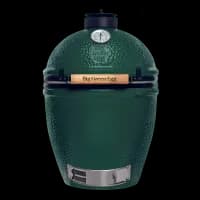
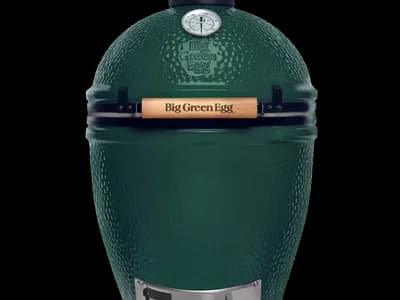
Straight off the coals, the calçots are stacked on newspaper or a sheet of baking paper, folded shut. Inside, residual heat and the onion's own moisture steam them through for 30 minutes, and that is where the buttery texture comes from, one the flame alone never gives you. On my Big Green Egg Large I use that window to bring the temperature down and set the fire up for the meat that almost always follows.
A romesco that emulsifies rather than blitzes
Romesco lives on the flesh of the rehydrated ñora pepper, on toasted nuts, and on tomato and garlic roasted in the same fire. In Valls they serve salvitxada, a lighter cousin with more raw garlic. Add the oil in a thin stream, as if you were making mayonnaise: it should turn glossy and cling to the calçot without dripping.
In 30 seconds
Calçots over direct fire at 280 °C for 15-20 minutes, turning once, until the outer layer is black all over. Wrapped in paper for 30 minutes so they finish steaming. Peel by pulling off the charred layer and dip into romesco of ñora, hazelnut and almond.
Editor's tips
- Look for calçots of even thickness: mix thick and thin in the same batch and the thin ones turn to ash while the thick ones are still raw inside.
- Romesco improves after a few hours in the fridge; take it out 30 minutes before serving so it turns glossy again and does not flatten the calçot's sweetness.
- With no calçots to hand, fat spring onions take the same method, but need 4-5 minutes less over the fire because they are thinner.
- Put on an old apron and hand out plenty of napkins: peeling calçots blackens your hands and flicks romesco about, and that is part of the plan.
Gear for this recipe
As an Amazon Associate, mikamado.es earns from qualifying purchases. At no extra cost to you.
FAQ
What temperature and time do calçots need on a kamado?
With direct cooking and both vents wide open, the dome settles at around 280 °C and calçots need 15 to 20 minutes, turned just once halfway. You judge them by eye rather than with a thermometer: the outer layer should be black all over, with no green stretches left.
How long should calçots rest wrapped in paper?
Thirty minutes is the reference figure and works for medium-sized calçots. Under twenty minutes the inside is still firm; beyond an hour they go soft and lose their sweetness. The paper has to be properly folded shut so the steam cannot escape.
Can you cook calçots with charcoal alone, without vine cuttings?
Yes. Vine cuttings give a fast blaze, which on a kamado is replaced by properly lit holm oak charcoal and both vents open, delivering a sustained flame that does not die back. What does not work is cooking them over embers: without flame the outer layer dries out instead of charring.
How many calçots per person, and when is the season?
As a main course allow ten to twelve calçots per person, or six to eight if they open a wider barbecue. The season runs from late November to early April: outside those months the onion thickens, turns fibrous and loses the sweetness that makes the dish worth cooking.
Can the romesco be made in advance?
Yes, and it is the better plan. It keeps for three or four days in the fridge in a sealed jar, with a finger of oil on top to stop it oxidising. If it splits as it chills, whisk it again with a spoonful of warm water and it will come back together without losing texture.
More kamado recipes

Whole roasted cauliflower on the kamado with saffron aioli
A whole cauliflower roasted indirect at 180°C: steam first to tame the core, then a deep sear and a spiced glaze. Golden outside, tender inside, with saffron aioli. Serves 4.
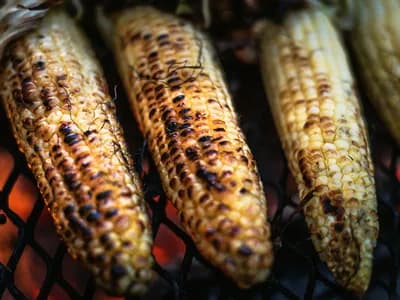
Grilled Corn Mexican Elote Style on the Kamado
Cobs charred over direct fire, slathered with lime mayo, cotija cheese, chili and cilantro. Got leftovers? Strip the kernels and turn them into cups of esquites.
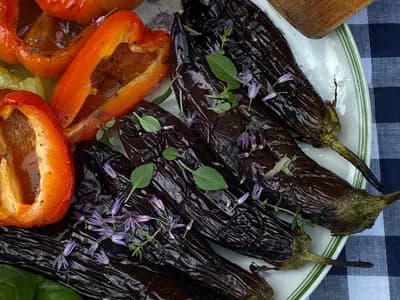
Kamado escalivada with smoked peppers and aubergine
Red pepper, aubergine and onion roasted whole over live coals until the skin chars black, then peeled and dressed with nothing but extra-virgin olive oil and flaky salt.
KEEP READING
Go deeper on this dish
- Recommended kamado
Big Green Egg Large
The classic kamado that defined the category
- Editorial guide
How to light a kamado: the step-by-step method
No petrol, no weird tablets and no 45-minute waits. The cone method, airflow control and the mistakes that prevent 80% of the frustration.
- Glossary term
Heat deflector
Ceramic plate placed between the coals and the grate to turn direct fire into indirect cooking.
- Related comparison
big green egg large vs kamado joe classic iii
The classic kamado matchup: the Big Green Egg Large, the indestructible pioneer with the widest accessory network, agai…