Dish type
Kamado pizza recipes: every pie we've tested
Twelve pizzas and counting: stone at 350 °C, doughs in baker's percentages and ceramic returning a heat no kitchen oven can imitate. This is the full collection of pies we've tested in Torrevieja, from the 90-second Neapolitan to long-fermented Roman al taglio.
12 recipes published
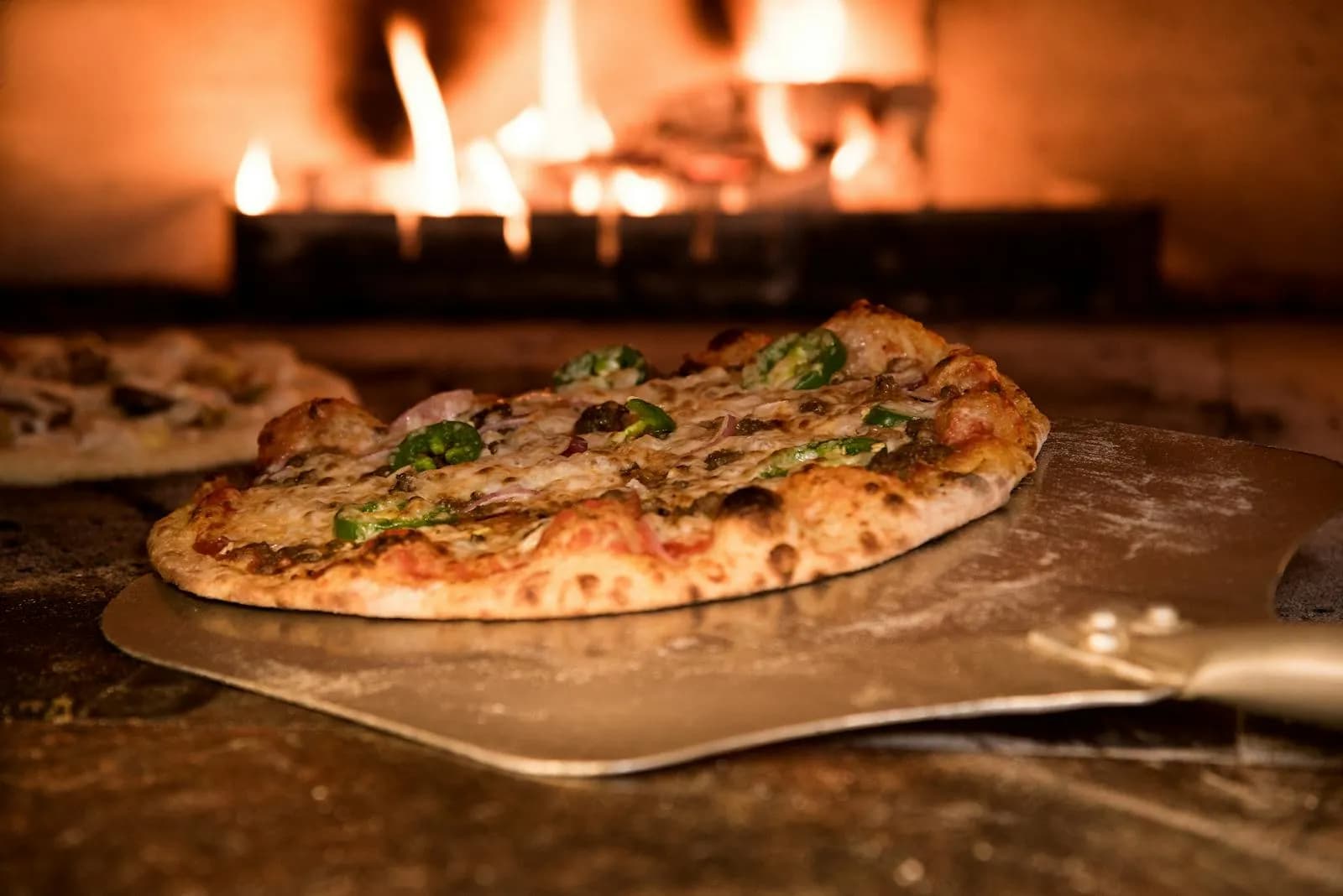
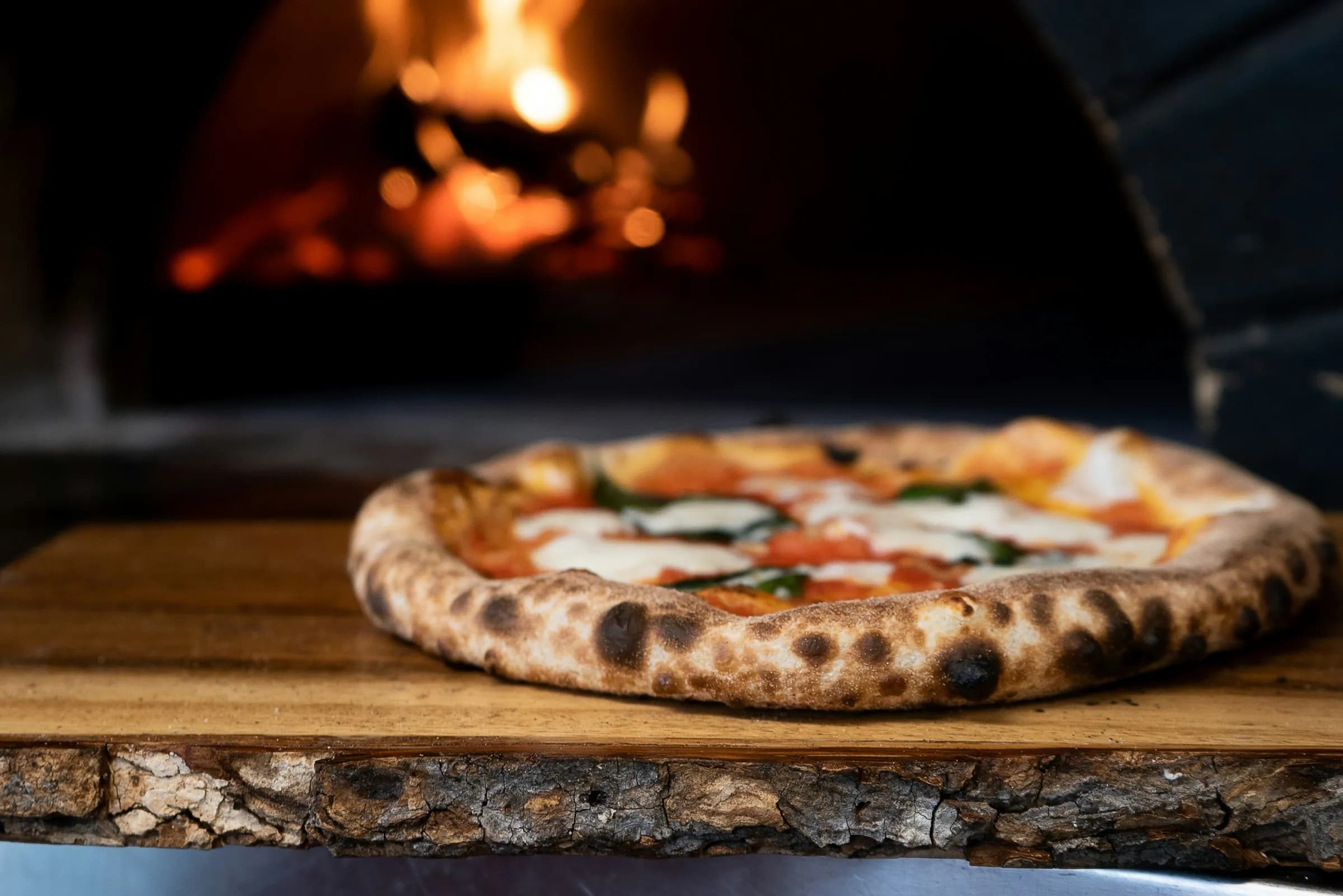
Pizza cooks differently in a kamado because the ceramic stores so much heat that it behaves like a small wood-fired oven: the stone bakes the base from below while the dome browns the crust from above. You work with a stone on the deflector, indirect, between 350 and 420 °C, and a Neapolitan pizza takes two to three minutes.
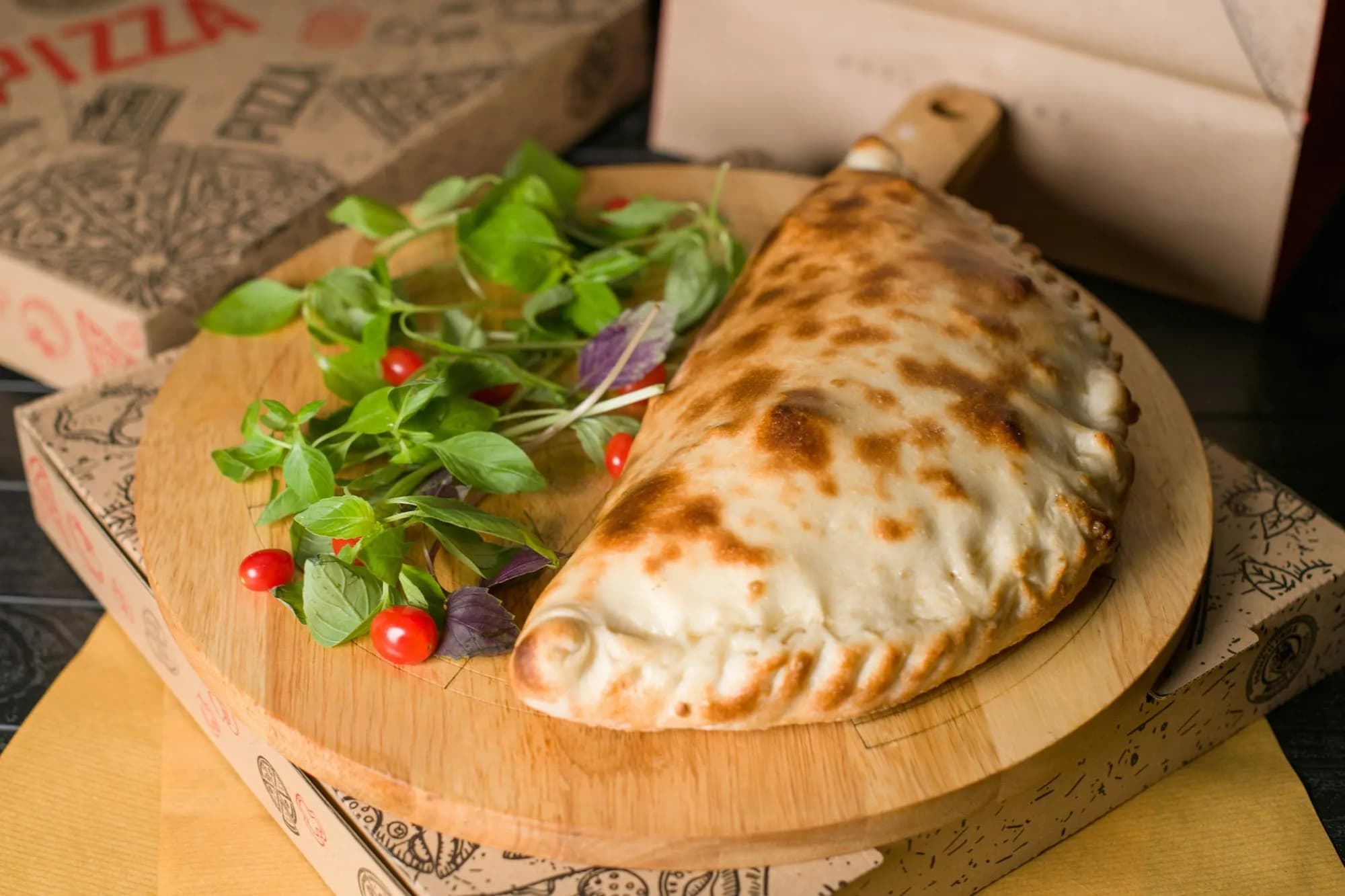
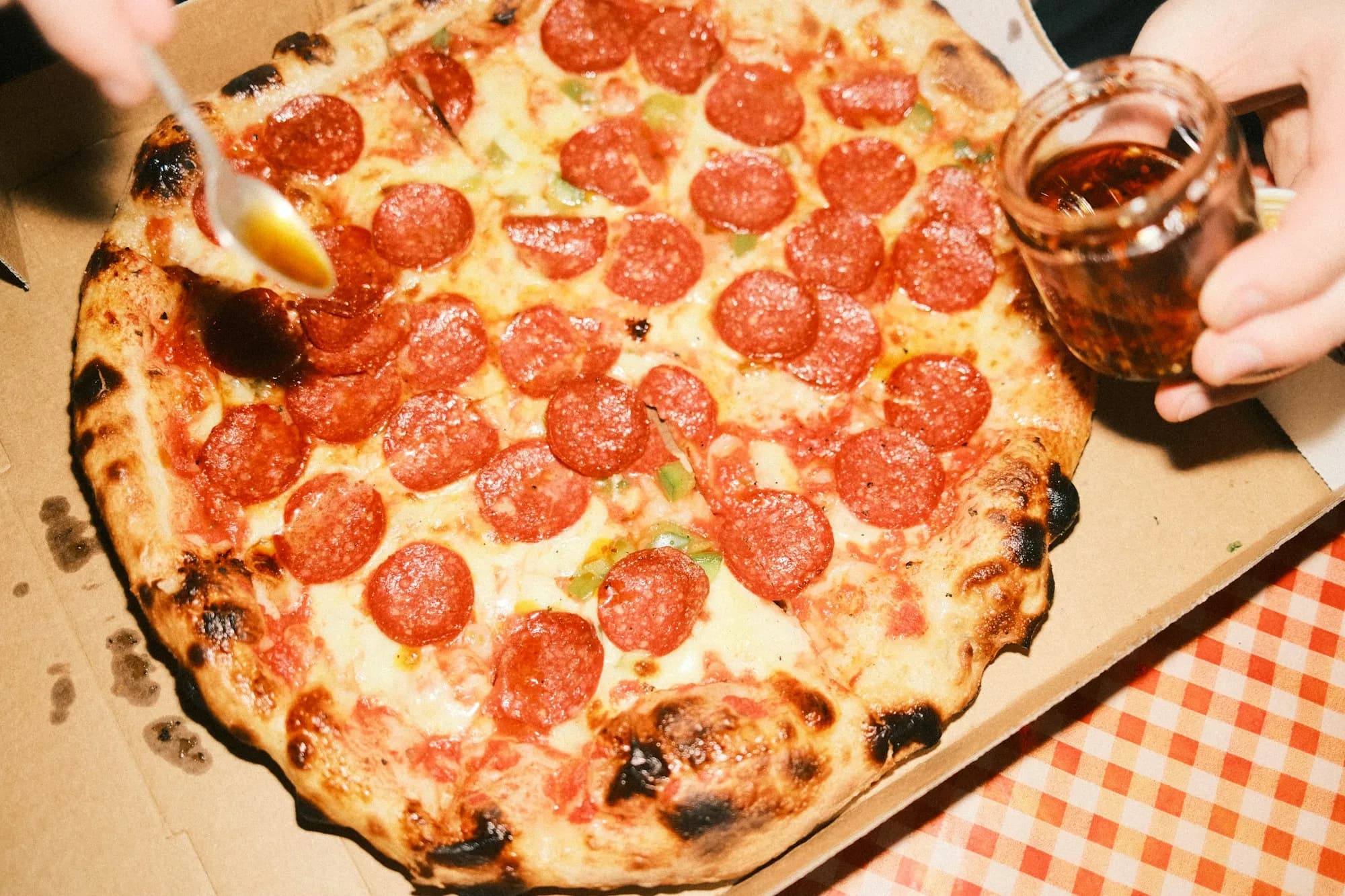
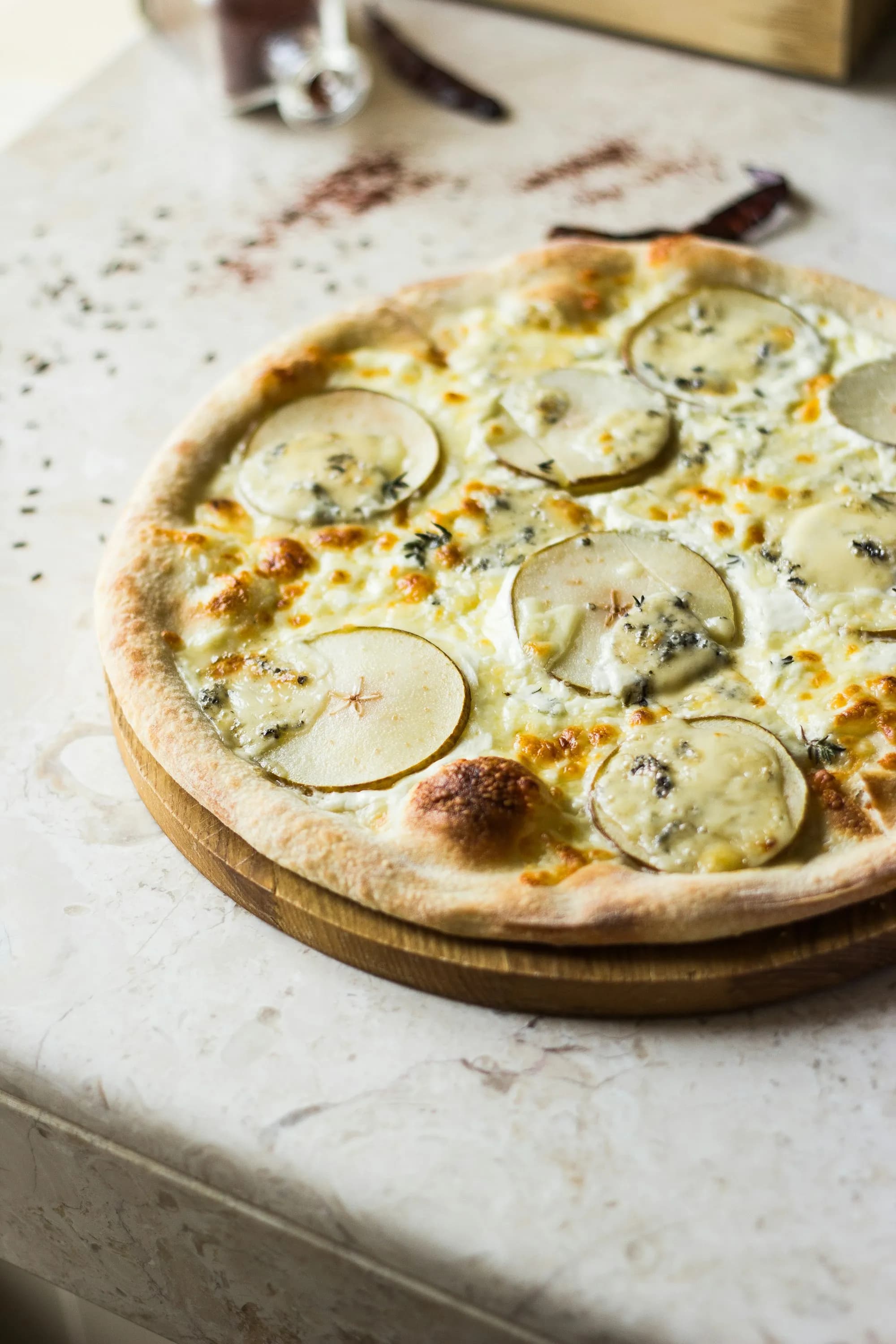
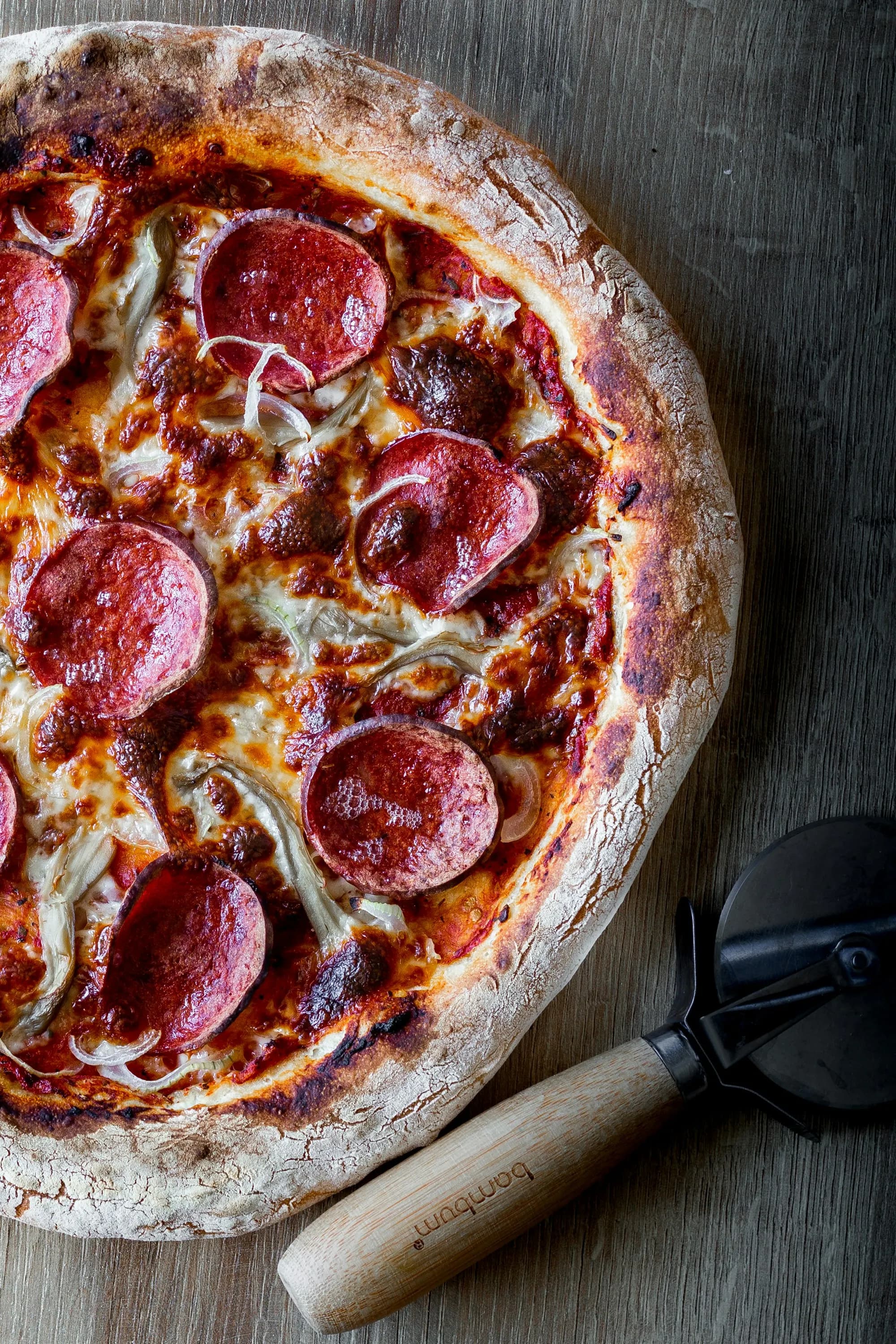
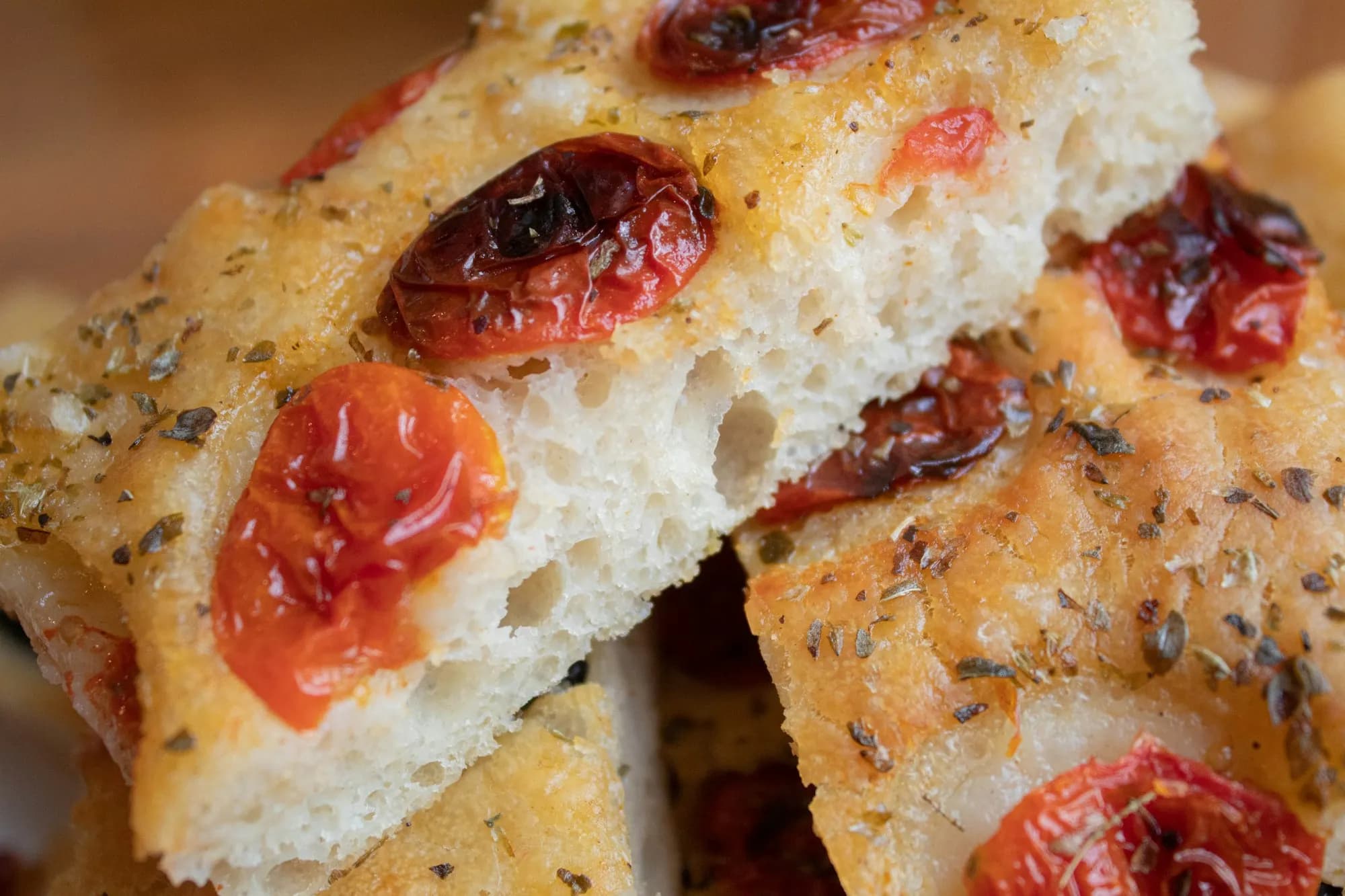
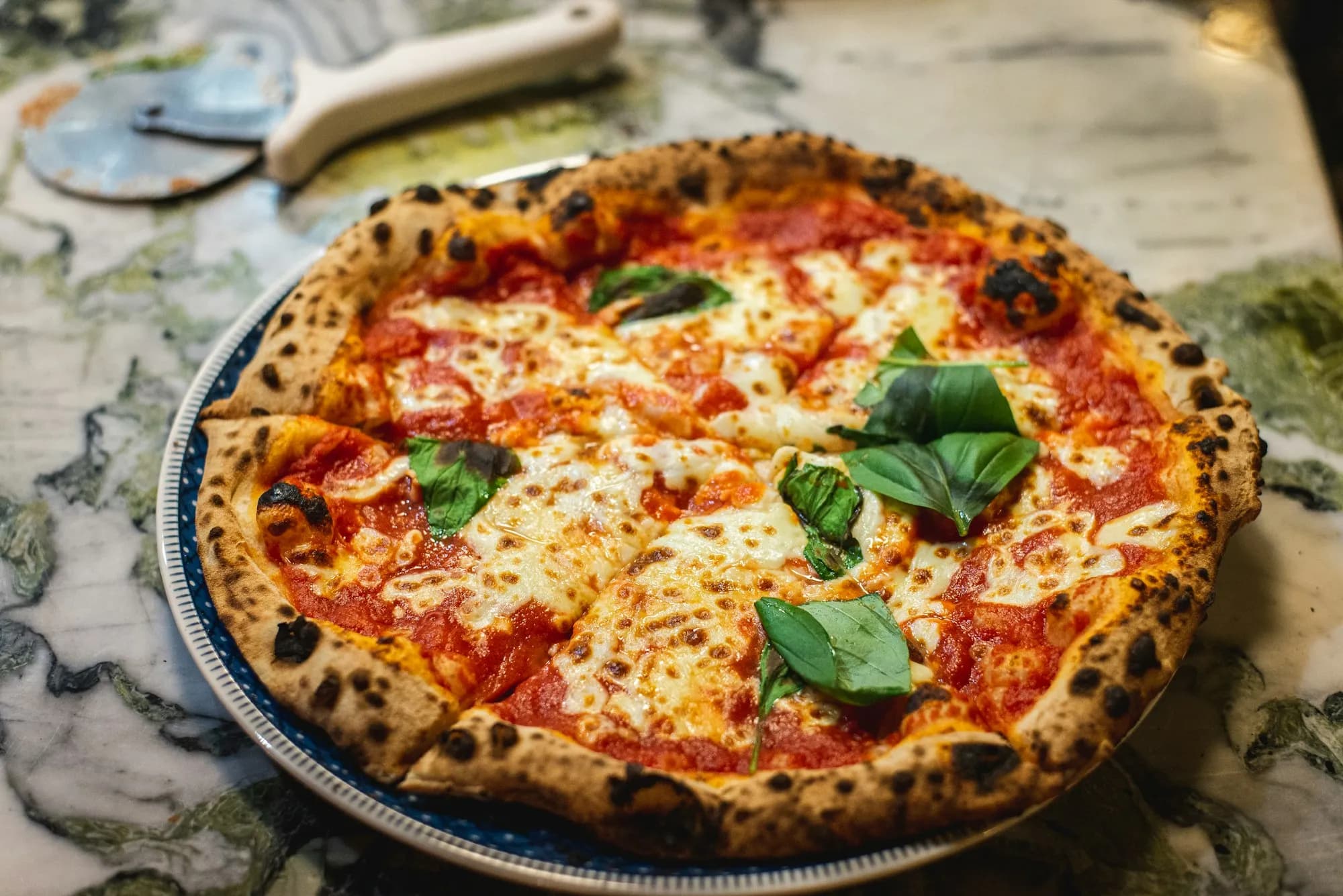
The margherita is the recipe for calibrating your kamado: few ingredients and nothing to hide an undercooked base. The Neapolitan demands the highest heat and a well-fermented dough. The Roman pizza al taglio follows a different logic: a tray, a very wet dough and a little less heat. The sourdough pizza alla pala teaches you to work with natural fermentation, and the sobrasada and honey pizza how to add fatty toppings without soaking the dough. The calzone proves that the heat from below and above is balanced.
The most common failure is a burnt base with an undercooked top: the stone has got hotter than the air in the dome. Let the kamado settle at temperature for at least 30 minutes before the first pizza goes in and, if the base is colouring too fast, wait a few minutes between pizzas. With Mutxamel tomatoes in season and local olive oil, a margherita tastes of Alicante. The full method, step by step, is in how to make pizza in a kamado.