Recipe · Pizza · Advanced
Sourdough pala-style pizza on the kamado
A Roman pala-style pizza — long, with a tall, open-crumb edge — leavened with sourdough and baked on steel at 350°C with the deflector in.
Quick answer
Pizza a la pala (Roman-style, long and open-crumbed) bakes at 350 °C on carbon steel with a deflector, in 6-8 minutes, turned 180° halfway through. The sourdough at 75% hydration bulk-ferments for 4-5 hours and cold-rests for 24-48 hours. Check the steel surface with an infrared thermometer: it should read 330-350 °C.
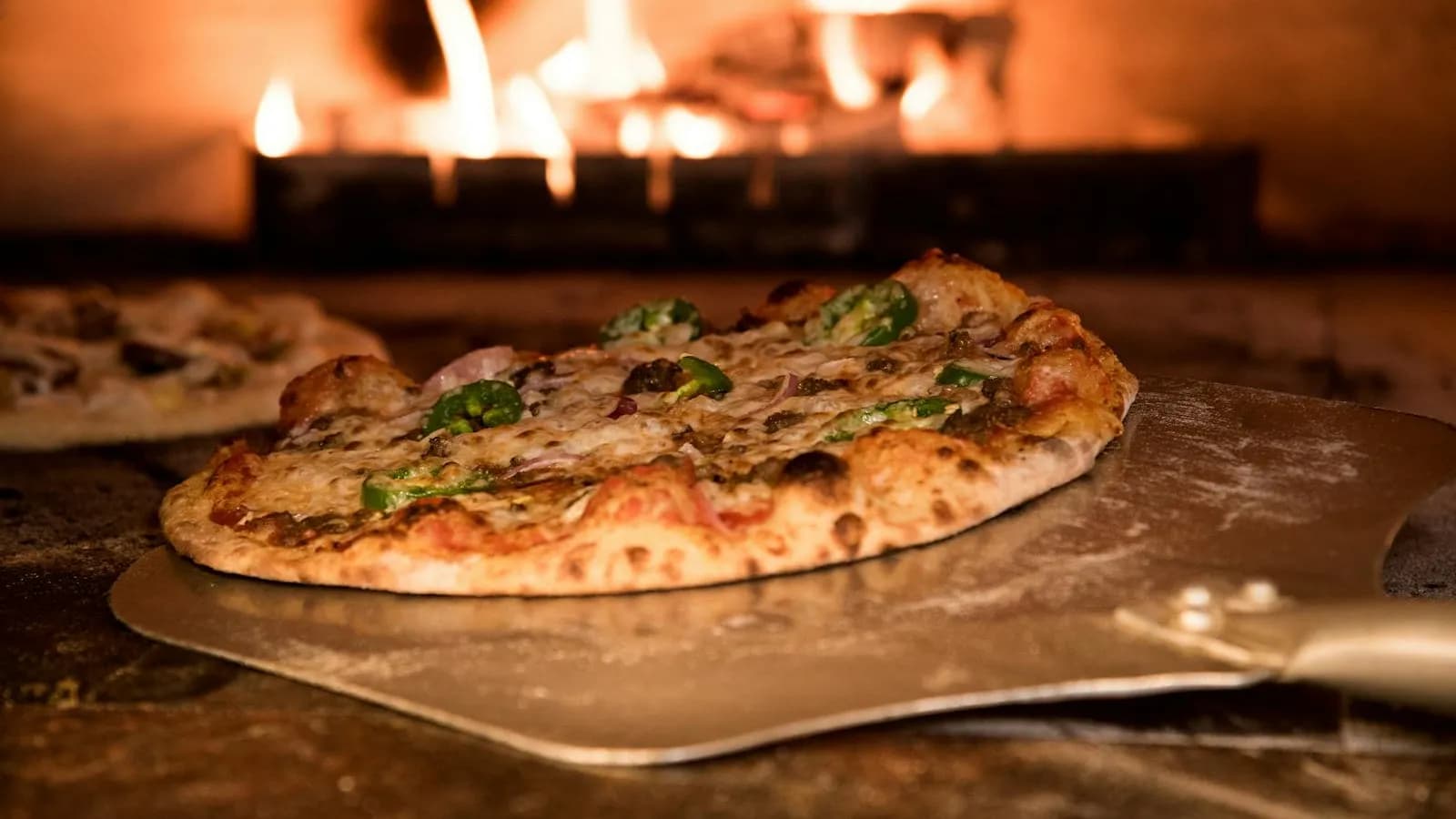
One big step at a time, screen kept on and built-in timers.
- Prep
- 60 min
- Cook
- 8 min
- Servings
- 4 servings
- Temperature
- 350 °C
What time do you want to eat?
Pick a time and we'll tell you when to start.
11:57
Start the prep
12:57
Light the kamado
13:42
Onto the kamado
14:00
Serve
Estimate: it includes lighting and settling the kamado plus a margin for large cuts. If the recipe asks you to marinate or salt ahead, add that time.
Fire setupStone or steel
- Dome
- 350 °C
- Deflector
- Yes
- Grate
- Standard height
- Setup
- Deflector; carbon-steel plate or cordierite stone; perforated peel
Temperature curve
1:35 h from lighting
Kamado dome
| # | From | Phase | Dome |
|---|---|---|---|
| 1 | 0:00 | Light the charcoalDeflector, steel on the grate; bring it up to 350 °C | 20 → 350 °C |
| 2 | 0:45 | StabiliseAt least 40 min; the steel should read 330-350 °C on the IR gun | 350 °C |
| 3 | 1:25 | BakeAt 3-4 min turn 180° with the peel; golden crust | 345 → 305 °C |
| 4 | 1:32 | Recover temperatureLet it climb back to 350 °C before the second pizza | 305 → 350 °C |
| 5 | 1:35 | Serve | off |
0:00 is the moment you light the charcoal. Internal temperatures are the ones the recipe gives; without a probe, go by the times. Turn these times into clock times with the planner
For this recipe
Ingredients
- strong bread flour W300-330 (or 80% strong + 20% fine semolina)500 g
- room-temperature water (75% hydration)375 ml
- active sourdough starter (refreshed 4-6 h before, at peak)100 g
- sea salt11 g
- extra-virgin olive oil from the Comunidad Valenciana (dough + finish)2 tbsp
- coarse semolina for stretching and loading the peelas needed
- crushed San Marzano tomato (drained, uncooked)250 g
- fior di latte mozzarella, drained 1 h and torn300 g
- fresh basil (added out of the oven)1 bunch
- dried oregano and flaky salt (to taste)1 pinch
Allergens
- Gluten
- Milk
Based on the recipe's ingredients. Always check the label of every product you buy.
The gear for this recipe
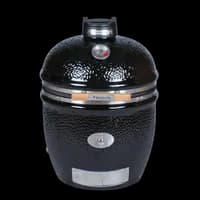 Monolith Classic Pro 2.0
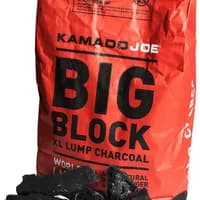 Kamado Joe Big Block XL lump charcoal 9.1 kg
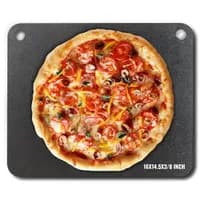 VEVOR Carbon Steel Pizza Steel 16 × 14.5 in (3/8 in)9.5 mm steel that stores heat for the tall, airy crust of the Roman pizza.
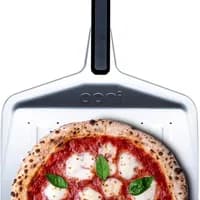 Ooni 14" Perforated Aluminium Pizza PeelLong, perforated 14" peel to slide in the long pizza without it sticking.
 Ooni Digital Infrared Pizza Oven ThermometerRead the real temperature of the steel before baking at 350 °C.
Method
- 01
Autolyse and mix
Mix the flour with 340 ml of the water and let it rest 40 minutes (autolyse): it hydrates and builds gluten with no effort. Add the sourdough starter, work it in, then add the salt dissolved in the remaining 35 ml and the oil. Knead to a smooth but sticky dough; at 75% hydration you are not after a firm ball.
- 02
Bulk ferment
Bulk-ferment at 22-24°C for 4-5 hours, with three rounds of stretch & folds over the first 90 minutes, every 30 minutes. The dough should grow by 50-60% and show bubbles on the surface. With sourdough the dough sets the clock, not the timer: the warmer it is, the sooner it's ready.
- 03
Ball and cold-proof 24-48 h
Divide into two dough balls of about 490 g, shape each one tight, and place it in an oiled lidded container. Cold-proof in the fridge for 24-48 hours: this is where the tangy flavour and open crumb develop. Take the balls out 2 hours before baking so they come up to temperature; cold dough won't stretch and tears.
- 04
Set deflector and preheat steel
Light the kamado, set the deflector for indirect heat, and place the grate on top with the carbon-steel plate (or cordierite stone). Settle it at 350°C and preheat the whole stack for at least 40 minutes. Check the surface with an infrared thermometer: it should read 330-350°C, no less. The lid thermometer only measures the air.
- 05
Stretch without degassing
Tip the dough ball out onto flour and semolina. Stretch with your fingertips from the centre outwards into the long peel shape (about 30x18 cm), pressing the centre but respecting the puffed edge: that open crumb is the soul of pala pizza. Don't use a rolling pin — you'd crush the gas out.
- 06
Sauce and load the peel
Spread the drained San Marzano tomato leaving a 2 cm clean border, a drizzle of EVOO, oregano, and the well-drained fior di latte mozzarella (if it weeps water, the base stays raw). Transfer the dough to the perforated peel dusted with semolina and shake it to shed the excess flour, which would scorch on the steel.
- 07
Bake 6-8 minutes, turning
Slide the pizza onto the steel with one sharp jerk and close the lid. Bake 6-8 minutes at 350°C. At 3-4 minutes turn the pizza 180° with the peel to even out the cooking (the draught side browns first). It's ready when the edge is golden-toasted and the base feels firm and crisp when you lift it.
- 08
Basil and serve
Move the pizza onto a board, add the fresh basil, a last drizzle of Valencian EVOO, and flaky salt. Let it rest 1 minute so the base settles, then cut into rectangular pieces with a wheel cutter or scissors. Repeat with the second dough ball while you eat this one.
About this recipe
Pala-style pizza on a kamado is baked indirect at 350°C with the deflector in and a preheated stone or steel, not over live flame. This is the Roman version: a long sourdough base at high hydration (75-80%), a tall open-crumb edge, baked 6-8 minutes on a surface that already stores heat. A closed kamado behaves like a vaulted oven, and that is exactly the point.
Why pala and not Neapolitan
Neapolitan is made at 430-480°C in 60-90 seconds: puffed cornicione, thin elastic centre, charred leopard spots. Roman pala pizza is a different animal: the long shape of a baker's peel, taller and airier, baked slower at medium-high heat. A home kamado rarely holds above 350-400°C with a deflector, which is precisely why pala suits it perfectly — you are not fighting for extreme temperatures, you are playing with sourdough, hydration and time. The result reads more like bread crumb than thin-crust pizza, with a crust that crackles and carries the weight of the toppings.
The kamado setup: deflector and steel
Set the deflector for indirect, radiant heat, and the grate on top with a cordierite stone or, better for this dish, a carbon-steel plate. Steel conducts far better than ceramic and solves the classic pala problem: a pale, raw base. Preheat the whole stack for at least 40 minutes at 350°C — the dough does not cook on chamber air, it cooks on the surface beneath it. Check that surface with an infrared thermometer before baking; the lid thermometer only tells you the air temperature.
The sourdough sets the clock
We work with active sourdough at high hydration, so forget about rushing. The dough wants a long bulk ferment and a 24-48 hour cold rest that builds flavour and an open crumb. On bake day you take it out, stretch it gently over flour and semolina without knocking the gas out of the edge, and load it onto the perforated peel. The perforations let the excess flour fall away — in a kamado it would scorch and turn the base bitter. Extra-virgin olive oil from the Comunidad Valenciana, San Marzano tomato, well-drained fior di latte mozzarella, and basil on the way out.
In 30 seconds
Sourdough at 75-80% hydration, bulk ferment + 24-48h cold rest. Kamado indirect with deflector, cordierite stone or carbon steel preheated 40 min at 350°C. Check the surface with an infrared thermometer (the lid gauge lies). Stretch without degassing the edge, load with a perforated peel to shed flour, bake 6-8 minutes turning halfway. Crisp base, open-crumb edge, serves 4.
Will it fit your kamado?
Small
33-40 cm · Joe Jr, MiniMax
Tight
The 40x37 steel won't fit; with a ~33 cm stone, pizzas of about 28x16 cm, one at a time.
Medium
46-51 cm · Classic, Large
Tight
The 40x37 steel (~54 cm diagonal) probably won't fit; a ~38 cm stone takes the 30x18 pizza. One per batch.
Large
56-61 cm · Big Joe, XL
Fits
The 40x37 steel probably fits; the 30x18 cm pizza goes in with room.
What to serve with it
Sides
- Green salad with rocket and tomato
- Blistered Padrón peppers
- Wine
- Young Bobal from Utiel-Requena or Calatayud Garnacha
- Beer
- Pilsner lager or pale ale
- Alcohol-free
- Basil lemonade
Leftovers and storage
- In the fridge
- 1-2 days well wrapped; in the fridge in warm weather, always within 2 hours.
- Freezing
- Well-wrapped slices, 2-3 months. Thaw in the fridge; do not refreeze.
- Reheating
- Covered cast-iron pan over medium heat for 4-5 minutes, or on the stone at 220 °C, for a crisp base.
- Using them up
- Cold slices as a snack, or pan-crisped with a fried egg on top.
Cool and refrigerate within 2 hours. When in doubt, throw it out.
Leftover embers
You still have embers: what to do with the leftover heat
For 8 min at 350 °C in a classic kamado you load about 1.25 kg of charcoal and burn 900 g: when you serve, about 350 g of live embers remain. Before you shut the vents, that is still enough for:
Without touching the vents
350 °Cfull heat, direct
20 minof embers
- Iberian pork tenderloin grilled with Pedro Ximénez glaze8 min · 280 °C
- Sesame-Crusted Seared Bluefin Tuna on the Kamado (Tataki)4 min · 280 °C
- Red prawns over live fire on the kamado in 6 minutes6 min · 280 °C
No recipe needed
- Pita or naan from shop dough, on the grate (2 min each)
- Whole peppers until the skin blackens, for peeling (8 min)
- Pineapple or peach slices, char-marked (3 min)
Closing the vents a little and waiting for it to drop
210-270 °Cgrilled vegetables
20 minof embers
- Blistered Padrón Peppers on the Kamado8 min · 260 °C
- Saffron Milk Caps on a Steel Griddle with Garlic and Parsley10 min · 250 °C
- Rum-glazed grilled pineapple on the kamado14 min · 220 °C
No recipe needed
- Strips of courgette and aubergine, char-marked (5 min)
- Pita or naan from shop dough, on the grate (3 min each)
- Halved tomatoes, cut side down, for a sauce (10 min)
Before opening the lid, crack it open for a few seconds first; if you raise the heat, stir the ash so the coals can breathe. And if you are not going to use them: once the food is out, close the bottom and top vents. The charcoal that does not burn (about 350 g) can be used next time. Different size of kamado? Work out your load for 1 h of fire, lighting included.
Editor's tips
- Carbon steel is the difference between a crisp base and a pale one. It conducts heat far faster than ceramic or a thin stone, so the base seals in the first 90 seconds. If all you have is a cordierite stone, preheat it 10 minutes longer and check it's above 330°C with the infrared before loading.
- Drain the mozzarella properly: an hour on paper and, if needed, a squeeze with your hands. Fresh fior di latte releases a lot of water, and that water boils on the steel, steams the base, and leaves the centre gummy and raw underneath. It's the number-one mistake in homemade pizza.
- Mind the draught. In a kamado at 350°C with the deflector, heat rises up one side, so the pizza browns unevenly. Turn it 180° halfway through and leave the bottom damper half open: too much air spikes the air temperature but not necessarily the steel's, and it's the steel that cooks the base.
Gear for this recipe
As an Amazon Associate, mikamado.es earns from qualifying purchases. At no extra cost to you.

Monolith Classic Pro 2.0
€2,000
Kamado Joe Big Block XL lump charcoal 9.1 kg
€67
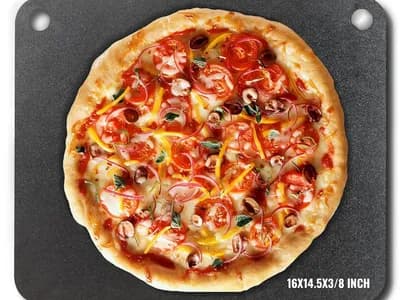
VEVOR Carbon Steel Pizza Steel 16 × 14.5 in (3/8 in)
9.5 mm steel that stores heat for the tall, airy crust of the Roman pizza.
€43
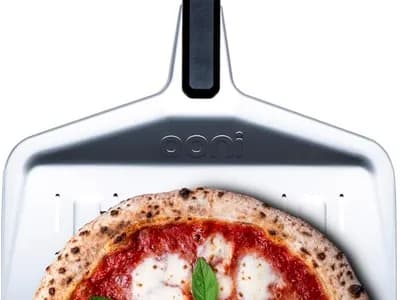
Ooni 14" Perforated Aluminium Pizza Peel
Long, perforated 14" peel to slide in the long pizza without it sticking.
€26
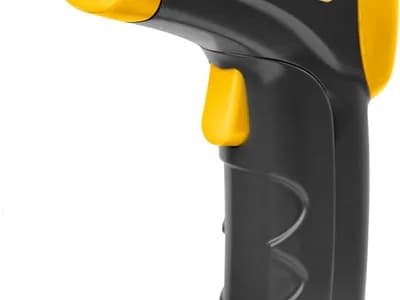
Ooni Digital Infrared Pizza Oven Thermometer
Read the real temperature of the steel before baking at 350 °C.
€29
Have you made it?
Tell us how it turned out on your kamado. We review every rating before publishing it.
No published ratings yet. Be the first!
FAQ
What is the difference between Roman pala pizza and Neapolitan?
They are two different pizzas. Neapolitan is round, with a thin centre and a puffed edge, baked at 430-480°C in 60-90 seconds. Pala pizza is Roman, long like a baker's peel, made with a wetter, more open-crumb dough and baked slower at 330-350°C for 6-8 minutes. Pala is closer to a flatbread than to a thin-crust pizza, which is exactly why it suits a home kamado, which rarely reaches Neapolitan temperatures.
Cordierite stone or steel for pizza in the kamado?
For pala pizza at 350°C, steel wins. Carbon steel conducts heat far faster than ceramic, so it seals the base in the first few seconds and avoids the raw-base problem. A cordierite stone is more forgiving with Neapolitan at very high temperatures and withstands thermal shock, but at medium-high heat it takes longer to transfer heat. If you have both, use the steel for pala and the stone for thinner-crust bakes.
How do I hydrate and handle a high-hydration sourdough without it sticking everywhere?
At 75-80% hydration the dough is sticky by definition, and that's fine: the water is what gives you the open crumb. The key is to build gluten with stretch & folds rather than intense kneading, and to work with wet hands and a surface dusted with semolina, not fine flour. The 24-48 hour cold rest relaxes the gluten and makes the dough far easier to handle when stretching. Don't add extra flour to tame it — you'd dry out the crumb.
What temperature and deflector do I need for pala pizza?
You need indirect heat: the deflector (half-moon or full plate) between the coals and the pizza, so no direct flame hits it. The target is 350°C air, but what really matters is that the cooking surface — stone or steel — reaches 330-350°C, and that takes at least 40 minutes of preheating. Check it with an infrared thermometer pointed at the surface; the lid thermometer only measures the chamber air and will fool you.
Why does my base stay raw underneath and how do I prevent it?
It's almost always one of three causes, in this order: the surface wasn't hot enough when you loaded (check it with the infrared, not the lid thermometer), too much water from the mozzarella or tomato steaming the base, or too much flour underneath insulating the dough from the heat. The fix: preheat the steel for 40 minutes, drain the mozzarella well, use semolina instead of fine flour, and shake off the excess before baking. A carbon-steel plate solves most cases.
What do I do with the embers left after making Sourdough pala-style pizza on the kamado?
After 8 min at 350 °C in a classic kamado about 350 g of live embers remain: 20 min more at 350 °C without touching the vents or 20 min at 210-270 °C closing the vents. If you are not going to use them, close both vents and keep the charcoal for next time.
More kamado recipes

KEEP READING
Go deeper on this dish
- Recommended kamado
Monolith Classic Pro 2.0
The German alternative to the Kamado Joe Classic III
- Editorial guide
Your first kamado: the complete pre-purchase guide
Size, materials, brand and budget. Everything you have to decide before clicking Buy, told by someone who has made enough mistakes.
- Glossary term
Heat deflector
Ceramic plate placed between the coals and the grate to turn direct fire into indirect cooking.
- Related comparison
kamado joe classic iii vs monolith classic pro 2 cart
The comparison every European cook eventually makes: the Kamado Joe Classic III, the US reference with SlōRoller, again…