Dish type
Kamado meat recipes
Meat is the kamado's home turf: ceramic holds the temperature steady for a violent 350 °C sear and for twelve hours of brisket at 110 °C alike. Here are the meat recipes we've tested on our terrace — from Galician rib-eye to Carolina pulled pork — with real timings, probe-measured internal temperatures and the margin of error each cut forgives.
28 recipes published
Meat cooks differently in a kamado because the ceramic radiates heat from every wall and the closed lid holds moisture in: the outside browns while the inside stays juicy. Thin cuts go direct at 230-280 °C; large joints go indirect over the deflector at 110-160 °C, or low and smoky at 110-125 °C.
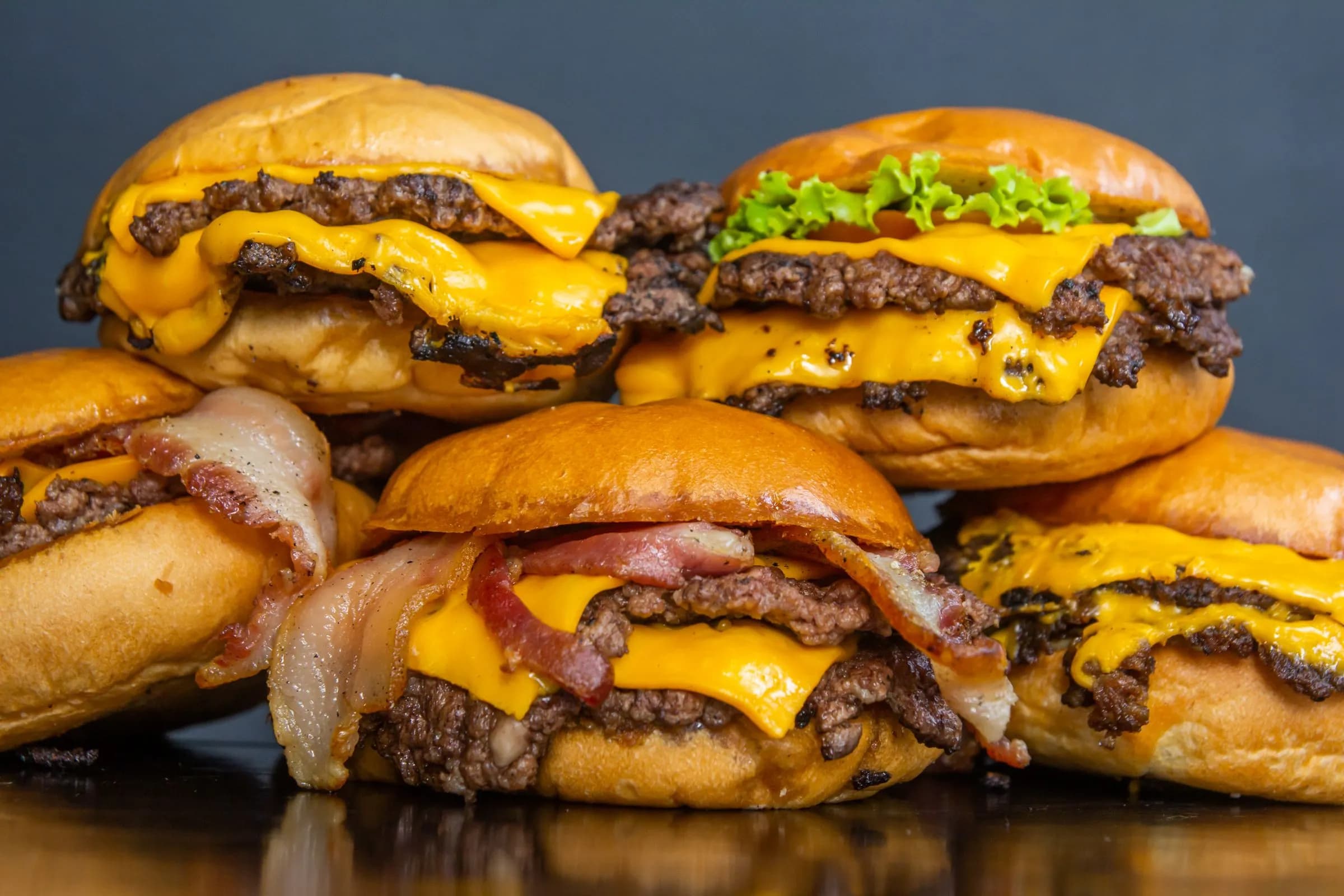
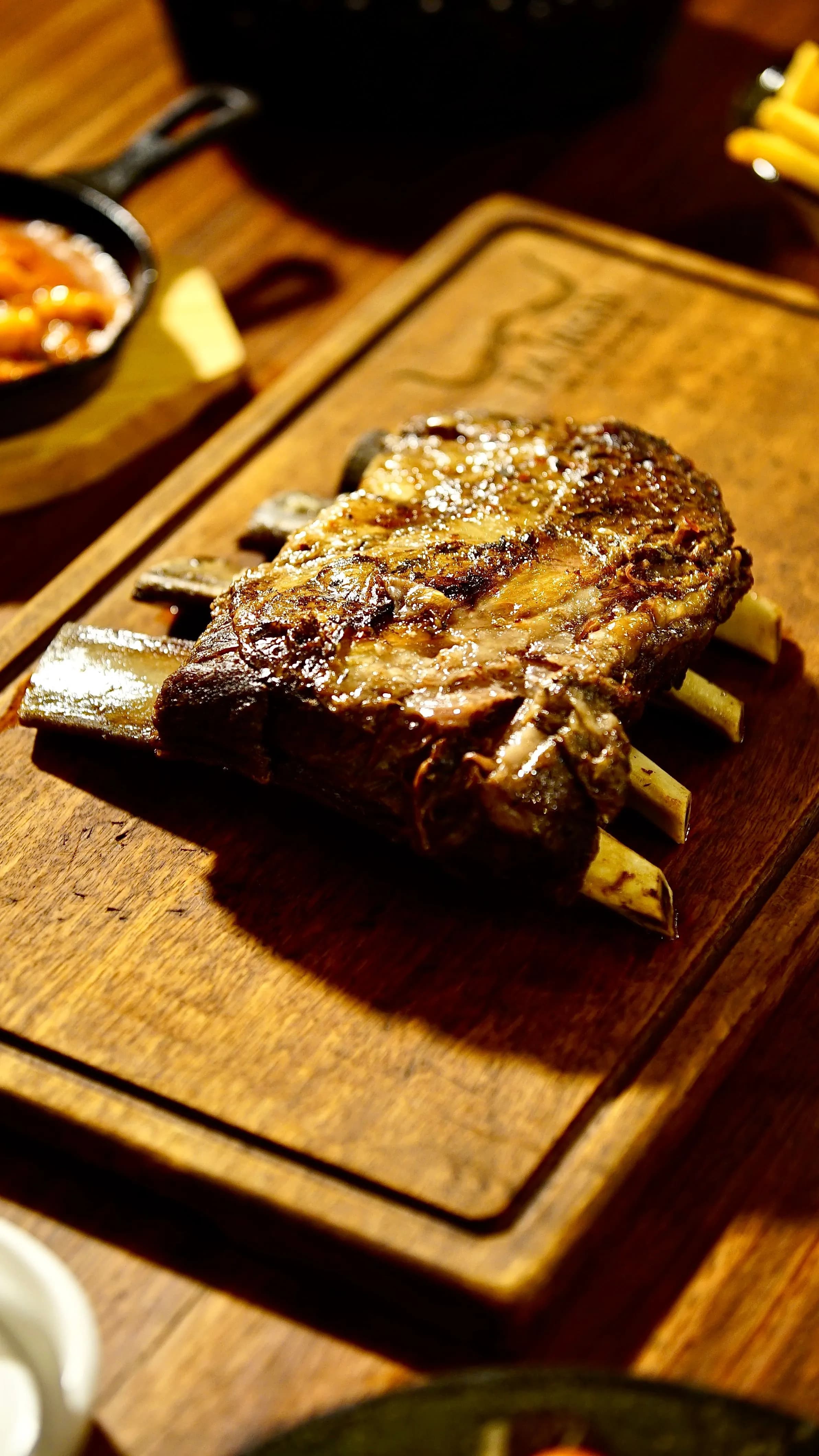
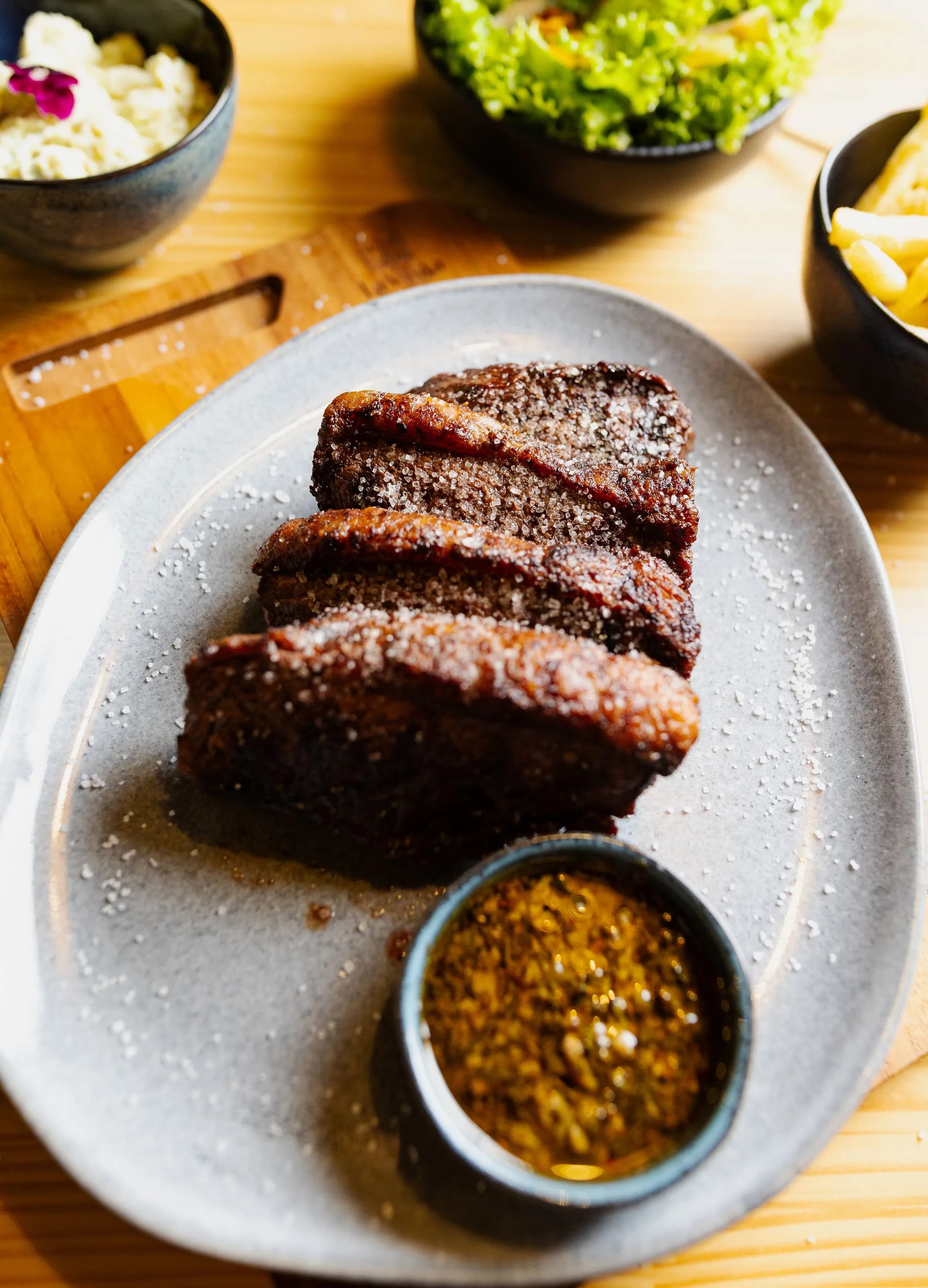
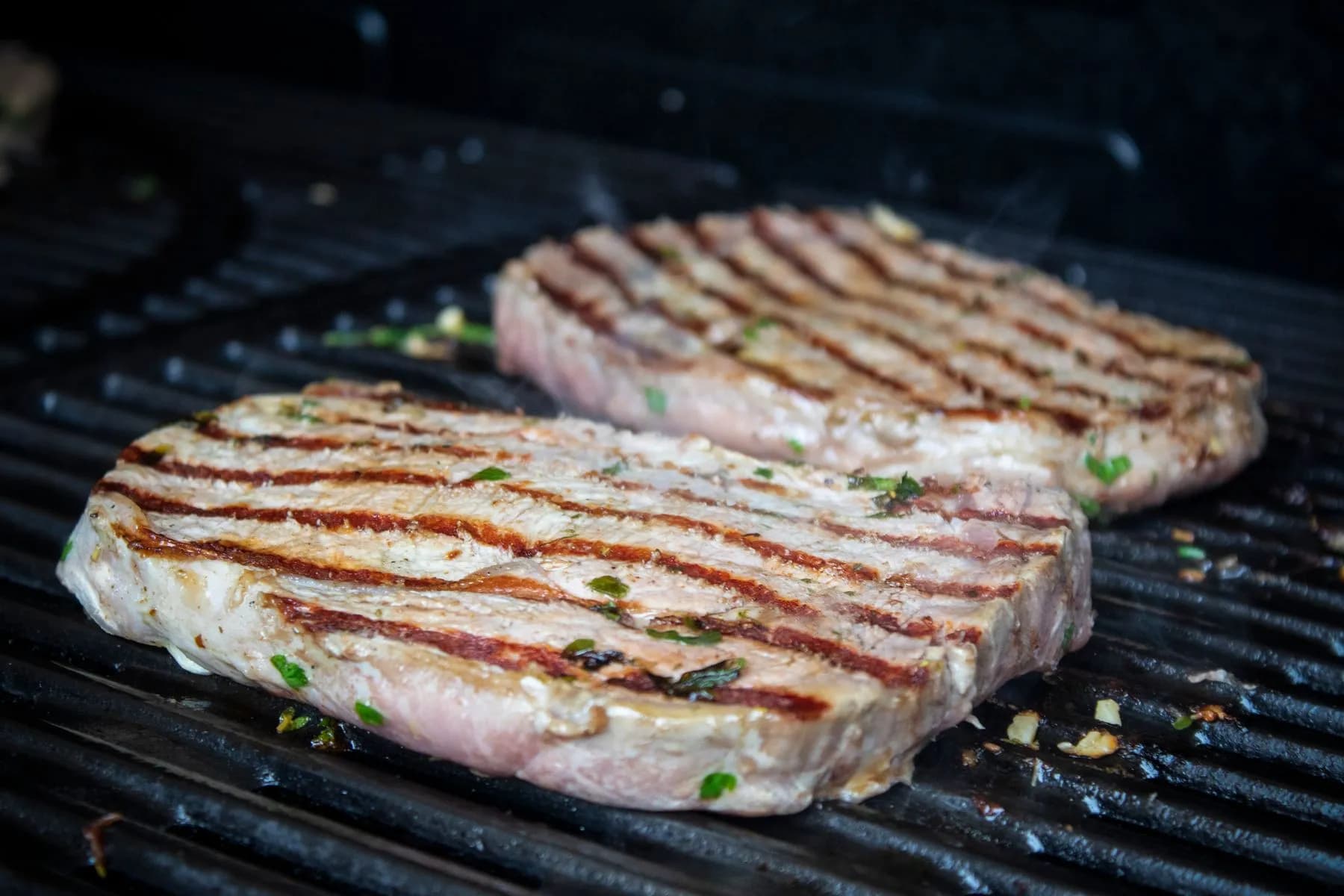
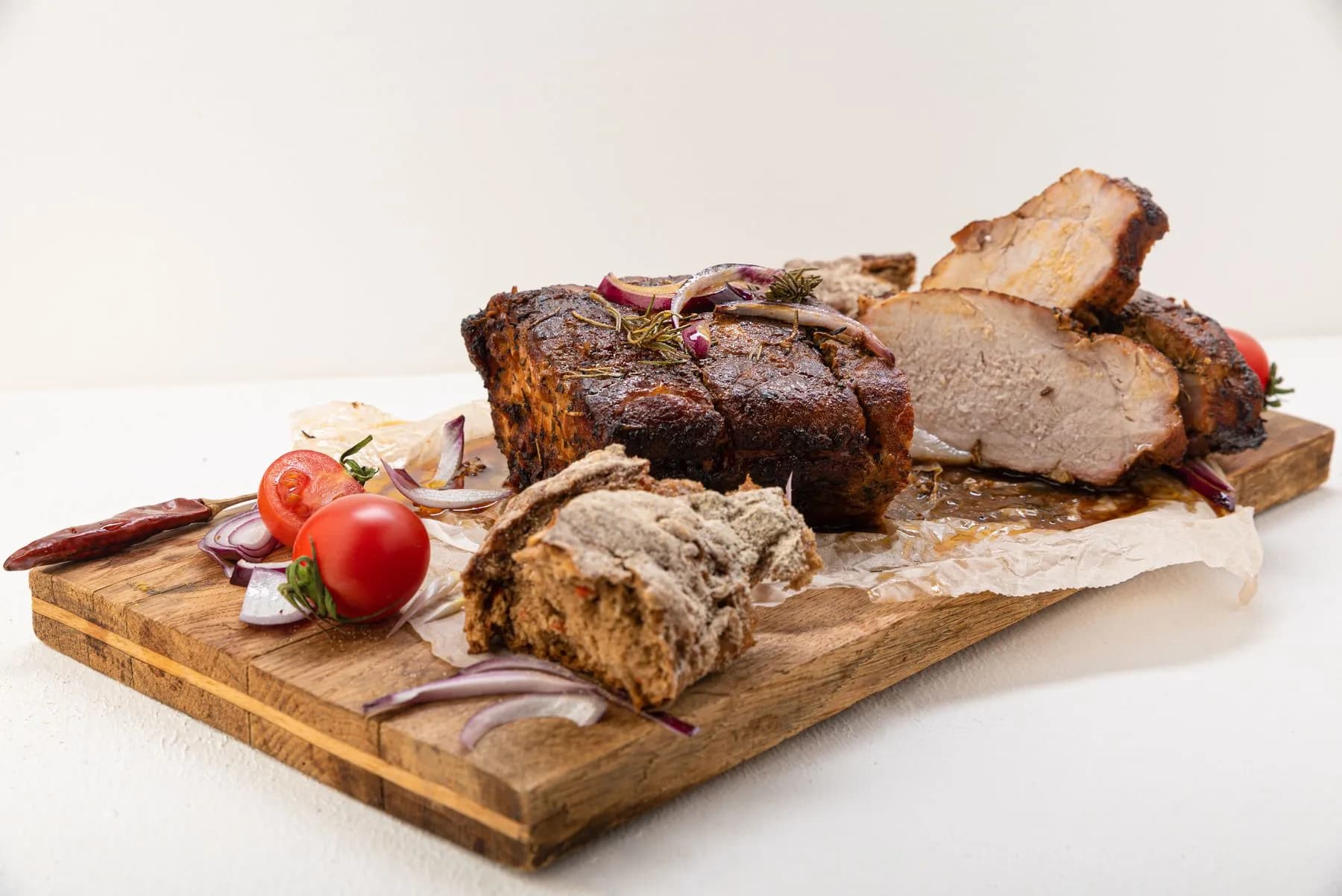
For quick cooks, the smash burger teaches you to press the meat onto screaming-hot iron and build a crust in a couple of minutes per side. The Galician rib steak is the lesson in direct searing, while the reverse-sear tomahawk flips the order: gentle indirect heat first, then open flame. The Ibérico tenderloin with Pedro Ximénez glaze shows when to brush on a sugary glaze without burning it. And the brisket and pulled pork make you hold 110-120 °C for hours without lifting the lid.
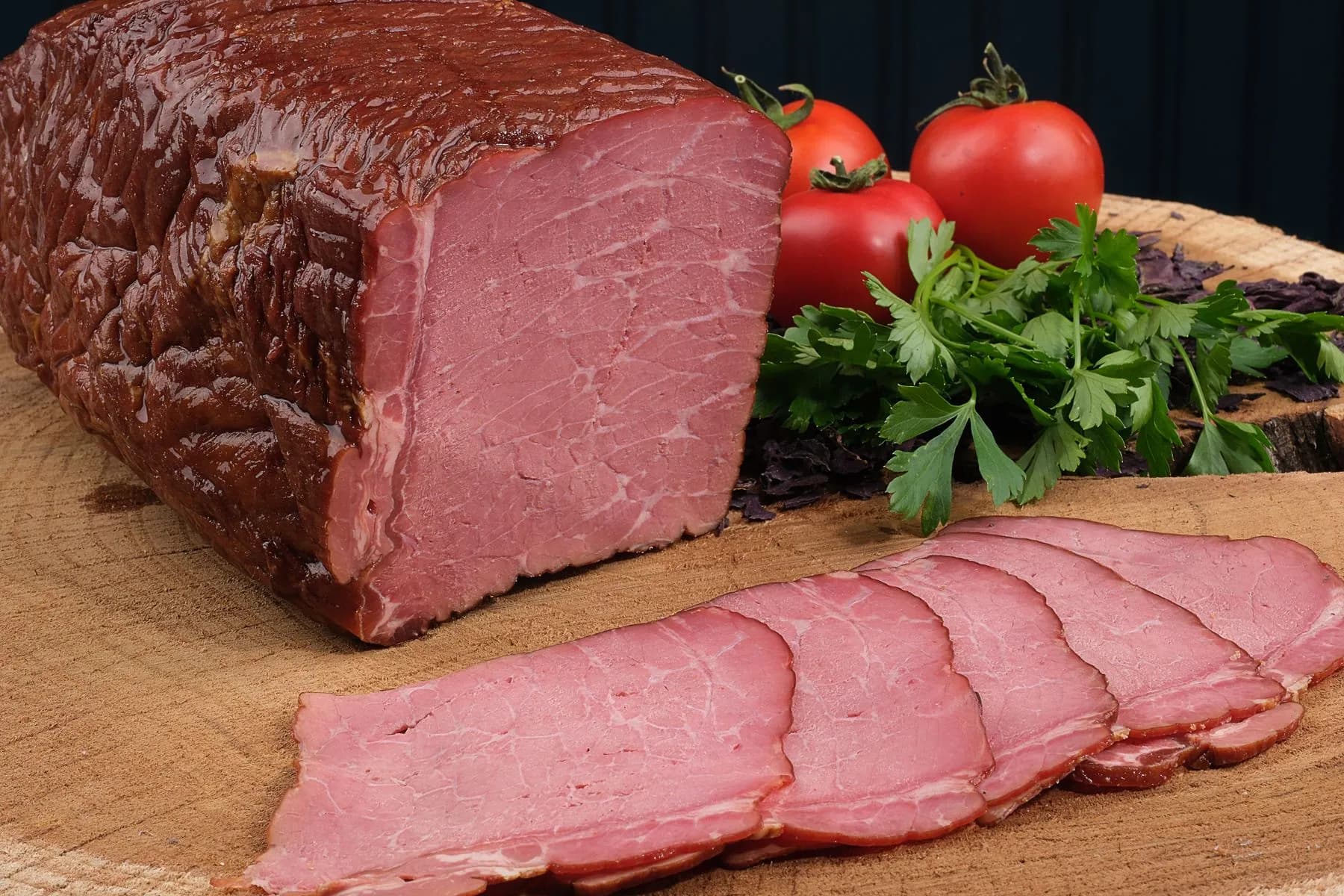
The most common mistake is buying a cut by the name in an American recipe and coming home from the butcher with something quite different. Before you light the fire, make sure the cut is the one the recipe calls for: Spanish beef brisket rarely comes with the fat cap a Texas brisket needs. You will find the equivalents in our guide to meat cuts in Spain and the target temperatures in the temperature and time chart. On the Costa Blanca, local lamb and Ibérico pork from a neighbourhood butcher have taught us the most.