Recipe · Direct · Easy
Chestnuts and Sweet Potato Roasted in the Kamado Embers
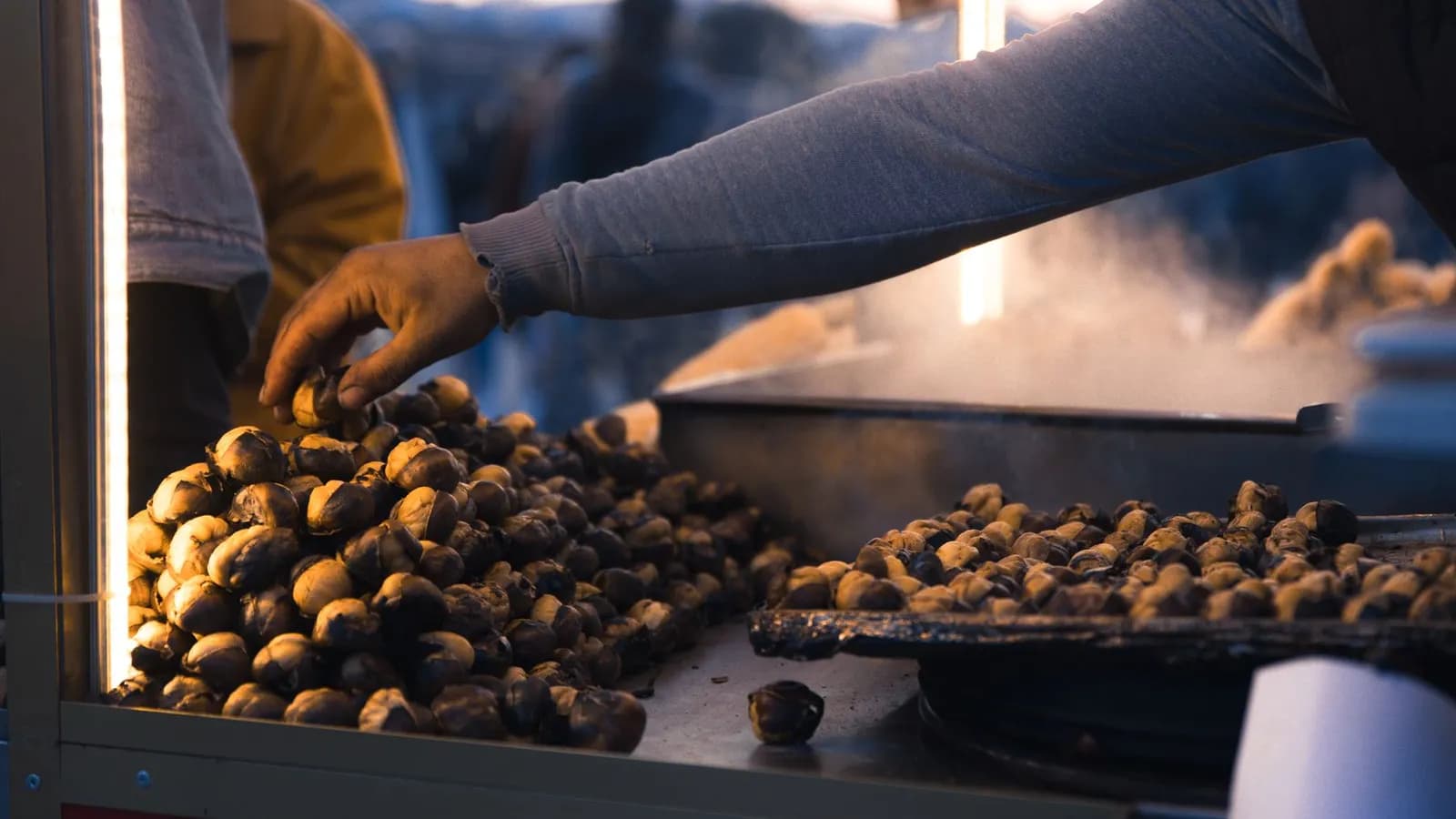
When the kamado has done its work and only spent embers and hot ash are left, a second cook begins: cross-scored chestnuts and whole sweet potatoes buried in the ash. The autumn snack that runs on heat you already paid for.
Quick answer
At the end of a long cook, once the kamado is down to around 180 °C, lift out the grate and deflector and level the spent embers into the ash. Score a cross in each chestnut. Bury the whole sweet potatoes for 20 minutes, add the chestnuts and rake the ash every 15 minutes: sweet potatoes take about 45 minutes, chestnuts 25.
- Prep
- 15 min
- Cook
- 45 min
- Servings
- 6 servings
- Temperature
- 180 °C
Ingredients
- fresh chestnuts, large and free of holes600 g
- medium sweet potatoes (200-250 g each)4 ud
- butter, at room temperature40 g
- extra virgin olive oil2 cda
- sweet Pimentón de la Vera1 cdta
- flaky sea salt1 cdta
- freshly ground black pepper1 pizca
- sprigs of fresh rosemary2 ud
- rosemary honey (optional, for the sweet potato)1 cda
- dry anise liqueur or young wine to serve (optional)50 ml
Method
- 01
Build the ember bed
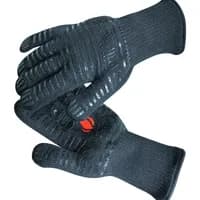
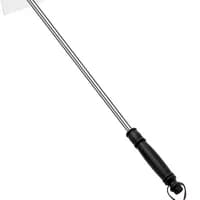
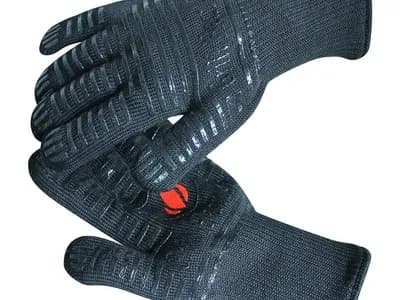
At the end of a long cook, once the dome drops to around 180 °C, put on your Grill Heat Aid gloves and lift out the grate and the deflector. With the Grilliance ash rake, spread the spent embers and ash into an even layer about five centimetres deep. Leave the bottom vent open a finger's width and the chimney nearly shut: you want steady heat, not flame.
- 02
Score the crosses
Wash the chestnuts and pat them dry. Sit each one on its flat face and, with a small serrated knife, cut a cross about two centimetres across the domed side, through the shell and the brown skin beneath without splitting the nut. Do not skip this: an unscored chestnut will burst in the embers. Soak them in warm water for ten minutes, then drain.
- 03
Bury the sweet potatoes
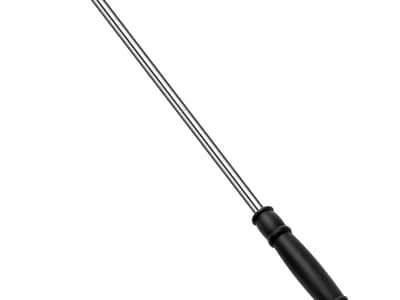
Wash the sweet potatoes, dry them and prick each one three or four times with a fork. Do not wrap them in foil: this is dry ash cooking, not steaming. Using the Rösle charcoal tongs, open a hollow and bury them completely under about three centimetres of hot ash, close to the live embers but not sitting on them. Close the lid and wait twenty minutes.
- 04
Add the chestnuts
Open the lid, rake a little ash aside and set the chestnuts cross side up, half buried in the bed. Scatter a pinch of salt over them and draw a thin layer of ash back over, leaving the crosses visible. Lay the rosemary sprigs on the embers and close the lid for another fifteen minutes.
- 05
Rake every fifteen minutes
Every fifteen minutes, open up and turn the ash over with the rake: that is what spreads the residual heat and stops the underside from scorching while the top cools. Take the chance to give each sweet potato a quarter turn with the tongs. The dome will drift from 180 down to 140 °C over the cook, and that is exactly right.
- 06
Check for doneness
At twenty-five minutes the chestnuts will have crosses peeled wide open and shells curling back: pull them out. The sweet potatoes need about forty-five minutes in total; they are ready when a skewer slides into the thickest part with no resistance at all. If it meets any, bury them again and give them ten more minutes.
- 07
Brush off and serve
Brush the ash off with a dry brush or a cloth, never water, which cakes it onto the skin. Wrap the chestnuts in a tea towel and peel them while hot. Split the sweet potatoes lengthways, crush the flesh with a fork and add butter or a thread of extra virgin olive oil, flaky salt, Pimentón de la Vera, black pepper and a few drops of honey. Serve with a finger of dry anise or young wine.
About this recipe
Valencia's Castanyada, Galicia's Magosto and the eve of All Saints all share the same pair of ingredients: chestnuts and sweet potato. What changes here is the fire. Instead of lighting a new one, this recipe uses the one that is already going out: the spent embers and hot ash sitting in the bottom of the kamado once the day's long cook is done.
The heat left over after you shut it down
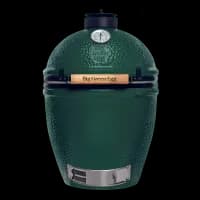
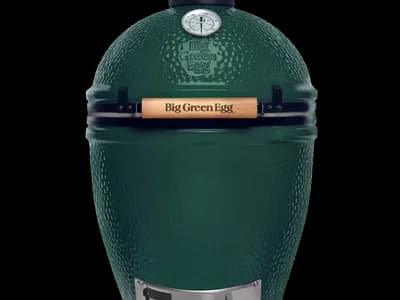
Ceramic does not cool down so much as empty out slowly. With the vents closed after a brisket, my Big Green Egg Large still reads close to 150 °C at the dome two hours later, and the ash bed underneath is considerably hotter than that. No steel barbecue holds heat like that: twenty minutes and it is stone cold. That surplus is energy you have already paid for, and it is enough for a whole afternoon's snack without adding a single lump of charcoal.
The cross is not decoration
There is water inside a chestnut, and heat turns it to steam. With the shell intact, the pressure eventually bursts it, scattering burning fragments around the firebox. A two-centimetre cross, cut with a small serrated knife and deep enough to go through both the shell and the brown skin beneath, gives that steam a way out. As a bonus, the cross opens up as it cooks and tells you at a glance when the chestnut is done.
Clean ash, clean flavour
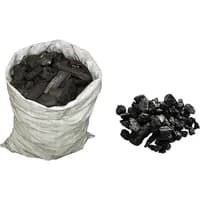
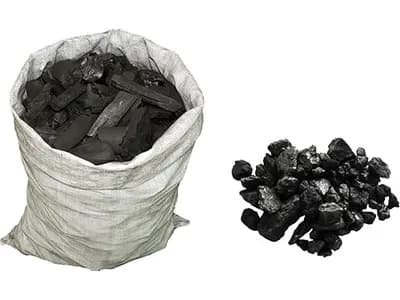
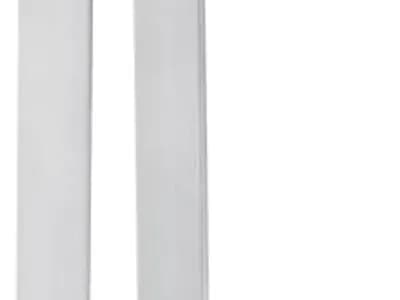
Here the food touches the ash, so what the ash is made of matters. Lump charcoal leaves a fine, neutral mineral residue; Orework Carbón de Encina Española gives exactly that kind of ash, plus dense embers that last. Avoid briquettes with binders and anything lit with fluid: that ash has no business against a sweet potato. To move the bed without raising a cloud, a Grilliance stainless steel ash rake; to go in and out of the embers, Rösle charcoal tongs and Grill Heat Aid gloves.
In 30 seconds
At the end of a long cook, with the kamado around 180 °C and falling, take out the grate and deflector. Cut a cross in each chestnut, bury the sweet potatoes in the hot ash for 20 minutes, add the chestnuts and rake the ash every 15 minutes. Sweet potatoes, 45 minutes; chestnuts, 25.
Editor's tips
- Pick chestnuts that feel heavy for their size, with taut shells and no holes; if in doubt, drop them in cold water, because the ones that float are dried out or already inhabited.
- Since the food touches the ash, use clean lump charcoal such as Orework Carbón de Encina Española, and never a fire lit with fluid or briquettes with binders.
- Sweet potatoes over 300 grams want sixty to seventy minutes; if you are in a hurry, halve them lengthways and bury them cut side up.
- Cold chestnuts are miserable to peel; if they cool down on the table, return them to the hot ash for thirty seconds before trying again.
Gear for this recipe
As an Amazon Associate, mikamado.es earns from qualifying purchases. At no extra cost to you.
FAQ
Why do chestnuts need a cross cut into them before roasting?
Because the water inside turns to steam and, with the shell intact, the pressure makes it explode inside the kamado. A two-centimetre cross cut through both the shell and the brown skin gives that steam a way out. The cross also opens up as the chestnut cooks, telling you at a glance that it is done.
Is it safe to cook straight on the ash in a kamado?
Yes, as long as the ash comes from clean lump charcoal and not from briquettes with binders or a fire lit with lighter fluid. Wood ash is an inert mineral residue, and both the chestnut and the sweet potato come with their own protective skin. Brush it off dry before serving; water only cakes it on.
How long does a whole sweet potato take in the embers?
A 200-250 gram sweet potato needs about forty-five minutes buried in hot ash, with the dome between 180 and 140 °C. One over 300 grams can stretch to seventy. The only reliable test is a skewer: it has to reach the centre without meeting any resistance at all.
Can you do this without a long cook beforehand?
Yes. Light a chimney of holm-oak lump charcoal, tip it into the firebox and let it burn until the embers are coated in grey ash, about forty minutes. Close the vents almost fully, wait for the dome to settle around 180 °C and follow the recipe as written. What you lose is the thrift, not the result.
How do you peel roasted chestnuts without burning your fingers?
Hot, and through a cloth. Wrap them in a tea towel the moment they come out and peel two at a time: while they hold their heat, shell and brown skin come away together if you pull from the arms of the cross. Once they cool, that skin welds to the flesh and the job triples.
More kamado recipes
Smoked Loaded Nachos on the Kamado
The ultimate sharing starter: layers of tortilla chips, melted cheese, beans and jalapeños in a cast-iron pan, kissed by 10-12 minutes of gentle olive-wood smoke and topped with fresh pico de gallo.

Grilled provolone on the kamado with tomato, oregano and olive oil, in a cast-iron skillet
Argentine-style provoleta over direct heat: a wheel of provolone in a cast-iron skillet at 230°C until you get a golden crust and a molten centre. Tomato, oregano, olive oil and bread. A starter in 12 minutes. Serves 4.
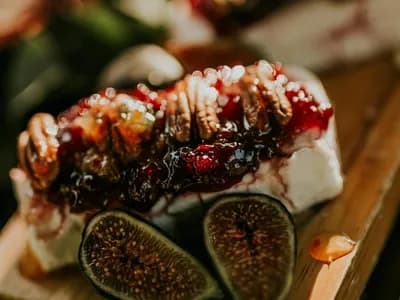
Kamado-roasted figs with goat cheese and honey
Figs scored into a cross, stuffed with melting goat cheese, glazed with honey and rosemary. Seven minutes over direct heat and you have the kamado's late-summer dessert.
KEEP READING
Go deeper on this dish
- Recommended kamado
Big Green Egg Large
The classic kamado that defined the category
- Editorial guide
How to light a kamado: the step-by-step method
No petrol, no weird tablets and no 45-minute waits. The cone method, airflow control and the mistakes that prevent 80% of the frustration.
- Glossary term
Heat deflector
Ceramic plate placed between the coals and the grate to turn direct fire into indirect cooking.
- Related comparison
big green egg large vs kamado joe classic iii
The classic kamado matchup: the Big Green Egg Large, the indestructible pioneer with the widest accessory network, agai…