Recipe · Direct · Easy
Vega Baja Artichokes Barbecued on the Kamado, with Garlic and Lemon
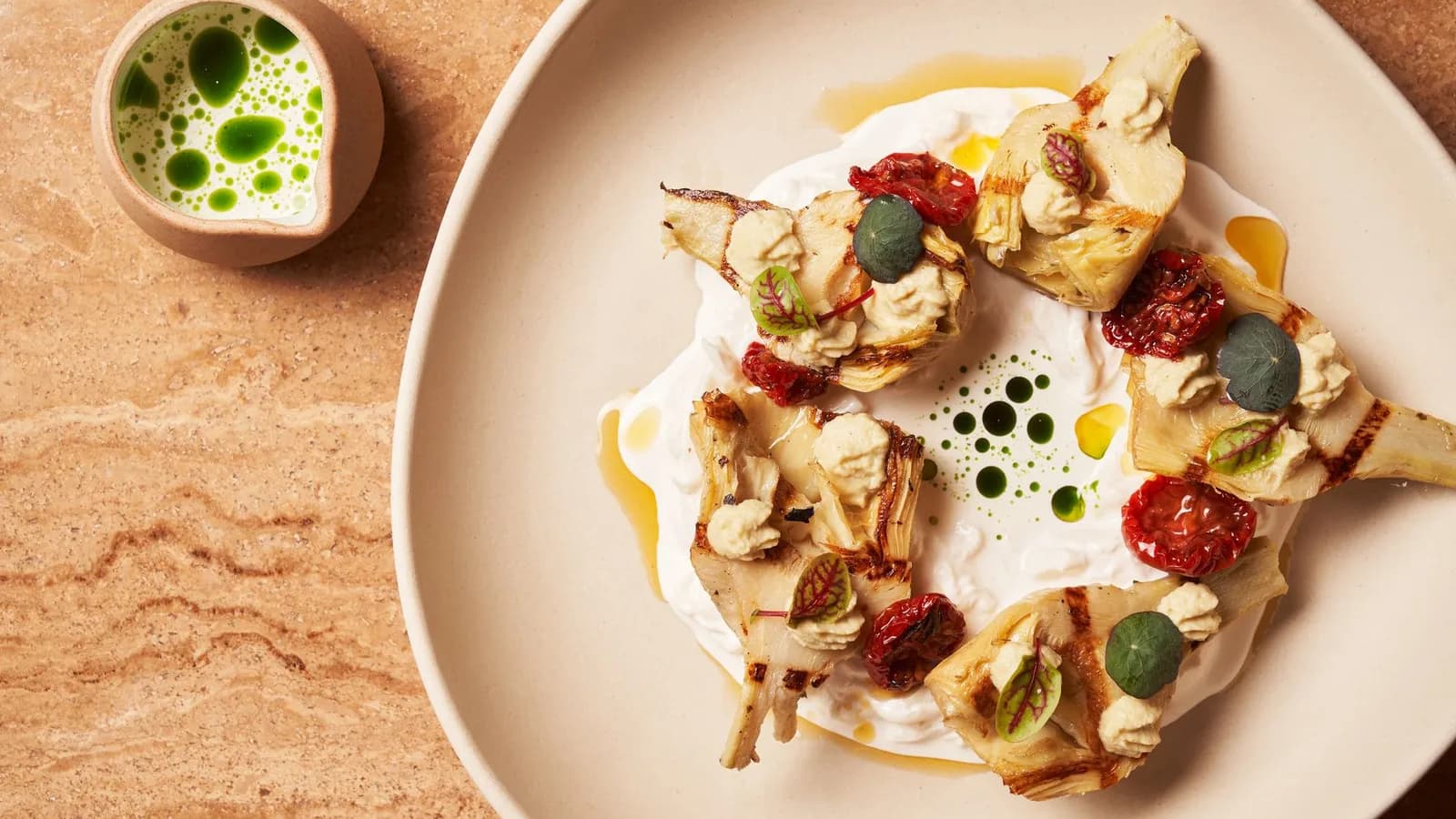
Vega Baja artichokes, halved: first cut-side down at 180 °C so they soften in their own steam, then opened out like a flower at 250 °C and brushed with garlic and lemon oil until the tips crisp.
Quick answer
Peel the artichokes down to the tender leaves, halve them, remove the choke and rub with lemon. Cook them cut-side down on the kamado at 180 °C with the lid closed for 25-35 minutes, until a paring knife slides into the heart without resistance. Open the vents to climb to 250 °C, spread the leaves, brush with garlic and lemon oil and toast for 4-8 minutes.
- Prep
- 30 min
- Cook
- 90 min
- Servings
- 4 servings
- Temperature
- 180 °C
Ingredients
- medium Vega Baja artichokes (about 1.5 kg)6 ud
- lemons2 ud
- cold water for the bowl1 l
- garlic cloves4 ud
- extra virgin olive oil80 ml
- coarse salt1 cdta
- ground black pepper0.5 cdta
- fresh parsley, chopped1 puñado
- flaky salt, to serve1 pizca
Method
- 01
Light to 180 °C
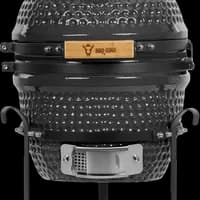
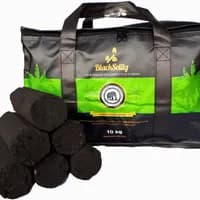
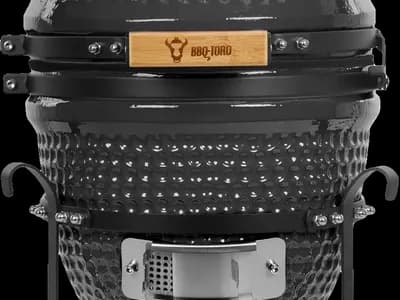
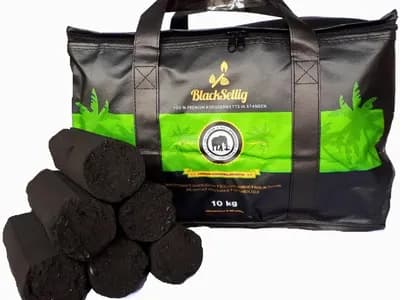
Fill the firebox of the BBQ-Toro Haiiro 32 halfway with BlackSellig coconut shell briquettes and light the bed in two spots. Leave the lid open for ten minutes, close it with the bottom vent open a finger's width and the chimney half open, and allow 20-25 minutes to settle at 180 °C on the lid thermometer. Put the grate in from the start so it heats up with the chamber.
- 02
Lemon water and tough leaves
Prepare a bowl with the litre of cold water and the juice of one lemon; keep the squeezed halves for rubbing. Tear the outer leaves off each artichoke, pulling downwards, until you reach the pale yellow ones that bend without snapping. Slice off the top third in one stroke with the paring knife, peel the stalk down to the white part leaving 3-4 cm, and rub every cut with the lemon as you go.
- 03
Halve and remove the choke
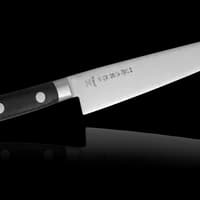
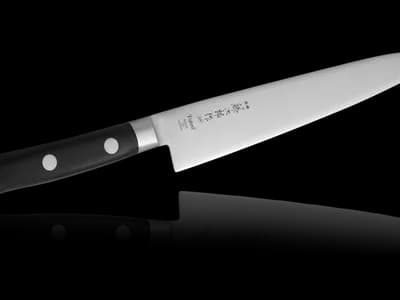
Halve each artichoke lengthways, from stalk to tip. In the centre sits the choke, a tuft of fine fibres over the heart: lift it out with the tip of the knife. A narrow paring knife such as the Tojiro DP F-802 takes it out without pulling away good leaf, though any sharp paring knife will do. Rub the heart with lemon and leave the halves in the water while you finish the rest. Drain them well before they go on the kamado.
- 04
Garlic and lemon oil
Crush the four garlic cloves with the coarse salt in a mortar until you have a paste. Add the zest of the second lemon, the juice of one of its halves, the pepper and the 80 ml of oil, and mix. Leave it at room temperature while the artichokes do their first stage: the oil takes on the garlic without cooking it. Save the parsley for the end; over the coals it burns in seconds.
- 05
First stage: cut-side down at 180 °C
Set the halves cut-side down on the grate, four to six per batch in a 32 cm kamado, and close the lid. Leave them at 180 °C for 25 to 35 minutes, opening only once to check. The test is the paring knife: if it slides into the heart without resistance, that half is ready; if it meets fibre, give it five more minutes. Move them to a tray, cover with a tea towel and repeat with the second batch.
- 06
Climb to 250 °C on the vents
With the second batch out, open the bottom vent and the chimney fully and keep the lid closed: the bed of briquettes gets air and the chamber climbs towards 250 °C. Do not add charcoal or stir the coals. When the thermometer reads 250 °C, bring the chimney back to half open and the bottom vent to two fingers so it stops climbing, then burp the lid: lift it five centimetres, wait two or three seconds and then open it fully, as the temperature guide explains.
- 07
Open like a flower and brush
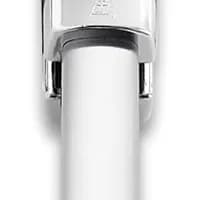
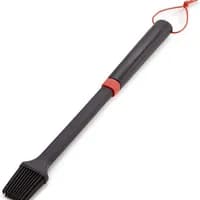
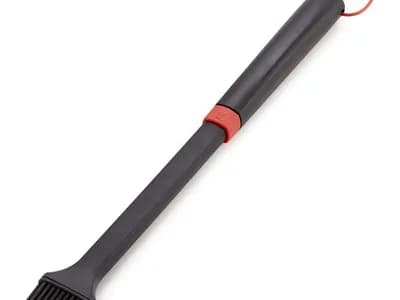
Return the first-batch halves to the grate, now cut-side up, and with the Weber Precision tongs ease the leaves outwards until each half opens like a flower. Brush heart and leaves with the garlic and lemon oil using the Weber silicone brush, without soaking them. Close the lid and leave for 4-8 minutes at 250 °C, until the tips crisp and the cut face browns. Repeat with the second batch.
- 08
Serve
Move the halves to a platter, brush again with whatever oil is left in the bowl, scatter the parsley and a few flakes of salt, and squeeze the rest of the lemon over the top. Eat from the outside in: the toasted leaves with your fingers, the heart with a fork. Serve hot or warm; cold, they lose their crispness. They go alongside a barbecued fish or on their own as a starter.
About this recipe
Half an hour from Torrevieja, in Almoradí, Dolores or Catral, the Vega Baja artichoke is harvested from November to April and fills the markets of the district all winter long. It is a fibrous vegetable, with a heart that needs time and leaves that char before that heart gives. The kamado solves both problems on a single grate: first it works as a humid oven at 180 °C, then as a roaster at 250 °C. No two charcoal zones, no boiling first, and a 32 cm kamado such as the BBQ-Toro Haiiro 32 is enough to get started.
Why the leaf's own steam softens the heart
On an open barbecue an artichoke dries out: the air carries off the moisture the leaves release and the tips burn while the centre stays hard. A closed kamado at 180 °C does the opposite. The thick ceramic lets little air through, and the steam escaping from the cut face and the leaves stays inside the chamber, around the vegetable. A half resting cut-side down on the grate works like a bell: heat enters through the cut, the artichoke's water turns to steam and the outer leaves hold it over the heart. It is the principle that runs through [the guide to what to cook in a kamado beyond meat](/guias/que-cocinar-kamado-ideas-mas-alla-carne), applied to a vegetable that is mostly water and fibre.
Peeling down to the tender leaf without it discolouring
An artichoke turns brown the moment you cut it: an enzyme in the plant itself reacts with oxygen in the air and darkens the surface within minutes. The acid in lemon slows that reaction, so the rule is simple: every cut is rubbed with half a lemon straight away, and the finished piece waits in cold water with lemon juice. Peeling means tearing off the outer leaves, green and tough, until you reach the pale yellow ones that bend without snapping; then you cut off the top third, peel the stalk down to the white part and halve the artichoke to lift the choke out of the centre with the tip of the knife. A narrow 15 cm paring knife such as the Tojiro DP F-802 reaches into the heart without taking any extra leaf with it; any well-sharpened paring knife does the same job, but a blunt edge crushes the fibre and leaves more torn tissue to darken.
Two temperatures, garlic and lemon at the end
In a 32 cm kamado there is no room for two charcoal zones, and none is needed. The recipe works on a ramp: first 180 °C with the lid closed, 25 to 35 minutes depending on size, until the paring knife slides into the heart without resistance; the knife sets the time, not the clock. Then the bottom vent and the chimney are opened fully, always with the lid closed, and the ceramic climbs towards 250 °C without adding charcoal. The grate of the Haiiro 32 holds four to six halves per batch: with six medium artichokes that is two batches in the steaming phase and two short passes in the toasting phase. Opening the lid at 250 °C is best done in two stages, five centimetres first and then fully, as [the kamado temperature and troubleshooting guide](/guias/kamado-temperatura-problemas-soluciones) explains. The garlic and lemon oil goes on in that second stage, not before: in steam the garlic will not brown, and brushed on at the start it spends half an hour at 180 °C pressed against the grate and burns before the artichoke is tender. The Weber Precision 46 cm tongs turn each half and spread the leaves like a flower without bringing your hand near the coals; the Weber silicone brush works the oil between the leaves without shedding bristles. Between 4 and 8 minutes later the tips crisp and the garlic smells toasted without turning bitter. BlackSellig coconut shell briquettes give even heat with little flame and no resin: the artichoke tastes of coals and lemon. For a fuller spread, the [seasonal vegetables roasted on the kamado](/recetas/verduras-temporada-asadas-kamado) use a different mix and pair well with these.
In 30 seconds
Six Vega Baja artichokes peeled to the tender leaf, halved, choke removed and rubbed with lemon. Cut-side down at 180 °C with the lid closed for 25-35 minutes, until a paring knife slides in without resistance. Vents open up to 250 °C, burp the lid on opening, leaves spread with the tongs, garlic and lemon oil brushed on and 4-8 minutes until the tips crisp. Four to six halves per batch in a 32 cm kamado.
Editor's tips
- Choose artichokes that are tight, heavy for their size and with closed leaves; if they squeak when you squeeze them, they are fresh. Ones with open, dry tips were cut days ago and the heart will come out fibrous however much steam you give them.
- Do not try to fit all twelve halves at once into a 32 cm kamado: the ones sitting over the edge get uneven heat and loose leaves drop onto the coals. Two batches of six, or three of four if they are large, take little longer and come out the same.
- The peeled stalks cook just like the halves: split them lengthways, rub with lemon and slot them into the gaps between the halves or give them a short batch of their own. They are an extension of the heart and usually end up in the bin.
- If the garlic in the oil darkens over the coals, the kamado went past 250 °C or the mix had too much juice. Close the chimney a little further, take the halves out a couple of minutes early and finish brushing on the platter.
Gear for this recipe
As an Amazon Associate, mikamado.es earns from qualifying purchases. At no extra cost to you.
FAQ
How long does a barbecued artichoke take?
It depends on the size and on whether it goes on whole or halved. Half a medium artichoke needs 25 to 35 minutes at 180 °C with the kamado lid closed for the heart to give, then 4-8 minutes at 250 °C to toast the tips. The clock is only a guide: the reliable test is to pierce the heart with a paring knife, and when it slides in without resistance the artichoke is done.
Do artichokes need boiling before they go on the barbecue?
Not in a kamado. With the lid closed at 180 °C the chamber holds the moisture the artichoke itself releases and the heart softens with no added water. On an open barbecue it is worth boiling them for 10-12 minutes first, because the air dries the leaves before the centre is tender. If you boil them anyway, shorten the first stage to 10-15 minutes and keep checking with the paring knife.
Why do artichokes turn black when cut, and how do you stop it?
Cutting breaks cells, and an enzyme in the artichoke reacts with oxygen in the air, darkening the surface within a few minutes. Acid slows that reaction: rub every cut with half a lemon straight away and leave the finished pieces in cold water with lemon juice until it is time to cook. A sharp knife helps, because it cuts without crushing the fibre and leaves less torn tissue exposed.
When is Vega Baja artichoke season?
From November to April, with the bulk of the harvest in the depths of winter. It is grown in the huerta (market-garden plain) of the Bajo Segura, in towns such as Almoradí, Dolores, Catral or Callosa de Segura, half an hour from Torrevieja, and in season you will find it at any market in the district. Outside those months the local supply disappears, and it is better to switch vegetable than to cook a cold-stored artichoke.
Can you barbecue artichokes in a small kamado?
Yes, and this recipe is designed for a 32 cm one such as the BBQ-Toro Haiiro 32. The only limit is the number of halves per batch: between four and six depending on size. The technique does not change, because it uses two temperatures in sequence, 180 °C and then 250 °C, rather than two charcoal zones, and any kamado reaches the second by opening the vents with the lid closed.
More kamado recipes

Whole roasted cauliflower on the kamado with saffron aioli
A whole cauliflower roasted indirect at 180°C: steam first to tame the core, then a deep sear and a spiced glaze. Golden outside, tender inside, with saffron aioli. Serves 4.
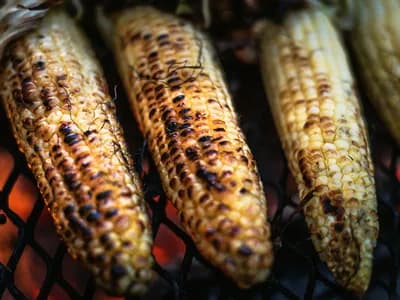
Grilled Corn Mexican Elote Style on the Kamado
Cobs charred over direct fire, slathered with lime mayo, cotija cheese, chili and cilantro. Got leftovers? Strip the kernels and turn them into cups of esquites.
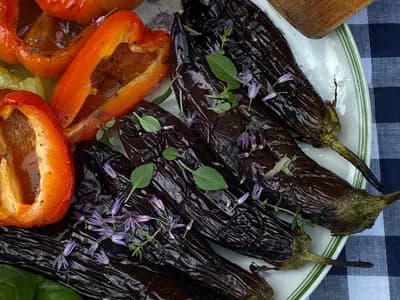
Kamado escalivada with smoked peppers and aubergine
Red pepper, aubergine and onion roasted whole over live coals until the skin chars black, then peeled and dressed with nothing but extra-virgin olive oil and flaky salt.
KEEP READING
Go deeper on this dish
- Recommended kamado
BBQ-Toro Haiiro 32 cm
Mini ceramic kamado with crackle glaze and bamboo
- Editorial guide
How to light a kamado: the step-by-step method
No petrol, no weird tablets and no 45-minute waits. The cone method, airflow control and the mistakes that prevent 80% of the frustration.
- Glossary term
Heat deflector
Ceramic plate placed between the coals and the grate to turn direct fire into indirect cooking.
- Related comparison
big green egg large vs kamado joe classic iii
The classic kamado matchup: the Big Green Egg Large, the indestructible pioneer with the widest accessory network, agai…